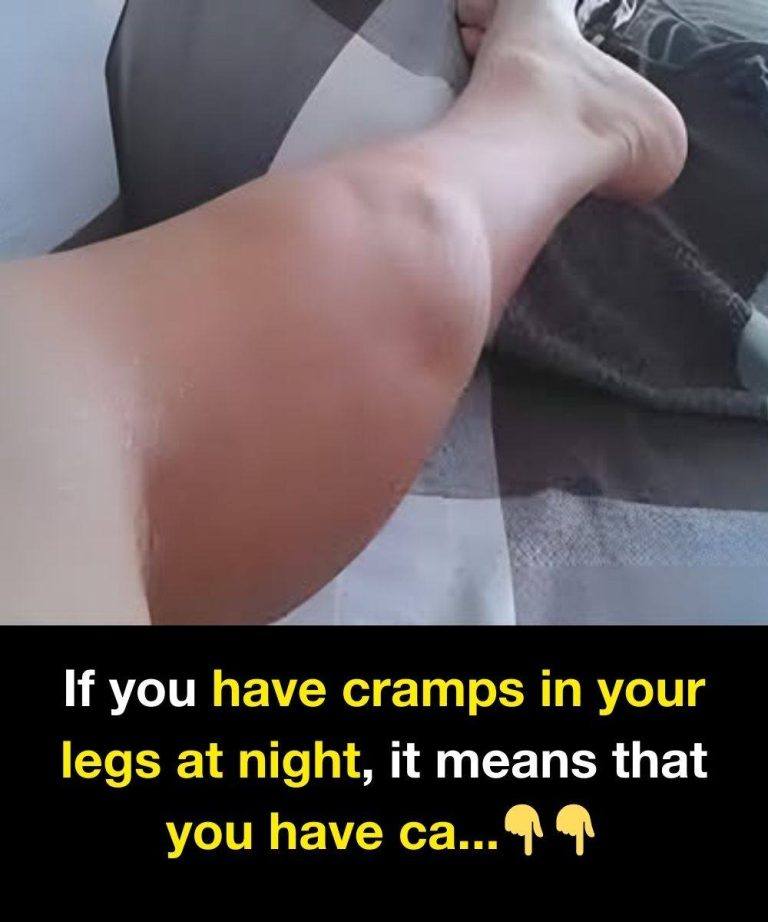
Who Is Most at Risk of Night Cramps? (And What Your Body Might Be Trying to Tell You)
Discover who is most at risk of night cramps, why they happen, and how to prevent them with simple, expert-backed tips for better sleep and muscle health.
It’s the middle of the night.
You’re deep asleep… until suddenly, a sharp, tightening pain grips your leg. Your calf hardens like stone. You sit up, trying to stretch it out, waiting for the pain to fade.
If you’ve experienced this, you know how intense—and frustrating—night cramps can be.
For some people, it happens once in a while. For others, it becomes a recurring problem that disrupts sleep and leaves muscles sore the next day.
So why does it happen? And more importantly—who is most at risk?
Understanding the patterns behind night cramps can help you prevent them before they strike.
What Are Night Cramps?
Night cramps—often called Nocturnal leg cramps—are sudden, involuntary muscle contractions that typically occur in the legs during sleep.
They most commonly affect:
- Calf muscles
- Feet
- Thighs
Unlike restless leg syndrome, these cramps are painful and can last from a few seconds to several minutes.
Why Night Cramps Happen
The exact cause isn’t always clear, but several factors can contribute:
- Muscle fatigue
- Nerve dysfunction
- Dehydration
- Mineral imbalances
In many cases, it’s a combination of these factors—not just one.
Who Is Most at Risk?
1. Adults Over 50
As we age, muscle function naturally changes.
Why risk increases:
- Muscle loss over time
- Reduced circulation
- Changes in nerve function
Studies referenced by the National Institutes of Health suggest night cramps become more common with age.
2. Pregnant Women
Night cramps are especially common during pregnancy—particularly in the second and third trimesters.
Possible reasons:
- Increased weight on muscles
- Changes in circulation
- Shifts in mineral levels
3. People Who Are Dehydrated
Not drinking enough fluids can disrupt muscle function.
Signs you may be at risk:
- Dry mouth
- Fatigue
- Dark urine
Even mild dehydration can trigger cramps.
4. Those with Mineral Imbalances
Electrolytes play a key role in muscle contraction.
Important minerals include:
- Magnesium
- Potassium
- Calcium
Low levels can increase the likelihood of cramping.
5. Athletes and Physically Active Individuals
Overworked muscles are more prone to cramping—especially at night.
Common triggers:
- Intense workouts
- Lack of stretching
- Muscle fatigue
6. People Who Sit or Stand for Long Periods
Staying in one position for too long can affect blood flow and muscle activity.
Examples:
- Office workers
- Drivers
- Retail workers
7. Individuals Taking Certain Medications
Some medications may increase the risk of cramps, including:
- Diuretics
- Statins
- Certain blood pressure medications
Always consult a healthcare provider if you suspect a link.
8. People with Underlying Health Conditions
Certain conditions are linked to a higher risk of night cramps:
- Diabetes
- Peripheral artery disease
- Chronic kidney disease
These conditions can affect nerves, circulation, or mineral balance.
9. Poor Sleep Position
Sleeping with feet pointed downward can shorten calf muscles, making cramps more likely.
10. Lack of Stretching or Mobility
Tight muscles are more prone to sudden contractions.
Regular stretching can significantly reduce risk.
Real-Life Scenario
A 55-year-old office worker began experiencing nightly calf cramps.
After reviewing habits, they realized:
- Long hours sitting
- Minimal hydration
- No stretching routine
With small changes—hydration, stretching, and movement—the cramps reduced significantly.
How to Prevent Night Cramps
1. Stay Hydrated
Drink enough water throughout the day.
2. Stretch Before Bed
Focus on calves and hamstrings.
3. Maintain Balanced Nutrition
Ensure adequate intake of key minerals.
4. Adjust Sleep Position
Keep feet in a neutral position.
5. Stay Active
Regular movement improves circulation and muscle health.
What to Do When a Cramp Happens
- Gently stretch the muscle
- Massage the area
- Apply warmth
- Walk slowly if possible
Pros and Cons of Common Prevention Strategies
| Strategy | Benefit | Limitation |
|---|---|---|
| Hydration | Easy and effective | Requires consistency |
| Stretching | Reduces muscle tightness | Needs routine |
| Supplements | May correct deficiencies | Should be guided by a professional |
| Exercise | Improves overall health | Overdoing it can trigger cramps |
Common Mistakes to Avoid
- ❌ Ignoring frequent cramps
- ❌ Skipping hydration
- ❌ Overtraining muscles
- ❌ Relying only on quick fixes
Expert Tips Most People Don’t Know
- Light activity before bed can reduce cramp risk
- Warm showers may help relax muscles
- Foot positioning during sleep matters more than you think
Research from Mayo Clinic highlights the importance of lifestyle factors in managing night cramps.
FAQs
1. Are night cramps dangerous?
Usually not, but frequent cramps may signal an underlying issue.
2. How long do they last?
From a few seconds to several minutes.
3. Can dehydration really cause cramps?
Yes—even mild dehydration can contribute.
4. Do bananas help?
They provide potassium, which may help in some cases.
5. Should I take magnesium?
It may help, but consult a healthcare provider first.
6. Why do cramps happen at night?
Muscle relaxation and reduced movement can trigger them.
7. When should I see a doctor?
If cramps are frequent, severe, or worsening.
Action Checklist
✔ Stay hydrated daily
✔ Stretch before bed
✔ Monitor diet and mineral intake
✔ Stay active
✔ Seek medical advice if needed
Night cramps may feel sudden—but they’re rarely random.
They’re often your body’s way of signaling imbalance, fatigue, or something that needs attention.
The good news? Most causes are manageable with simple, consistent habits.
Night cramps are common—but understanding your risk factors is the key to preventing them and sleeping more comfortably.
If night cramps have been interrupting your sleep, start with small changes tonight.
Stretch. Hydrate. Pay attention.
And if this helped you, share it with someone who might be waking up to the same problem.