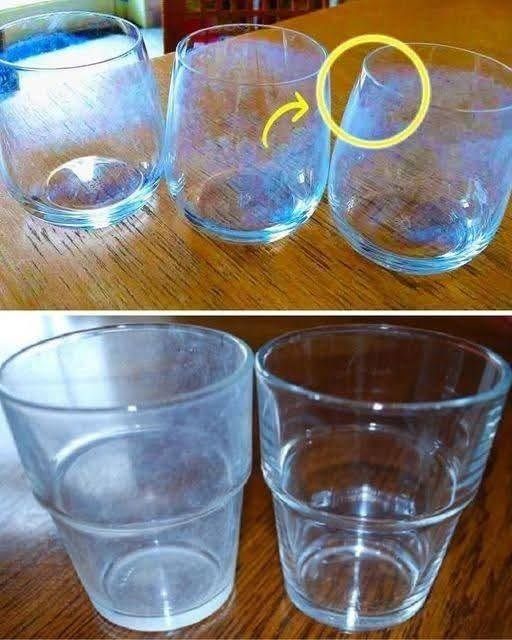
Here’s How to Remove White Patina from Glasses and Make Them Shine Again with a Simple, Cool Trick
Learn how to remove white cloudy film (patina) from glasses and restore sparkle using easy home methods that actually work.
That Frustrating White Film on Your Glasses Is More Common Than You Think
You take a glass out of the cabinet, expecting it to shine clean and clear.
Instead, you see it:
- Cloudy
- Dull
- Covered with a white haze that won’t wipe off
No matter how much you wash it, that stubborn film just stays there.
This is called white patina (or glass cloudiness), and it’s one of the most common household glass problems in the United States — especially in areas with hard water.
The good news?
👉 It’s not permanent
👉 It’s fixable at home
👉 And you don’t need expensive cleaners
Let’s break it down in a simple, practical way.
What Exactly Is White Patina on Glass?
White patina is a thin, chalky film that forms on glass surfaces over time.
It’s usually caused by:
- Hard water minerals (calcium and magnesium)
- Dishwasher residue
- Soap buildup
- Improper rinsing or drying
Instead of being “dirt,” it’s actually mineral deposits bonded to the glass surface.
That’s why regular washing doesn’t remove it.
Why It Happens More in the United States
In many parts of the U.S., especially regions like:
- The Midwest
- Southwest
- California
water is naturally “hard,” meaning it contains high levels of dissolved minerals.
When water evaporates from glass:
👉 Minerals are left behind
👉 Layer builds up over time
👉 Glass becomes cloudy and dull
Dishwashers can make it worse if rinse aid is not used properly.
The Good News: You Can Reverse It at Home
White patina is not permanent damage.
It can be removed using mild acids and gentle abrasion that break down mineral deposits without harming the glass.
Below are the most effective methods.
🧼 Method 1: The Vinegar Soak Trick (Most Effective Home Solution)
This is the most trusted DIY method used in households and cleaning communities.
What you need:
- White vinegar
- Warm water
- A bowl or sink
Steps:
- Fill a bowl with equal parts white vinegar and warm water
- Soak the cloudy glasses for 30–60 minutes
- Gently scrub with a soft sponge
- Rinse with clean water
- Dry with a microfiber cloth
Why it works:
Vinegar is acidic, which helps dissolve:
- Calcium deposits
- Mineral buildup
- Soap residue
✨ Result:
Glasses usually regain clarity after one soak.
🍋 Method 2: Lemon and Baking Soda Polish (Natural Shine Booster)
This method is slightly more abrasive but very effective for stubborn stains.
What you need:
- Lemon juice
- Baking soda
Steps:
- Sprinkle baking soda on the glass surface
- Rub gently with half a lemon
- Let it sit for 5–10 minutes
- Rinse thoroughly
- Dry immediately
Why it works:
- Lemon breaks down mineral buildup
- Baking soda gently scrubs the surface
✨ Result:
Restores shine and removes stubborn cloudiness.
🧽 Method 3: Dishwasher Reset (For Machine-Washed Glasses)
If the patina comes from dishwashers:
Try this:
- Run an empty hot cycle with vinegar
- Add a cup of white vinegar in the top rack
- Clean filter and rinse aid compartment
This removes internal mineral buildup in the machine itself.
⚡ The “Cool Trick” Most People Don’t Know (Quick Fix Method)
Here’s the simple trick many people swear by:
👉 Steam + Vinegar wipe
Steps:
- Boil water in a pot
- Hold glass above steam for 30–60 seconds
- Wipe immediately with vinegar-soaked cloth
- Buff dry with microfiber cloth
Why it works:
- Steam softens mineral layers
- Vinegar dissolves them instantly
- Heat speeds up cleaning reaction
✨ Result:
Fast shine restoration in minutes.
Common Mistakes People Make
❌ Using steel wool or harsh scrubbers
Can permanently scratch glass.
❌ Using cold water only
Does not break mineral bonds.
❌ Ignoring drying step
Air drying causes new water spots.
❌ Overusing dishwashing detergent
Can leave soap film that worsens cloudiness.
How to Prevent White Patina From Coming Back
Once your glasses are clean, prevention is key.
✔ Use rinse aid in dishwasher
Prevents mineral spots.
✔ Dry immediately after washing
Don’t let water evaporate naturally.
✔ Use filtered water (if possible)
Reduces mineral buildup.
✔ Clean dishwasher regularly
Prevents internal residue transfer.
✔ Avoid overcrowding glasses
Ensures proper rinsing and drying.
Real-Life Example: Why It Happens in Most Homes
A typical scenario:
- Glasses are washed daily in dishwasher
- Hard water leaves invisible mineral residue
- Over weeks, layers build up
- Glass slowly turns cloudy
Most people assume the glass is “ruined,” but in reality:
👉 It’s just buildup — not damage
Expert Insight: What Glass Science Tells Us
Glass is non-porous, meaning:
- It doesn’t absorb stains
- It only gets surface buildup
This is why white patina can almost always be removed.
However:
- Long-term neglect can cause “etching”
- Etching is permanent surface damage from minerals
That’s why early cleaning matters.
Frequently Asked Questions
1. What causes white film on glasses?
Hard water minerals, detergent residue, and soap buildup.
2. Can vinegar damage glass?
No, vinegar is safe for glass when used properly.
3. Why do glasses look cloudy after dishwasher use?
Usually due to hard water or lack of rinse aid.
4. Can white patina be permanent?
Only if it becomes etching from long-term neglect.
5. What is the fastest way to clean cloudy glasses?
Vinegar soak or steam + wipe method.
6. Does baking soda scratch glass?
No, it is mildly abrasive but safe when used gently.
7. How often should I clean glasses deeply?
Once every few weeks if you notice cloudiness.
8. Is bottled water better for washing glass?
Yes, if your tap water is very hard.
9. Can I use lemon alone?
Yes, but it works best combined with gentle scrubbing.
10. Why do some glasses stay cloudy after cleaning?
They may have etching instead of surface buildup.
Final Thoughts: Your Glasses Are Not Ruined — Just Dirty in a Different Way
White patina looks permanent, but it’s actually one of the easiest household problems to fix.
Once you understand what causes it, you realize:
👉 It’s not damage
👉 It’s not wear and tear
👉 It’s just mineral buildup waiting to be removed
With simple ingredients like vinegar, lemon, and a little technique, you can restore clarity and shine in minutes.
White patina on glasses is caused by mineral buildup from hard water and detergent residue. It can be easily removed using vinegar, lemon-based cleaning, or steam methods, and prevented with proper drying and dishwasher care.