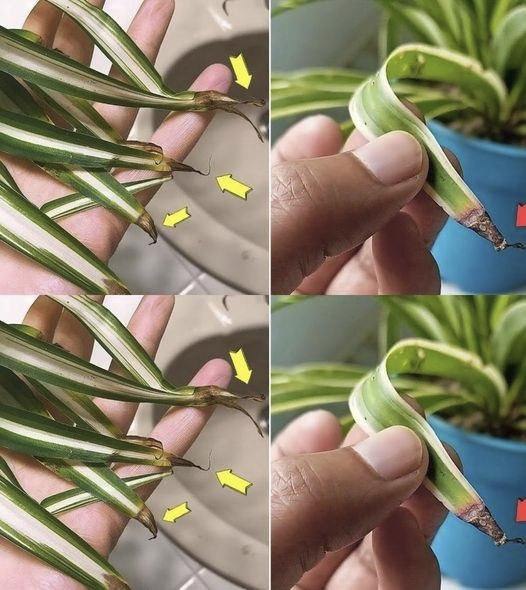
Why Do the Tips of Herbaceous Plants Turn Brown? Causes, Fixes, and What Your Plant Is Trying to Tell You
Discover why herbaceous plant tips turn brown, from watering mistakes to nutrients, pests, and environment stress—and how to fix it naturally.
When Green Leaves Start Turning Brown at the Edges, It’s Not Random
If you’ve ever looked at your garden or indoor plants and noticed the tips of leaves turning brown, it can feel frustrating.
Everything was green… and then suddenly, the edges start drying out, curling, or becoming brittle.
This is especially common in herbaceous plants—plants with soft, non-woody stems like basil, mint, spinach, hostas, and many flowering ornamentals.
But here’s the key idea:
👉 Brown leaf tips are not a disease by themselves — they are a symptom of stress
Your plant is essentially signaling that something in its environment is off balance.
Let’s break down the real causes in a clear, practical way.
What Are Herbaceous Plants (Quick Overview)
Herbaceous plants are plants that:
- Have soft stems (not woody like trees)
- Grow and die back seasonally in many cases
- Focus energy on leaves and fast growth
Examples include:
- Basil
- Mint
- Lettuce
- Marigolds
- Ferns
- Hostas
- Many vegetables and herbs
Because they grow quickly and have soft tissue, they are more sensitive to environmental changes than woody plants.
The Most Common Reason: Water Stress
Water issues are the #1 cause of brown leaf tips.
But here’s the surprising part:
👉 BOTH too much water and too little water can cause the same symptom.
💧 Underwatering (Too Dry)
When the plant doesn’t get enough water:
- Leaf tips dry out first
- Edges turn brown and crispy
- Leaves may curl inward
- Growth slows down
This happens because the plant prioritizes survival over leaf health.
💦 Overwatering (Too Much Water)
Yes, overwatering can also cause browning.
When soil stays too wet:
- Roots cannot breathe properly
- Root rot may begin
- Nutrient uptake is disrupted
- Leaf tips start browning due to internal stress
🌿 Simple Check:
- Soil dry 2–3 cm down → likely underwatering
- Soil constantly wet or soggy → likely overwatering
Fertilizer Burn: A Hidden but Common Cause
One of the most overlooked reasons for brown tips is over-fertilization.
Plants need nutrients — but too much becomes toxic.
What happens:
- Salt builds up in soil
- Roots get irritated
- Water absorption becomes harder
- Leaf tips burn first
Signs of fertilizer burn:
- Brown, dry leaf edges
- White crust on soil surface
- Sudden change after feeding fertilizer
Low Humidity Stress (Very Common Indoors)
Indoor herbaceous plants often suffer from dry air, especially in:
- Air-conditioned rooms
- Heated homes in winter
- Dry climates
What low humidity does:
- Moisture evaporates too quickly from leaves
- Tips dry out faster than plant can replace water
- Brown edges appear gradually
Plants like ferns and herbs are especially sensitive.
Sunburn or Excess Light Exposure
Yes — plants can get sunburned too.
When this happens:
- Sudden exposure to strong direct sunlight
- Moving indoor plants outdoors too quickly
- Heat reflecting off surfaces
Symptoms:
- Brown or bleached leaf tips
- Dry patches on leaves
- Scorched appearance on edges
Poor Soil Health or Nutrient Imbalance
Plants rely on balanced nutrients like:
- Nitrogen
- Potassium
- Magnesium
- Calcium
Imbalances can cause:
- Weak leaf structure
- Edge browning
- Slow growth
For example:
- Low potassium → leaf edges turn brown
- Calcium deficiency → new growth gets damaged first
Salt Build-Up in Soil (Silent Problem)
Over time, minerals from:
- Tap water
- Fertilizers
can accumulate in soil.
This creates salt stress, which:
- Pulls moisture away from roots
- Damages delicate leaf edges first
Root Problems (Often Missed)
If roots are damaged, the plant cannot support healthy leaves.
Causes include:
- Root rot
- Compact soil
- Poor drainage
- Pests underground
When roots struggle, leaves show the first visible symptoms — especially tips and edges.
Pest Damage (Less Common but Possible)
Certain pests affect leaf health indirectly:
- Spider mites
- Aphids
- Thrips
They weaken the plant by feeding on sap, leading to:
- Weak leaves
- Browning edges
- Stunted growth
Environmental Shock (Sudden Changes)
Plants dislike sudden change.
Examples:
- Moving plant from shade to full sun
- Changing watering routine abruptly
- Temperature fluctuations
This stress often shows up first at the leaf tips.
How to Fix Brown Leaf Tips (Practical Steps)
✔ Step 1: Check watering habits
Adjust based on soil moisture, not guesswork.
✔ Step 2: Flush soil if over-fertilized
Run clean water through soil to remove excess salts.
✔ Step 3: Improve humidity (for indoor plants)
- Mist leaves lightly
- Use a humidity tray
- Group plants together
✔ Step 4: Move plant to stable light
Avoid sudden exposure to harsh sunlight.
✔ Step 5: Trim damaged tips (optional)
Brown areas won’t turn green again, but trimming improves appearance.
Real-Life Example: What Usually Happens in Homes
A common scenario:
- Plant is placed near a window
- Watering is irregular
- Fertilizer is added “just in case”
- Indoor air is dry from AC
After a few weeks:
👉 Leaf tips begin turning brown
It’s rarely one cause — it’s usually a combination of small stresses building up.
Common Mistakes Plant Owners Make
❌ Watering on a fixed schedule
Plants don’t follow calendars — they respond to soil conditions.
❌ Over-fertilizing to “fix growth”
More nutrients ≠ healthier plants.
❌ Ignoring humidity indoors
Especially important for herbs and tropical plants.
❌ Not checking soil drainage
Poor drainage leads to hidden root stress.
Expert Insight: What Plant Science Suggests
According to plant physiology research:
- Leaf tip browning is often linked to water transport disruption
- Stress affects the outer edges first because they are farthest from nutrient supply routes
- Recovery depends on correcting root and environment conditions, not just leaf treatment
In simple terms:
👉 Fix the environment, not just the symptom.
Can Brown Leaf Tips Be Reversed?
No — the damaged tissue will not turn green again.
But the good news is:
✔ New growth can be healthy again
✔ Damage can stop spreading
✔ Plant can fully recover with correct care
Frequently Asked Questions
1. Why do only the tips of leaves turn brown?
Because tips are the most sensitive part and show stress first.
2. Is it overwatering or underwatering?
It can be both — check soil moisture to confirm.
3. Can fertilizer cause brown tips?
Yes, excess fertilizer can burn leaf edges.
4. Should I cut brown leaf tips off?
Yes, if you want a cleaner appearance, but it won’t fix the cause.
5. Can humidity affect plant health?
Absolutely, especially for indoor herbaceous plants.
6. Are brown leaf tips a disease?
No, they are a symptom of environmental or nutritional stress.
7. Will the plant die if tips are brown?
Not necessarily — many plants recover fully.
8. How do I prevent it?
Balanced watering, proper light, and correct fertilization.
9. Do all plants show this symptom?
Most herbaceous plants do, especially sensitive species.
10. Can tap water cause brown tips?
Yes, high salt or chlorine content can contribute over time.
Final Thoughts: Your Plant Is Communicating With You
Brown leaf tips are not a failure — they are feedback.
Your plant is simply telling you:
- “I need more balance”
- “Something in my environment is off”
- “Adjust my care, not just my appearance”
Once you understand the cause, fixing it becomes much easier than it first seems.
Plants don’t need perfection — they need consistency.
Herbaceous plant leaf tips turn brown mainly due to water stress, fertilizer imbalance, low humidity, or environmental shock. The key to recovery is not treating the leaf itself, but correcting the underlying growing conditions so new healthy growth can emerge.