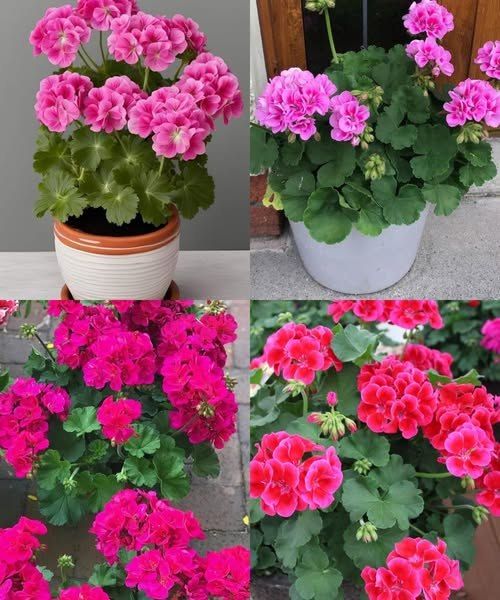
5 Simple Secrets to Keep Geraniums Flowering From Spring to Fall (Without Fancy Gardening Tricks)
Learn 5 easy, practical secrets to keep geraniums blooming beautifully from spring through fall with simple care, feeding, and pruning tips.
5 Simple Secrets to Keep Geraniums Flowering From Spring to Fall
Geraniums are one of those plants that quietly reward consistency.
Give them the right conditions, and they’ll bloom almost nonstop from spring through fall. Ignore a few basics, and they’ll shift into survival mode—green leaves, fewer flowers, and a lot of frustration.
The good news? You don’t need advanced gardening skills or expensive products. Most successful geranium growers in the United States rely on a few simple habits that make all the difference.
If your geraniums have ever slowed down halfway through the season, these five practical secrets will help you turn things around and keep them blooming longer, fuller, and brighter.
1. Give Them Full Sun (But Not Neglect)
Geraniums are sun-loving plants. This is the foundation of consistent flowering.
What they need:
- At least 6–8 hours of direct sunlight daily
- Morning sun is especially beneficial
- Light afternoon shade in extremely hot climates (southern U.S. states)
Why this matters:
Sunlight fuels flower production. Without enough light, geraniums focus on leaf growth instead of blooms.
Common mistake:
Placing them in “bright shade” and expecting constant flowers.
Simple fix:
If your geraniums are indoors or on a balcony, rotate pots every few days so all sides get equal sunlight exposure.
2. Deadhead Regularly (This Is the Secret Most People Skip)
If there’s one habit that dramatically extends flowering, it’s this:
Remove spent blooms consistently.
What deadheading does:
- Prevents seed formation
- Signals the plant to produce new flowers
- Keeps the plant looking clean and healthy
How to do it:
- Pinch or snip off faded flower clusters at the base
- Do it once or twice a week during peak blooming season
Why it works:
Plants have one goal: reproduction. If they’re allowed to form seeds, they reduce flower production. Deadheading tricks them into “trying again.”
3. Don’t Overwater (Geraniums Hate Constant Moisture)
One of the most common geranium killers is not drought—but too much water.
Ideal watering pattern:
- Water when the top 1–2 inches of soil feel dry
- Deep watering is better than frequent light watering
- Ensure pots have drainage holes
Signs of overwatering:
- Yellowing leaves
- Drooping despite wet soil
- Fewer flowers
Why this matters:
Geraniums are native to relatively dry climates. Constant moisture stresses the roots and reduces blooming.
Simple rule:
“Dry slightly, then water deeply.”
4. Feed Lightly but Consistently
Geraniums are not heavy feeders, but they do need steady nutrition to keep blooming.
Best feeding approach:
- Use a balanced liquid fertilizer (like 10-10-10) every 2–4 weeks
- Or use a slow-release fertilizer at the start of the season
What to avoid:
- Too much nitrogen → lots of leaves, fewer flowers
- Over-fertilizing → weak, leggy growth
Expert tip:
Switch to a fertilizer slightly higher in phosphorus during peak blooming to encourage flower production.
5. Prune for Shape and Energy
Geraniums respond very well to pruning—and it directly affects how long they bloom.
What pruning does:
- Encourages bushier growth
- Redirects energy into new flowering stems
- Prevents the plant from becoming leggy
How to prune:
- Trim back long, stretched stems by about one-third
- Remove weak or non-flowering branches
- Do a light mid-season trim if growth becomes uneven
When to prune:
- Early summer for shaping
- Mid-season if flowering slows
- Light cleanup throughout the season
Bonus Tip: Keep Them Slightly “Root-Bound”
This surprises many gardeners.
Geraniums actually bloom better when slightly snug in their pots.
Why:
- More energy goes into flowers instead of root expansion
- Encourages compact, flowering-focused growth
What to do:
- Avoid oversized containers
- Repot only when roots are clearly crowded
Common Geranium Mistakes (That Stop Flowering Fast)
1. Too much shade
Less light = fewer blooms.
2. Overwatering
One of the fastest ways to reduce flowering.
3. Too much fertilizer
Especially nitrogen-heavy formulas.
4. Ignoring dead flowers
Seeds forming = fewer blooms.
5. Letting plants get too leggy
Weak stems reduce flower production.
Real-World Example: Why Two Geranium Plants Perform Differently
Imagine two gardeners in the U.S. growing identical geranium varieties:
Gardener A:
- Full sun
- Weekly deadheading
- Moderate watering
- Light feeding
Gardener B:
- Partial shade
- Irregular pruning
- Frequent watering
- Heavy fertilizer use
After a few months:
- Gardener A has continuous blooms
- Gardener B has mostly leaves and fewer flowers
Same plant. Different care. Completely different results.
Why Geraniums Are So Popular in American Gardens
Geraniums are widely loved across the United States because they:
- Thrive in containers and garden beds
- Tolerate heat better than many flowering plants
- Provide long-lasting color
- Are relatively low-maintenance
From suburban front porches to urban balconies, they remain a go-to flowering plant for consistent seasonal color.
Seasonal Care Timeline (Spring to Fall)
Spring:
- Start feeding lightly
- Begin regular watering routine
- Place in full sun
Summer:
- Deadhead weekly
- Water deeply but not too often
- Light pruning if needed
Late summer:
- Increase attention to fertilizer balance
- Remove weak growth
Fall:
- Reduce feeding
- Continue light maintenance until flowering slows
FAQs (People Also Ask Style)
1. How do I keep geraniums blooming all summer?
Provide full sun, regular deadheading, and moderate watering.
2. Why are my geraniums not flowering?
Common reasons include too much shade, overwatering, or excess nitrogen.
3. Do geraniums need full sun or shade?
They perform best in full sun (6–8 hours daily).
4. How often should I water geraniums?
When the top soil feels dry—typically once or twice a week depending on climate.
5. Should I cut dead flowers off geraniums?
Yes, deadheading encourages more blooms.
6. Can geraniums survive hot summers?
Yes, they are heat-tolerant but need proper watering and sun balance.
7. Do geraniums grow better in pots or ground?
Both work well, but pots allow better control of soil and drainage.
8. What is the best fertilizer for geraniums?
A balanced fertilizer or one slightly higher in phosphorus works best.
9. How do I make geraniums bushier?
Regular pruning and pinching back stems encourages fuller growth.
10. How long do geraniums bloom?
With proper care, they can bloom continuously from spring through fall.
Conclusion: Simple Habits, Long-Lasting Blooms
Geraniums don’t need complicated care routines—they respond best to consistency.
When you give them enough sun, avoid overwatering, deadhead regularly, feed lightly, and prune with intention, they reward you with months of steady color.
The real secret isn’t one trick—it’s combining small habits that support the plant’s natural rhythm.
And once you get that rhythm right, geraniums stop being “seasonal flowers” and start feeling like reliable companions in your garden.
To keep geraniums flowering from spring to fall, focus on sunlight, proper watering, regular deadheading, light feeding, and simple pruning—consistency matters more than complexity.