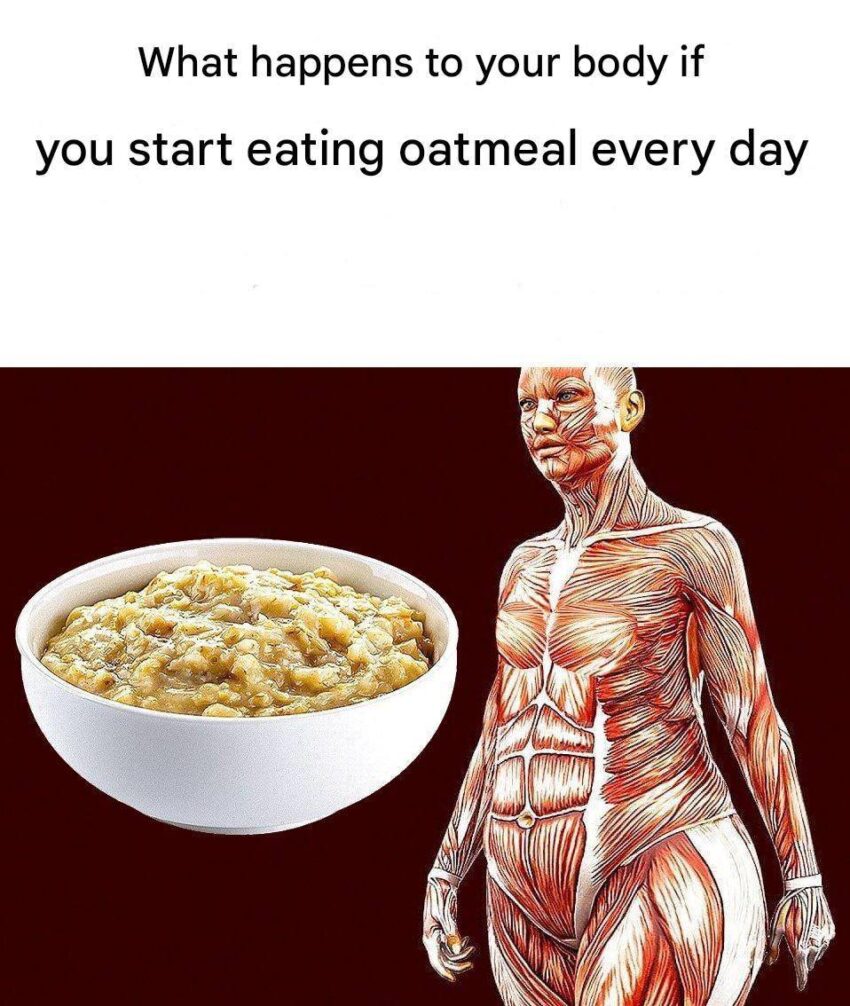
What Happens to Your Body If You Start Eating Oatmeal Every Day? (Doctors Explain the Real Effects)
Discover what daily oatmeal does to your body—heart health, digestion, weight, energy, and what changes to expect over time.
The Quiet Breakfast Habit That Can Change Your Entire Day
There’s something almost unremarkable about oatmeal.
It doesn’t shout like sugary cereals. It doesn’t look trendy like smoothie bowls. And it definitely doesn’t feel “exciting” at first glance.
But here’s what surprises many people in the United States:
When oatmeal becomes a daily habit, your body begins to change in subtle but powerful ways.
Not overnight. Not dramatically. But consistently—like a slow reset button for digestion, energy, and even heart health.
If you’ve ever wondered:
“Is oatmeal actually worth eating every day?”
This guide breaks it down in a clear, practical, science-informed way—without hype or unrealistic promises.
Why Oatmeal Is Getting So Much Attention in the U.S.
Oatmeal has quietly become a staple in nutrition conversations because it checks several boxes modern Americans care about:
- High fiber content
- Heart-friendly nutrients
- Budget-friendly meals
- Easy preparation
- Long-lasting energy
According to widely recognized health institutions like the American Heart Association, whole grains like oats are strongly linked to improved cardiovascular health when consumed regularly.
But what actually happens inside your body when you eat it every day?
Let’s explore.
1. Your Digestion Starts to Improve
One of the first noticeable changes is in your digestive system.
Oatmeal is rich in soluble fiber, especially beta-glucan, which plays a key role in gut health.
What this means for your body:
- Smoother bowel movements
- Reduced constipation
- Improved gut bacteria balance
- Less bloating over time
Real-life example:
Many people notice that within a few days to a week, their digestion feels “more regular” and less unpredictable.
2. You Feel Fuller for Longer (Reduced Cravings)
One of oatmeal’s strongest effects is satiety—the feeling of fullness.
Because it digests slowly, it helps stabilize hunger hormones.
You may notice:
- Fewer mid-morning snacks
- Reduced sugar cravings
- Less overeating at lunch
This is why oatmeal is often recommended for people trying to manage weight in a sustainable way.
3. Your Energy Becomes More Stable
Unlike sugary breakfasts that spike blood sugar and crash quickly, oatmeal provides a slow release of energy.
What you might experience:
- Steadier focus during the morning
- Fewer energy crashes
- Better productivity
This happens because complex carbohydrates in oats break down gradually, keeping glucose levels more stable.
4. Your Heart Health Gets Long-Term Support
This is one of the most well-researched benefits of oatmeal.
The fiber in oats helps:
- Reduce LDL (bad cholesterol)
- Support healthy blood pressure
- Improve overall cardiovascular markers
The FDA has even recognized that soluble fiber from oats may reduce the risk of heart disease when included in a balanced diet.
Important note:
Oatmeal is not a treatment—but it is a supportive dietary habit for heart health over time.
5. Your Blood Sugar Levels Become More Balanced
Oatmeal has a moderate glycemic index, meaning it doesn’t spike blood sugar as sharply as refined carbs.
This can lead to:
- More stable energy
- Fewer sugar crashes
- Improved insulin response over time
Better choice tip:
Steel-cut or rolled oats are generally better than instant flavored packets.
6. Your Gut Microbiome Improves
Modern nutrition science has made one thing very clear:
Your gut bacteria matter more than we once thought.
Oats act as a prebiotic food, feeding beneficial gut bacteria.
Potential effects:
- Improved digestion
- Better nutrient absorption
- Stronger immune support
Think of oatmeal as “fuel” for the good bacteria in your gut.
7. Your Skin May Start to Look Healthier
This is an indirect but noticeable effect for some people.
When digestion, hydration, and nutrient intake improve, skin often reflects it.
Some people report:
- Fewer breakouts
- Improved skin texture
- More balanced hydration
While oatmeal isn’t a skincare treatment, a healthier internal system often shows externally.
8. You May Notice Gradual Weight Changes
Oatmeal itself doesn’t cause weight loss—but it supports habits that often lead to it.
Why:
- Keeps you full longer
- Reduces calorie-dense snacking
- Helps stabilize appetite
Important reality:
Weight changes depend on overall diet, not a single food.
How to Eat Oatmeal the Right Way (So It Actually Helps You)
Not all oatmeal bowls are equal.
Step 1: Choose the right type
- Steel-cut oats (slowest digestion, most fiber)
- Rolled oats (balanced option)
- Avoid heavily processed instant packets with added sugar
Step 2: Build a balanced bowl
A good oatmeal bowl includes:
- Protein (nuts, Greek yogurt, milk)
- Healthy fats (almonds, peanut butter, seeds)
- Natural sweetness (fruit, cinnamon, honey)
Step 3: Avoid sugar overload
Common mistake:
- Brown sugar + syrup + flavored toppings
Better approach:
- Fruit + cinnamon + a small amount of natural sweetener
Pros and Cons of Eating Oatmeal Daily
Pros
- Supports heart health
- Improves digestion
- Helps manage appetite
- Provides steady energy
- Affordable and accessible
Cons
- Can become repetitive if not varied
- Some instant versions contain added sugar
- Not suitable for low-carb diets
Common Mistakes People Make
1. Using Instant Sugary Packets
These often cancel out health benefits.
2. Skipping Protein
Oatmeal alone may not keep you full long enough.
3. Overloading With Sweet Toppings
Turns a healthy meal into a dessert.
4. Not Drinking Enough Water
Fiber works best with proper hydration.
Expert Insight (What Nutritionists Often Emphasize)
Dietitians frequently highlight this simple truth:
“Consistency matters more than perfection when it comes to whole grains like oats.”
Daily oatmeal is less about transformation and more about long-term stability in digestion, energy, and heart health.
Real-Life Scenario
Michael, 41, office worker in Texas
Before:
- Skipped breakfast or ate pastries
- Mid-morning fatigue
- Frequent snacking
After switching to oatmeal daily:
- More stable energy
- Reduced cravings
- Improved digestion
- Better portion control at lunch
No extreme diet changes—just one consistent habit.
2026 Nutrition Trend: The Return of Simple Foods
In the U.S., there’s a growing shift toward:
- Whole foods over processed meals
- High-fiber diets
- Budget-friendly nutrition strategies
Oatmeal fits perfectly into this trend because it is:
- Accessible
- Affordable
- Nutrient-dense
- Easy to prepare
Frequently Asked Questions (People Also Ask)
1. Is it healthy to eat oatmeal every day?
Yes, for most people, daily oatmeal is considered a healthy habit.
2. What happens if I eat oatmeal for breakfast daily?
You may notice improved digestion, energy stability, and reduced hunger.
3. Can oatmeal help with weight loss?
It can support weight management by increasing fullness.
4. Is oatmeal good for your heart?
Yes, it contains soluble fiber that supports heart health.
5. Can I eat oatmeal at night?
Yes, it can be eaten any time of day.
6. What type of oatmeal is healthiest?
Steel-cut oats are the least processed and most fiber-rich.
7. Does oatmeal spike blood sugar?
It has a moderate effect, lower than refined carbohydrates.
8. Can oatmeal improve digestion?
Yes, due to its high soluble fiber content.
Action Checklist: Starting Your Oatmeal Habit
- ✔ Choose steel-cut or rolled oats
- ✔ Avoid high-sugar instant packets
- ✔ Add protein and healthy fats
- ✔ Include fruit for natural sweetness
- ✔ Stay consistent for at least 2–3 weeks
- ✔ Monitor how your energy and digestion change
Oatmeal is not a miracle food—but it is one of the most reliably beneficial daily habits you can add to your routine.
Its strength isn’t in dramatic change—it’s in steady, long-term improvement.
Better digestion.
More stable energy.
Heart-friendly nutrition.
And fewer unnecessary cravings.
Simple food. Real impact.
Eating oatmeal every day supports your body in multiple ways—especially digestion, heart health, and energy stability. The key is consistency and smart preparation.
If this helped you understand oatmeal better, share it with someone trying to improve their diet—and feel free to comment on how you like to prepare your own bowl.