What Does the Thumb-Between-Fingers Gesture Mean? The Hidden History Behind This Surprising Sign
Discover the meaning of the thumb-between-fingers gesture, its cultural origins, symbolism, and when it’s considered offensive or protective.
You’ve Probably Seen This Gesture… But Never Questioned It
Picture this:
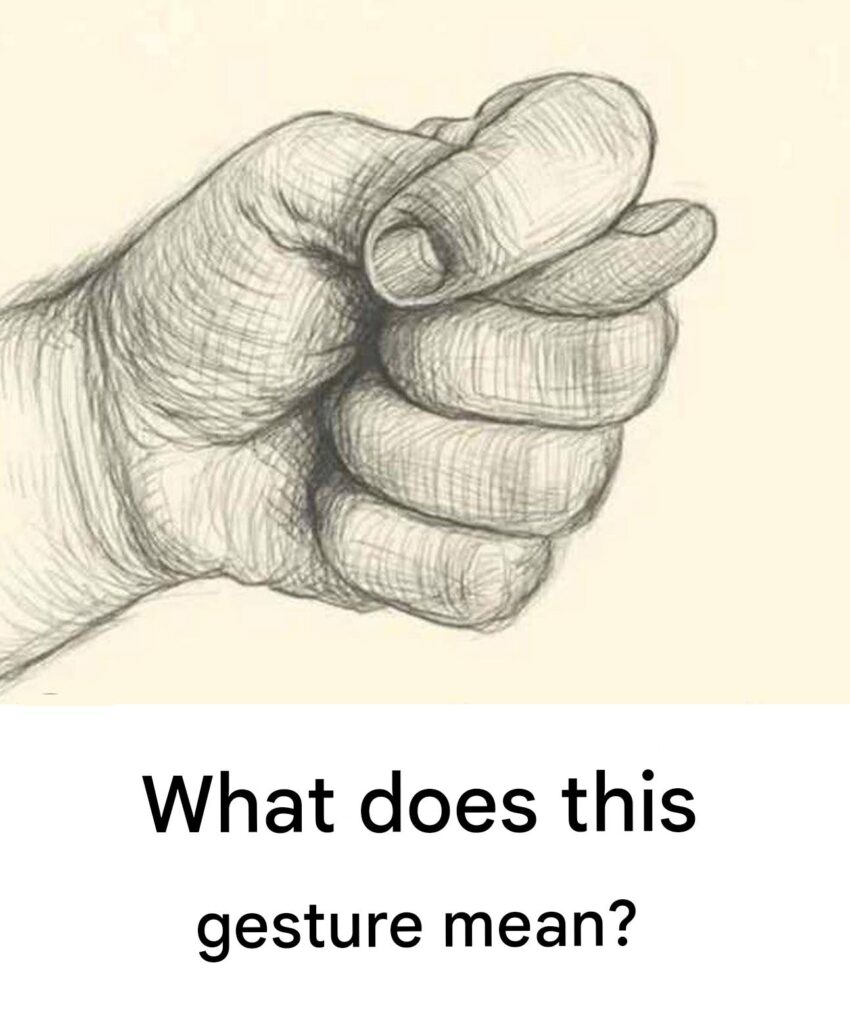
A hand closes into a fist—but instead of the thumb resting outside, it’s tucked between the index and middle fingers.
At first glance, it looks playful. Maybe even meaningless.
But here’s the surprising part: this simple gesture carries centuries of symbolism, cultural meaning, and even superstition.
Depending on where you are, it can be:
- A protective charm
- A rude insult
- A joke among friends
- Or a symbol with deep historical roots
So what does it really mean?
Let’s break it down.
What Is the Thumb-Between-Fingers Gesture?
This hand sign is commonly known as the “fig sign.”
It’s made by:
- Closing your hand into a fist
- Placing your thumb between your index and middle fingers
Simple—but far from insignificant.
The Origins: A Gesture Older Than You Think
The fig sign dates back to ancient civilizations, including:
- The Roman Empire
- Ancient Greece
- Parts of the Middle East and Asia
Its name comes from the Latin word for “fig,” due to its resemblance to the fruit.
But historically, it wasn’t about fruit at all.
It symbolized fertility, protection, and power—often with a bold, provocative edge.
Meaning #1: Protection Against Evil
In many cultures, the gesture has long been used as a protective sign against bad luck or the “evil eye.”
Where This Meaning Exists
- Southern Europe (Italy, Spain)
- Parts of Eastern Europe
- Latin American traditions
How It’s Used
- As a charm carried in jewelry
- Quietly made with the hand during tense situations
- Used to ward off negative energy
Why It Matters
For centuries, people believed this gesture could deflect harm or jealousy from others.
Even today, you’ll find small hand-shaped charms using this symbol.
Meaning #2: A Rude or Offensive Gesture
Now here’s where things shift.
In some cultures, the same gesture is considered offensive or vulgar.
Where It Can Be Offensive
- Brazil
- Turkey
- Some parts of Eastern Europe
What It Implies
Historically, it was used as a crude symbol related to sexual imagery, which is why it can be seen as disrespectful.
Real-World Example
Making this gesture casually in certain countries could:
- Be interpreted as an insult
- Create awkward or tense situations
- Lead to misunderstandings in social or professional settings
Meaning #3: A Playful Gesture Among Children
In many places—especially in the United States—this gesture shows up in a completely different way.
Childhood Context
Adults sometimes make the gesture toward children and say:
- “I’ve got your nose!”
- Or use it jokingly during play
In this case, it’s harmless and meant to be funny—not symbolic.
Meaning #4: A Sign of Defiance or Mockery
Historically, the fig sign was sometimes used to express:
- Disrespect
- Rejection
- Defiance toward authority
It was a way of saying:
“I don’t accept you” or “I refuse.”
This meaning isn’t as common today—but it still exists in certain cultural contexts.
Why the Meaning Changes So Much
Gestures aren’t universal.
Their meanings shift based on:
- Culture
- History
- Social norms
- Context
What’s friendly in one country can be offensive in another.
That’s why understanding this gesture matters—especially if you travel or interact across cultures.
Quick Comparison Table
| Context | Meaning | Safe to Use? |
|---|---|---|
| Southern Europe | Protection against evil | Yes |
| Latin America | Good luck / charm | Yes |
| United States (casual) | Playful / joke | Yes |
| Brazil / Turkey | Offensive / vulgar | No |
| Historical use | Defiance or insult | Contextual |
Real-Life Scenario
Alex, 29, traveling in Brazil
While joking with friends, Alex made the gesture casually—thinking it was harmless.
The reaction?
- Immediate awkward silence
- Confusion
- Someone later explained it was considered rude
Lesson learned: Gestures don’t translate the way words do.
Common Mistakes People Make
1. Assuming All Gestures Are Universal
They’re not. Cultural differences matter.
2. Using It Without Context
Even harmless gestures can be misinterpreted.
3. Ignoring Cultural Sensitivity
Especially important when traveling or working internationally.
Expert Insight: Why Humans Use Symbolic Gestures
From a behavioral psychology perspective, gestures like this serve as:
- Nonverbal communication tools
- Emotional expressions
- Cultural identity markers
They often carry more emotional weight than words—because they’re visual and immediate.
Modern-Day Relevance (2026 Perspective)
In today’s connected world:
- People interact across cultures more than ever
- Misunderstandings can happen quickly
- Awareness of nonverbal cues is increasingly valuable
This makes understanding gestures like the fig sign more relevant—not less.
When Should You Avoid This Gesture?
To stay safe:
- Avoid using it in unfamiliar cultural settings
- Don’t use it in professional environments
- Be cautious when traveling internationally
When in doubt, it’s better not to use it.
Safer Alternatives for Expression
If you want to communicate positivity or humor, stick with:
- A thumbs-up
- A smile
- Open-hand gestures
These are more universally understood.
Frequently Asked Questions
1. What is the thumb-between-fingers gesture called?
It’s commonly known as the “fig sign.”
2. Is it offensive everywhere?
No. Its meaning depends heavily on cultural context.
3. Why is it called the fig sign?
It resembles a fig fruit and comes from Latin origins.
4. Is it safe to use in the U.S.?
Generally yes, especially in playful or informal contexts.
5. Why is it considered rude in some countries?
Because of its historical association with vulgar symbolism.
6. Is it still used today?
Yes, both as a cultural symbol and in casual contexts.
7. Can it bring good luck?
In some traditions, it’s believed to protect against bad energy.
8. Do people wear it as jewelry?
Yes—especially in parts of Europe and Latin America.
9. Is it the same as crossing fingers?
No. Crossing fingers usually means hope or luck, which is different.
10. Should I teach kids this gesture?
Only if you explain the cultural differences and context.
Action Checklist
- Learn the meaning before using unfamiliar gestures
- Be mindful of cultural differences
- Avoid using it in formal settings
- Stick to universally safe gestures when unsure
- Stay aware when traveling internationally
The thumb-between-fingers gesture might look simple—but it carries layers of meaning shaped by history, culture, and human behavior.
In one place, it protects.
In another, it offends.
In some cases, it’s just a joke.
Understanding that difference is what turns confusion into awareness.
Small gestures can say big things.
And in a world where communication goes beyond words, knowing what your hands are “saying” matters more than ever.
If you found this interesting, share it with someone who loves learning hidden meanings—or drop a comment with a gesture you’ve always wondered about.