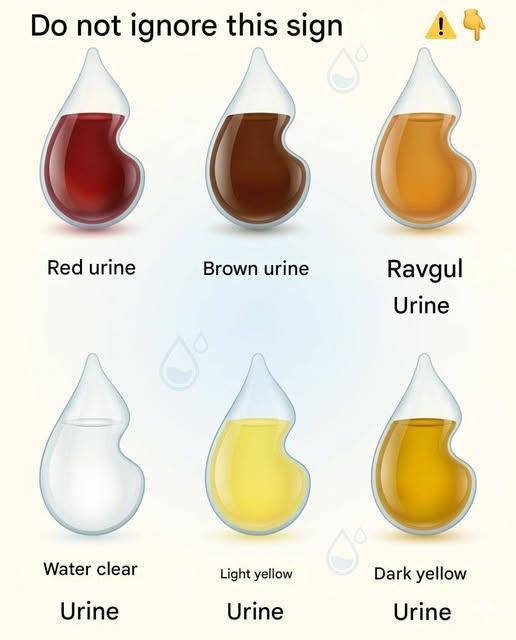
What the Color of Your Urine Says About Your Health (A Practical, No-Nonsense Guide)
Discover what your urine color reveals about hydration, diet, and health. Learn when changes are normal—and when it’s time to see a doctor.
That Quick Glance in the Toilet? It Tells You More Than You Think
Most people don’t think twice about urine color—until something looks… off.
Maybe it’s darker than usual.
Maybe it’s bright yellow.
Or suddenly, it has a strange tint that catches your attention.
Here’s the reality:
Your urine color is one of the simplest, fastest ways your body communicates what’s going on inside.
And once you know how to read it, you can spot hydration issues, dietary effects, and even early warning signs of health problems—often before other symptoms show up.
What Determines Urine Color in the First Place?
Urine gets its color from a pigment called urochrome, which forms when your body breaks down hemoglobin.
The color changes based on:
- How hydrated you are
- What you eat and drink
- Medications or supplements
- Underlying health conditions
Think of it as a sliding scale—from clear to dark amber—with a few surprising variations in between.
The Urine Color Chart (And What Each Shade Means)
1. Clear or Almost Colorless
What it means:
- You’re very hydrated (sometimes overhydrated)
Is it healthy?
- Usually fine, but consistently clear urine may mean you’re drinking more water than needed.
Watch for:
- Frequent urination without thirst could occasionally signal underlying issues.
2. Pale Straw or Light Yellow (Ideal)
What it means:
- Well-hydrated
- Normal kidney function
This is the goal color.
If your urine looks like diluted lemonade, you’re in a good place.
3. Bright Yellow (Almost Neon)
What it means:
- Often caused by vitamin B supplements
Important:
This color can look alarming, but it’s usually harmless.
Your body is simply flushing out excess vitamins.
4. Dark Yellow
What it means:
- Mild dehydration
What to do:
- Drink water gradually over the next few hours
This is one of the most common signals your body sends—and one of the easiest to fix.
5. Amber or Honey-Colored
What it means:
- Dehydration is becoming more significant
Possible causes:
- Not drinking enough fluids
- Excess sweating (common in hot U.S. climates or after workouts)
Action:
- Rehydrate soon
6. Orange
What it might mean:
- Dehydration
- Certain medications
- High intake of foods like carrots
Less commonly:
- Liver or bile duct issues
If it persists without a clear cause, it’s worth checking with a doctor.
7. Pink or Red
This one gets attention—and for good reason.
Possible causes:
Harmless:
- Beets
- Berries
- Food coloring
More serious:
- Blood in urine
- Urinary tract infections
- Kidney stones
Important:
If you haven’t eaten anything that explains it, don’t ignore it.
8. Blue or Green (Rare but Real)
Possible causes:
- Certain medications
- Artificial dyes
- Rare medical conditions
It may look shocking, but it’s often not dangerous.
Still, unusual colors that persist should be evaluated.
9. Dark Brown (Like Tea or Cola)
What it could indicate:
- Severe dehydration
- Liver issues
- Muscle breakdown in rare cases
This is not a “wait and see” situation.
Seek medical advice if this color appears and doesn’t quickly resolve.
10. Cloudy or Milky
What it means:
- Possible infection
- Kidney stones
- High mineral content
Often accompanied by:
- Strong odor
- Burning sensation
This is a common sign of a urinary tract infection (UTI).
Why This Matters More in the U.S.
In the United States, lifestyle factors play a major role in urine color changes:
- High caffeine intake
- Processed food consumption
- Low daily water intake
- Busy routines that delay bathroom breaks
Many people normalize symptoms that are actually early warning signs.
Understanding urine color helps you:
- Catch dehydration early
- Adjust your habits quickly
- Avoid unnecessary health complications
Real-Life Scenario: A Small Change That Prevented a Bigger Problem
A 35-year-old office worker noticed consistently dark yellow urine but ignored it for weeks.
Eventually, mild discomfort appeared.
After increasing water intake and reducing caffeine:
- Urine returned to pale yellow
- Symptoms disappeared
What seemed minor was actually chronic dehydration building up over time.
Common Mistakes People Make
1. Ignoring Persistent Changes
If a color lasts more than a few days, it deserves attention.
2. Assuming “More Water Is Always Better”
Overhydration can dilute electrolytes.
3. Forgetting About Diet
Foods can temporarily change urine color—this is normal.
4. Delaying Medical Advice
Especially for red, brown, or cloudy urine.
Expert Tips Most People Don’t Know
- Morning urine is naturally darker—this is normal
- Coffee can mildly dehydrate you, but it still counts toward fluid intake
- Vitamin supplements often change urine color dramatically
- Your hydration needs vary based on climate, activity, and body size
2026 Update: Personalized Hydration Awareness
More Americans are now using:
- Smart water bottles
- Hydration tracking apps
- Wearables that monitor fluid balance
The trend is shifting from “drink 8 glasses” to custom hydration based on your body’s signals.
When You Should See a Doctor
Don’t wait if you notice:
- Red or pink urine without food explanation
- Dark brown urine
- Persistent cloudiness
- Pain, burning, or strong odor
- Sudden changes that don’t resolve
Early evaluation can prevent more serious conditions.
Frequently Asked Questions
1. What is the healthiest urine color?
Pale yellow is ideal.
2. Is clear urine bad?
Not necessarily, but constant clarity may indicate overhydration.
3. Can dehydration cause strong-smelling urine?
Yes, concentrated urine often smells stronger.
4. Does diet affect urine color?
Absolutely—foods like beets and carrots can change color.
5. Should I worry about bright yellow urine?
Usually no—it’s often caused by vitamins.
6. How quickly does hydration affect urine color?
Often within a few hours.
7. Is cloudy urine always an infection?
Not always, but it’s a common cause.
8. Can medications change urine color?
Yes, many do.
Action Checklist: What to Do Starting Today
- Check your urine color daily
- Aim for pale yellow
- Drink water consistently—not all at once
- Pay attention to sudden or unusual changes
- Adjust diet and supplements if needed
- Seek medical advice when symptoms persist
Conclusion: Your Body Is Giving You Signals—Don’t Ignore Them
Urine color isn’t random.
It’s a built-in feedback system—simple, visible, and surprisingly accurate.
When you pay attention to it, you can:
- Catch dehydration early
- Spot potential health issues
- Make smarter daily choices
And the best part?
It takes just a few seconds to check.
Healthy urine = pale yellow, consistent, and odor-free.
Anything outside that range isn’t always serious—but it’s always worth noticing.
If this helped you understand your body better, share it with someone who might need it—or drop your question below. Sometimes the smallest habits lead to the biggest health improvements.