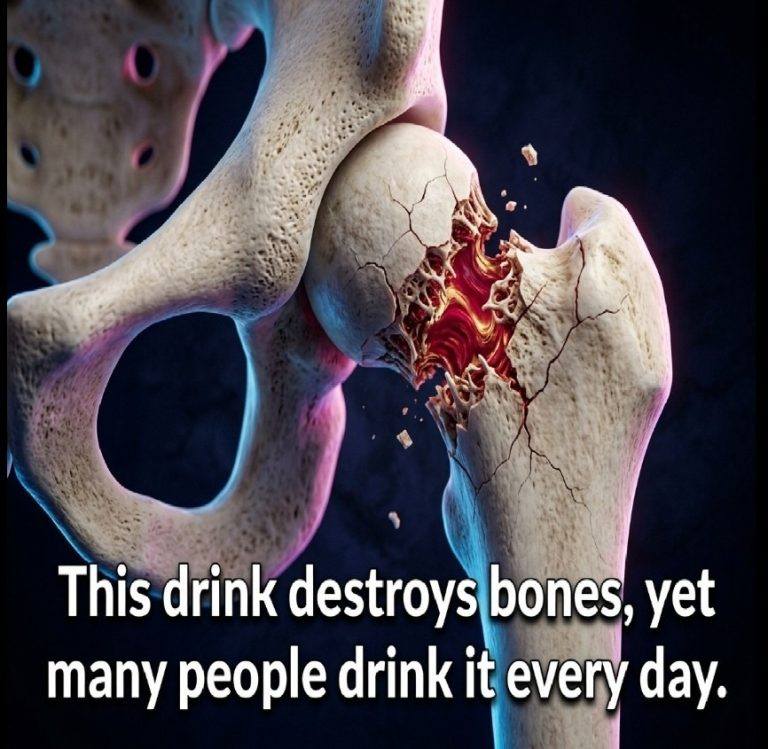
5 Surprisingly Harmful Drinks That Can Weaken Your Bones (Backed by Health Experts)
Discover the 5 worst drinks for bone health and how they impact your body. Learn smarter choices to protect your bones long-term.
Your Daily Drinks Might Be Quietly Damaging Your Bones
Most people don’t think twice about what they sip throughout the day. Coffee in the morning, soda with lunch, maybe a sports drink after a workout—it all feels normal, even harmless.
But here’s the uncomfortable truth: some of the most common drinks in the American diet are quietly working against your bone health.
If you’ve ever worried about osteoporosis, joint pain, or long-term mobility, this matters more than you think.
Bone loss doesn’t happen overnight. It builds slowly—often silently—until it becomes a real problem. And while calcium and vitamin D get all the attention, what you drink daily can either support your bones… or slowly weaken them.
In this guide, you’ll learn:
- The 5 drinks experts consistently warn about
- Why they’re harmful (in plain English)
- How much is too much
- Smarter swaps that actually protect your bones
- Practical strategies you can start using today
Why Bone Health Matters More Than Ever in the U.S.
Bone-related conditions are rising across the United States, especially among adults over 30.
According to major health organizations, millions of Americans are already dealing with reduced bone density—and many don’t even know it.
Here’s why this is becoming a bigger issue:
- Sedentary lifestyles reduce bone strength
- Highly processed diets lack essential minerals
- High caffeine and sugar intake disrupt calcium balance
- Aging population increases risk of fractures
And one overlooked factor?
Beverage choices.
Unlike food, drinks are easy to overconsume without noticing. You might think you’re just staying hydrated—but depending on what’s in your cup, you could be doing the opposite.
The 5 Worst Drinks for Your Bones
Let’s break down the biggest offenders—and what makes them harmful.
1. Sugary Soda (Regular and Diet)
Why It’s a Problem
Soda is one of the most widely consumed beverages in the U.S.—and one of the most damaging for bone health.
The issue isn’t just sugar.
It’s the combination of:
- Phosphoric acid (especially in colas)
- High sugar content
- Displacement of calcium-rich drinks like milk
What Happens in Your Body
Phosphoric acid can disrupt the calcium balance in your body. When calcium levels drop, your body may pull calcium from your bones to compensate.
Over time, this weakens bone density.
Real-Life Scenario
Think about a typical workday: grabbing a soda with lunch, another mid-afternoon. That’s not unusual—but it adds up.
Replace milk or water with soda consistently, and your bones lose a key source of support.
Smarter Alternatives
- Sparkling water with lemon
- Unsweetened iced tea
- Infused water (cucumber, mint, berries)
2. Excessive Coffee (Especially High-Caffeine Intake)
The Hidden Risk
Coffee itself isn’t the enemy. In moderation, it’s fine.
But in the U.S., “moderation” often turns into multiple large cups per day—sometimes 300–500 mg of caffeine or more.
Why It Matters
Caffeine can:
- Increase calcium excretion through urine
- Reduce calcium absorption when consumed in excess
Where It Becomes a Problem
- Drinking coffee instead of breakfast
- Pairing caffeine with low-calcium diets
- Consuming energy drinks alongside coffee
Expert Insight
Most experts suggest keeping caffeine intake under 400 mg per day for adults—but for bone health, lower is often better if calcium intake is low.
Better Approach
- Limit to 1–2 cups daily
- Add milk (or fortified plant milk)
- Avoid drinking coffee immediately after calcium-rich meals
3. Energy Drinks
Why They’re Worse Than You Think
Energy drinks combine multiple risk factors into one:
- High caffeine
- High sugar (or artificial sweeteners)
- Additives that may interfere with mineral balance
The Bigger Issue
These drinks are often consumed quickly and in large amounts—especially among younger adults and athletes.
Bone Impact
- Increased calcium loss
- Potential interference with bone-building processes
- Hormonal stress that may indirectly affect bone health
Common Mistake
Many people assume energy drinks are “performance-enhancing.”
In reality, frequent use can create long-term health trade-offs, including weaker bones.
Smarter Swap
- Black coffee in moderation
- Green tea
- Electrolyte water without added sugar
4. Alcohol (Especially Frequent or Heavy Drinking)
The Reality
Moderate alcohol intake might not cause major harm—but regular or heavy drinking can significantly impact bone strength.
How It Affects Bones
Alcohol can:
- Interfere with calcium absorption
- Disrupt vitamin D metabolism
- Reduce bone formation over time
Real-World Example
Weekend binge drinking or nightly wine habits may feel routine—but over months and years, the cumulative effect matters.
Risk Amplifiers
- Poor diet
- Low physical activity
- Smoking
Together, these can accelerate bone loss.
Healthier Approach
- Limit intake (1 drink/day for women, 2 for men max)
- Stay hydrated
- Balance with nutrient-rich foods
5. Sweetened Fruit Juices and “Healthy” Drinks
The Misleading Label
Many people assume fruit juice is healthy—and in small amounts, it can be.
But most commercial juices are:
- High in sugar
- Low in fiber
- Easy to overconsume
The Bone Connection
High sugar intake can:
- Increase calcium loss
- Trigger inflammation
- Reduce overall nutrient balance
Common Trap
“Smoothies” and bottled juices marketed as health drinks often contain as much sugar as soda.
Better Choices
- Whole fruit instead of juice
- Diluted juice (half water)
- Unsweetened smoothies with protein and healthy fats
Quick Comparison Table
| Drink Type | Main Risk Factor | Bone Impact Level |
|---|---|---|
| Sugary Soda | Phosphoric acid, sugar | High |
| Excess Coffee | Caffeine overload | Moderate–High |
| Energy Drinks | Caffeine + additives | High |
| Alcohol | Metabolism disruption | Moderate–High |
| Fruit Juice (Sweet) | Sugar overload | Moderate |
What Most People Get Wrong
Even health-conscious individuals make these mistakes:
- Assuming “natural” equals safe
- Ignoring portion sizes
- Overcompensating with supplements instead of diet
- Not tracking daily beverage intake
Small habits, repeated daily, matter more than occasional indulgence.
Practical Strategies to Protect Your Bones
1. Audit Your Daily Drinks
Write down everything you drink for 3 days.
You’ll likely notice patterns you weren’t aware of.
2. Follow the 80/20 Rule
- 80% bone-friendly drinks (water, milk, fortified alternatives)
- 20% flexibility for enjoyment
3. Pair Drinks with Nutrients
If you drink coffee or alcohol, balance it with:
- Calcium-rich foods
- Vitamin D sources
- Magnesium intake
4. Stay Hydrated the Right Way
Water is still the best foundation.
Add variety with:
- Herbal teas
- Infused water
- Low-sugar electrolyte drinks
Mini Case Example
Sarah, 38, Office Professional (California)
- Daily habits: 3 coffees, 1 soda, occasional wine
- Symptoms: fatigue, early signs of bone density loss
After simple changes:
- Reduced coffee to 2 cups
- Replaced soda with sparkling water
- Added calcium-rich snacks
Result after 6 months:
- Improved energy
- Better lab markers
- Stabilized bone density
No extreme diet. Just smarter drink choices.
Expert Tips Most People Don’t Know
- Drinking caffeine with meals reduces its impact on calcium loss
- Adding a splash of milk to coffee can offset some negative effects
- Hydration level influences mineral balance more than most realize
- Bone health starts declining earlier than most people expect (late 20s–30s)
Trends to Watch in 2026
- Rise of functional beverages with added minerals
- Increased demand for low-sugar hydration options
- Growing awareness of hidden sugars in drinks
- More consumers tracking micronutrient intake
The shift is happening—but slowly.
Frequently Asked Questions
1. Is coffee bad for bones completely?
No. Moderate intake is generally safe. Problems arise with excessive consumption and low calcium intake.
2. Are diet sodas safer than regular soda?
Not necessarily. While they lack sugar, they still contain acids that may affect bone health.
3. How much soda is too much?
Even one daily soda can have long-term effects if it replaces healthier options.
4. Does drinking milk cancel out harmful drinks?
It helps, but it doesn’t fully offset negative effects if harmful drinks are consumed frequently.
5. Are sports drinks harmful?
Many contain high sugar levels. Occasional use is fine, but daily consumption isn’t ideal.
6. What’s the best drink for bone health?
Water, milk, and fortified plant-based drinks are among the best options.
7. Does alcohol permanently damage bones?
Not necessarily—but chronic heavy use can lead to lasting bone density loss.
8. Can I reverse bone damage from poor habits?
You can improve bone health with better nutrition, exercise, and lifestyle changes—but prevention is easier than reversal.
9. Are smoothies always healthy?
Only if made properly. Watch for added sugars and portion sizes.
10. How early should I start caring about bone health?
Ideally in your 20s or 30s. That’s when peak bone mass begins to decline.
Action Checklist
- Reduce soda intake to occasional use
- Limit caffeine to 1–2 cups daily
- Replace sugary drinks with water or herbal tea
- Monitor alcohol consumption
- Choose whole fruits over juice
- Ensure adequate calcium and vitamin D intake
- Stay consistently hydrated
Your bones are living tissue—and they respond to your daily habits.
What you drink might seem small, but over time, it shapes your long-term health more than you realize.
You don’t need perfection.
You need awareness—and better choices more often than not.
If this made you rethink your daily drink habits, that’s a good thing.
Start small. Swap one drink. Then another.
Over time, those choices add up—to stronger bones, better health, and fewer regrets later.
If you found this helpful, share it with someone who needs it—or drop a comment with your biggest takeaway.