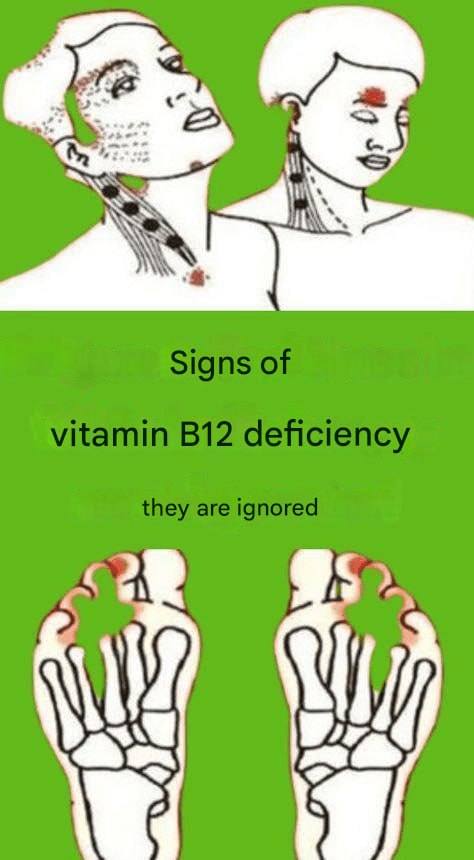
The Silent Signals of Vitamin B12 Deficiency Most People Ignore Until It’s Serious
Subtle vitamin B12 deficiency signs often go unnoticed. Learn the hidden symptoms, risks, and practical steps to protect your health early.
When Your Body Whispers Before It Starts to Scream
Most people in the United States don’t think twice about vitamin B12. You wake up tired, assume it’s stress. You forget words mid-sentence, blame distraction. Your hands feel a little numb, maybe you slept wrong.
It feels normal—until it isn’t.
Vitamin B12 deficiency rarely announces itself loudly at first. Instead, it shows up like a quiet interruption in your daily life: subtle fatigue, brain fog, mood changes, and strange physical sensations that don’t seem connected. Because these symptoms are easy to dismiss, many Americans go months—or even years—without realizing what’s happening inside their bodies.
By the time the condition is identified, the effects can already be affecting the nervous system, energy production, and cognitive clarity.
This article breaks down those overlooked signals in a practical, real-world way so you can recognize them early, understand why they matter, and take informed steps before things progress.
Why Vitamin B12 Deficiency Is Overlooked in the United States
In the U.S., vitamin B12 deficiency is more common than most people realize. According to major clinical discussions from institutions like the National Institutes of Health and Harvard-affiliated research summaries, certain groups are especially at risk:
- Adults over 50
- Vegetarians and vegans
- People taking acid-reducing medications
- Individuals with digestive disorders (like Crohn’s or celiac disease)
- Those with high stress or poor dietary balance
But here’s the real issue: the symptoms are not dramatic at first. They are subtle, inconsistent, and often misattributed to modern lifestyle stress.
In a fast-paced American routine—long work hours, processed foods, coffee dependence—it becomes incredibly easy to overlook early nutritional deficiencies.
What Vitamin B12 Actually Does in Your Body
Before understanding the warning signs, it helps to know why B12 matters so much.
Vitamin B12 plays a key role in:
- Red blood cell formation
- Brain and nerve function
- DNA synthesis
- Energy metabolism
Without enough of it, your body slowly begins to struggle with oxygen delivery, nerve signaling, and cellular repair.
Think of B12 as a quiet maintenance worker in your system. You don’t notice it when it’s there—but you definitely feel it when it’s missing.
Early Signs of Vitamin B12 Deficiency Most People Ignore
1. Persistent Fatigue That Doesn’t Improve With Rest
One of the earliest and most commonly ignored symptoms is fatigue that sleep doesn’t fix.
It’s not the usual “I had a long day” tiredness. It feels deeper—like your energy battery never fully charges.
People often say:
- “I sleep 8 hours but still wake up exhausted.”
- “I feel drained even after weekends.”
This happens because B12 is essential for red blood cell production. Without it, oxygen delivery becomes inefficient, leaving your body in a constant low-energy state.
2. Brain Fog and Mental Slowness
You may notice:
- Difficulty concentrating
- Forgetting simple words
- Slower thinking speed
- Feeling mentally “cloudy”
Many Americans mistake this for stress, screen overload, or aging. But B12 deficiency directly impacts brain function.
When nerve signaling slows down, cognitive clarity suffers. Tasks that used to feel automatic suddenly require more effort.
3. Tingling or Numbness in Hands and Feet
This symptom is often ignored until it becomes persistent.
You might feel:
- Pins and needles in your fingers
- Mild numbness in toes
- Occasional burning sensations
This is a neurological warning sign. Vitamin B12 is essential for maintaining the protective coating around nerves. When levels drop, nerve communication becomes disrupted.
4. Mood Changes That Feel “Out of Character”
Low B12 levels can influence brain chemicals linked to mood regulation.
Possible signs include:
- Increased irritability
- Mild depression or emotional flatness
- Anxiety without clear triggers
Many people in the U.S. attribute this to work stress or burnout, which delays proper diagnosis.
5. Pale or Slightly Yellow Skin Tone
This is often subtle and gradual.
It occurs because B12 deficiency can lead to reduced red blood cell production, sometimes causing mild anemia. The skin may appear:
- Paler than usual
- Slightly yellowish (in more advanced cases)
This change is usually more noticeable in natural light.
6. Shortness of Breath During Simple Activities
Climbing stairs or walking short distances may suddenly feel more tiring than usual.
This happens because oxygen transport efficiency is reduced. The body compensates by making you breathe faster—even during light activity.
7. Glossy or Swollen Tongue
A lesser-known symptom is changes in the tongue’s appearance:
- Smooth or “shiny” texture
- Mild swelling
- Sensitivity or soreness
This occurs due to inflammation of oral tissues caused by nutrient deficiency.
A Real-World Scenario (What This Looks Like in Daily Life)
Consider a typical working adult in the U.S.:
They wake up tired, drink coffee to function, push through work with occasional brain fog, and assume they are just “burnt out.” Over months, they start forgetting small things, feel emotionally flat, and notice tingling in their hands during long typing sessions.
Nothing feels severe enough to raise alarm.
But underneath, a vitamin B12 deficiency may be quietly progressing.
This is why it is often called a “hidden deficiency”—not because it is rare, but because it disguises itself as everyday stress.
Why These Symptoms Are So Easily Ignored
There are three major psychological reasons:
1. Normalization of fatigue
Modern culture treats exhaustion as normal.
2. Symptom overlap
B12 deficiency symptoms overlap with stress, anxiety, aging, and sleep deprivation.
3. Gradual progression
Unlike sudden illness, this develops slowly over time.
This combination makes early detection difficult without awareness or testing.
Common Mistakes People Make
Mistake 1: Self-diagnosing as stress
While stress is real, it should not be the default explanation for every symptom.
Mistake 2: Relying only on caffeine
Energy drinks and coffee mask fatigue but do not fix the underlying issue.
Mistake 3: Ignoring diet quality
Fast food-heavy diets are often low in B12-rich foods.
Mistake 4: Delaying blood tests
Many people wait until symptoms become severe before seeking medical advice.
Expert-Level Insights Most People Don’t Know
- B12 is primarily found in animal-based foods like meat, eggs, and dairy
- Absorption declines with age, even if diet remains the same
- Certain medications can interfere with absorption over time
- Symptoms can appear even when dietary intake seems adequate
According to research discussions from major health institutions, neurological symptoms can sometimes become long-lasting if deficiency is left untreated too long.
How Vitamin B12 Deficiency Is Diagnosed
A simple blood test is usually enough.
Doctors may check:
- Serum B12 levels
- Complete blood count (CBC)
- Methylmalonic acid (MMA) in some cases
If you are experiencing multiple symptoms mentioned above, testing becomes especially important.
How It’s Typically Managed
Depending on severity:
- Dietary adjustments (for mild cases)
- Oral supplements
- Prescription B12 injections (for absorption issues)
Always consult a healthcare provider for proper evaluation.
Pros and Cons of Early Detection
Benefits of catching it early
- Faster recovery of energy levels
- Improved cognitive clarity
- Prevention of nerve damage
- Better mood stability
Risks of ignoring symptoms
- Persistent fatigue
- Potential neurological complications
- Long-term cognitive impact in severe cases
Future Outlook: Why Awareness Matters More Than Ever
With increasing reliance on processed foods and plant-based diets in the U.S., awareness around B12 deficiency is becoming more important.
Experts expect:
- More routine screening in primary care
- Increased use of fortified foods
- Greater emphasis on preventive nutrition education
The good news? This is one of the most manageable deficiencies when identified early.
Action Checklist: What You Should Do Next
- Pay attention to persistent fatigue patterns
- Track unusual neurological symptoms
- Review your diet for B12 sources
- Consider a blood test if multiple symptoms appear
- Speak with a healthcare professional if concerned
FAQs
1. What is the most common early sign of B12 deficiency?
Persistent fatigue that doesn’t improve with rest is often the earliest sign.
2. Can you have B12 deficiency even if you eat meat?
Yes. Absorption issues can cause deficiency even with adequate intake.
3. Is brain fog related to B12 deficiency?
Yes, it is one of the most commonly reported neurological symptoms.
4. How long does it take to recover from deficiency?
It varies—some people improve in weeks, others take months depending on severity.
5. Are supplements enough to fix it?
For mild cases, yes. Severe cases may require medical treatment.
6. Can B12 deficiency affect mood?
Yes, it can contribute to irritability, anxiety, and low mood.
7. Who is most at risk in the U.S.?
Older adults, vegans, and people with digestive disorders are at higher risk.
8. Is tingling in hands always B12 deficiency?
Not always, but it is a common neurological symptom that should not be ignored.
9. Can stress cause similar symptoms?
Yes, which is why proper testing is important for clarity.
10. Should I be worried if I have one symptom?
Not necessarily—but multiple persistent symptoms should be evaluated.
Conclusion: Listen to the Signals Before They Become Loud
Vitamin B12 deficiency rarely begins with dramatic warning signs. Instead, it whispers through fatigue, mood changes, and subtle neurological shifts that are easy to dismiss in a busy lifestyle.
But your body is constantly communicating—even when the signals are quiet.
Recognizing these early signs is not about fear; it’s about awareness. The earlier you understand what your body is trying to tell you, the easier it becomes to correct course and restore balance.
If any of these symptoms feel familiar, it may be worth paying closer attention—not later, but now.
Vitamin B12 deficiency is common, often overlooked, and deeply connected to everyday energy, mood, and cognitive health. Awareness is the first step toward prevention, and small changes today can make a meaningful difference in how you feel tomorrow.
If this resonated with you, share it with someone who might be brushing off their symptoms—and consider exploring your own health a little more closely.