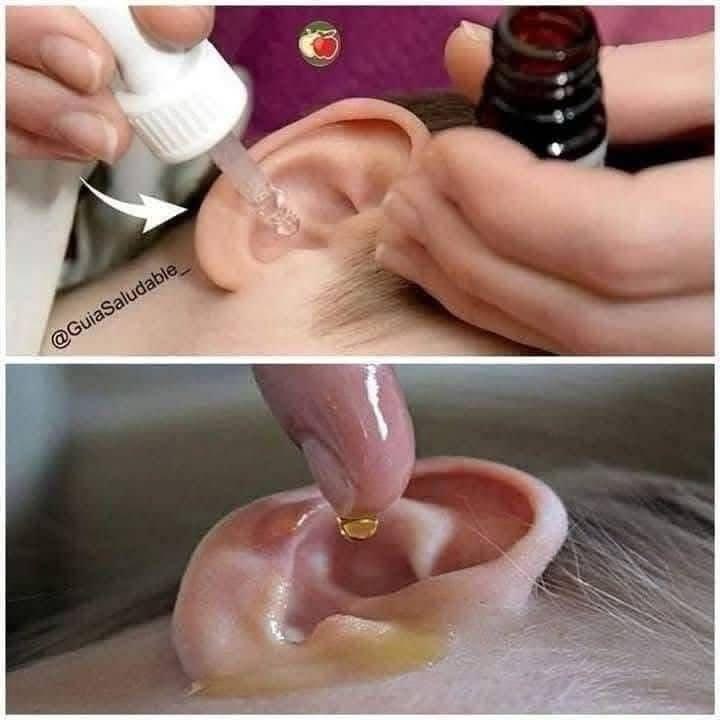
Hearing Loss Explained: Safe Remedies, Causes, and When Ear Drops Help (and When They Don’t)
Hearing loss has many causes from earwax buildup to nerve damage. Learn when ear drops help, when they don’t, and safe ways to protect your hearing.
It often starts subtly.
You ask people to repeat themselves more often. Conversations sound slightly muffled. Or maybe one ear just doesn’t feel as “clear” as it used to.
Naturally, many people look for quick fixes online—and that’s where myths like “putting drops in your ear will restore hearing instantly” begin to spread.
But hearing is far more complex than that.
Sometimes ear drops can help—especially if the problem is simple, like earwax buildup. But in many cases, hearing changes are linked to deeper causes that require proper medical evaluation.
In this guide, we’ll break down what ear drops can actually do, what causes hearing loss, and what really helps protect and improve ear health safely.
Understanding How Hearing Works
To understand hearing loss, it helps to know how sound travels.
Sound enters the ear and passes through:
- Outer ear
- Ear canal
- Eardrum
- Middle ear bones
- Inner ear (cochlea)
- Auditory nerve to the brain
If any part of this system is affected, hearing can change.
When Ear Drops Can Help Hearing
Ear drops are useful in specific situations—but not all.
✔ 1. Earwax Blockage
The most common reason for temporary hearing loss.
Symptoms:
- Muffled hearing
- Feeling of fullness in ear
- Mild discomfort
Ear drops may soften wax so it can naturally exit or be safely removed.
✔ 2. Mild Ear Canal Irritation
Some medicated drops may help with:
- Minor inflammation
- Dryness
- Mild infection (under medical advice)
When Ear Drops Do NOT Restore Hearing
This is important.
Ear drops will NOT fix:
❌ Nerve-related hearing loss
❌ Age-related hearing decline
❌ Inner ear damage
❌ Sudden hearing loss from trauma or infection
These conditions require medical diagnosis and sometimes hearing aids or specialized treatment.
Common Causes of Hearing Loss
1. Earwax buildup
Temporary and treatable.
2. Age-related hearing loss (Presbycusis)
Gradual decline in hearing sensitivity over time.
3. Loud noise exposure
Common in workplaces or loud environments.
4. Ear infections
Can temporarily or permanently affect hearing if untreated.
5. Fluid in the middle ear
Often due to allergies or colds.
6. Damage to inner ear structures
Usually permanent without medical intervention.
Why “Quick Fix” Claims Can Be Misleading
Statements suggesting instant hearing restoration can be risky because:
- Hearing loss has multiple causes
- Not all causes are treatable with home remedies
- Delaying proper treatment can worsen outcomes
Health experts, including organizations like the World Health Organization (WHO), emphasize early diagnosis for hearing issues.
Safe Steps to Take If You Notice Hearing Changes
✔ 1. Don’t insert random substances into the ear
✔ 2. Avoid cotton swabs deep in the ear canal
✔ 3. Check for simple causes like wax buildup
✔ 4. Seek medical evaluation if symptoms persist
✔ 5. Protect ears from loud noise exposure
Expert Insight: What Doctors Look For
Healthcare professionals typically check:
- Ear canal blockage
- Eardrum condition
- Hearing nerve response
- Infection or fluid presence
Diagnosis determines the right treatment—not guessing or home experimentation.
Preventing Hearing Problems
🎧 Limit exposure to loud noise
🧼 Keep ears clean but not over-cleaned
🩺 Get regular hearing checks after age 50
🧑⚕️ Treat infections early
FAQs (People Also Ask)
1. Can ear drops restore hearing loss?
Only if hearing loss is caused by earwax or mild blockage.
2. What causes sudden hearing loss?
Infections, trauma, or inner ear issues require urgent medical attention.
3. Is earwax removal safe at home?
Only with proper softening drops—not with objects or tools.
4. Can hearing loss be reversed?
Some types are reversible, but many are permanent without treatment.
5. Should I use drops for every ear problem?
No, treatment depends on the underlying cause.
Hearing changes can feel concerning, but they are not something to guess or treat blindly.
While ear drops can help in simple cases like wax buildup, they are not a universal solution for hearing loss.
The most important step is understanding the cause—because only then can the right treatment be applied safely and effectively.
Protecting your hearing today helps preserve it for years to come.
Ear drops may help with minor issues like earwax blockage, but most hearing problems require proper medical diagnosis. There is no universal “quick fix” for hearing loss—safe care depends on identifying the real cause.