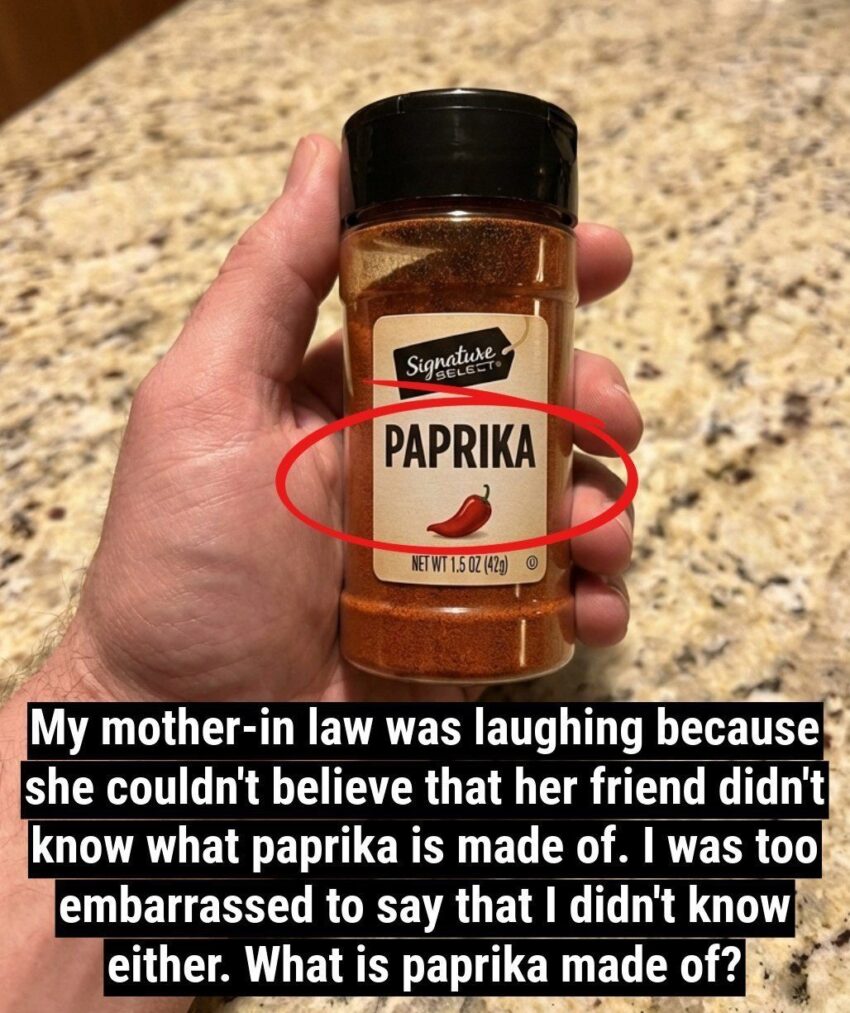
People Still Don’t Realize What Paprika Is Made From (And It’s Surprisingly Simple)
Paprika is more than just a red spice—learn what it’s made from, how it’s processed, its health benefits, and why it’s so widely misunderstood.
You’ve seen it a thousand times.
Sprinkled over deviled eggs. Dusting fried potatoes. Sitting quietly in spice racks across American kitchens.
Paprika looks simple—but surprisingly, a lot of people still don’t actually know what it is made from.
Some assume it’s a mix of spices. Others think it’s just “red powder seasoning.”
The truth is much simpler—and more interesting.
Let’s clear up the confusion and break down what paprika really is, how it’s made, and why it shows up in so many foods you already eat.
So… What Is Paprika Made From?
Paprika is made from dried and ground peppers.
Specifically:
Sweet or mild varieties of red chili peppers (Capsicum annuum)
That’s it.
No artificial coloring. No spice blend. No mystery ingredients.
Just dried peppers ground into a fine red powder.
Why People Get Confused
Paprika’s flavor can vary widely depending on the type:
- Sweet paprika → mild and slightly earthy
- Smoked paprika → deep, smoky flavor
- Hot paprika → spicy and sharp
Because of these variations, many people assume it’s a mix of different spices.
But it’s actually just different types of the same plant, prepared differently.
Where Paprika Comes From
Paprika has deep roots in Central and Eastern Europe, especially in:
- Hungary
- Spain
Hungary is famous for its rich, sweet paprika varieties, while Spain is known for its smoked version.
In fact, paprika is a key ingredient in traditional dishes like:
- Goulash
- Paella
- Stews and soups
How Paprika Is Made (Step-by-Step)
The process is simple but precise:
1. Harvesting Peppers
Red chili peppers are picked when fully ripe.
2. Drying
The peppers are dried to remove moisture.
This can be done:
- Naturally (sun-drying)
- Or through controlled drying methods
3. Grinding
Dried peppers are ground into a fine powder.
4. Sorting and Blending
Different varieties may be blended depending on flavor profile.
Types of Paprika You’ll See in Stores
Sweet Paprika
- Mild flavor
- Most common in U.S. supermarkets
Smoked Paprika
- Made from smoked-dried peppers
- Rich, smoky taste
Hot Paprika
- Contains spicier pepper varieties
- Adds heat to dishes
Is Paprika Spicy?
It depends.
Most paprika sold in the U.S. is mild or sweet, meaning:
- No significant heat
- Mostly flavor and color
But hot versions can add noticeable spice.
Nutritional Benefits of Paprika
Paprika isn’t just for flavor—it also contains beneficial plant compounds.
It contains:
- Vitamin A (from carotenoids)
- Antioxidants
- Capsaicin (in spicy versions)
These compounds may support:
- Eye health
- Immune function
- Anti-inflammatory responses
Why Paprika Is So Popular in American Cooking
In the United States, paprika is widely used because it:
- Adds color without overpowering flavor
- Works in both hot and cold dishes
- Enhances presentation of food
It’s especially common in:
- Potato salad
- Roasted vegetables
- Meat rubs
- Deviled eggs
Real-Life Kitchen Insight
A home cook in Texas might use paprika daily without realizing it’s just dried peppers.
It’s one of those spices that quietly improves:
- Flavor depth
- Visual appeal
- Overall dish balance
Without stealing attention from other ingredients.
Common Misconceptions About Paprika
Myth 1: It’s a spice blend
❌ False — it’s made from peppers only
Myth 2: It’s always spicy
❌ Most varieties are mild
Myth 3: It has no nutritional value
❌ It contains antioxidants and vitamins
How to Store Paprika Properly
To keep flavor fresh:
- Store in a cool, dark place
- Keep container tightly sealed
- Avoid moisture exposure
Over time, paprika loses color and aroma if not stored properly.
Pros and Cons of Using Paprika
Pros
- Adds color and flavor easily
- Versatile in cooking
- Available in mild and spicy forms
- Long shelf life
Cons
- Loses potency over time
- Quality varies by brand
- Can be confusing due to different types
Expert Insight
Culinary experts often describe paprika as a “foundation spice”—not because it dominates flavor, but because it enhances everything around it.
It’s subtle, flexible, and widely adaptable in global cuisine.
FAQs (People Also Ask Style)
1. Is paprika just red pepper powder?
Yes, it is made from dried red peppers.
2. Is paprika spicy?
Usually no—most versions are mild.
3. What is smoked paprika?
Paprika made from smoked dried peppers.
4. Is paprika healthy?
It contains antioxidants and vitamins, especially vitamin A.
5. Can I substitute chili powder for paprika?
Not exactly—chili powder is usually a spice blend.
6. Does paprika expire?
It doesn’t spoil quickly but loses flavor over time.
7. Why is paprika red?
Because it comes from red ripe peppers.
8. Is paprika used worldwide?
Yes, especially in European and American cooking.
9. Can paprika burn like chili powder?
Hot paprika can be spicy, but most are mild.
10. What foods use paprika most?
Eggs, meats, potatoes, and stews.
Action Checklist
- ✔ Store paprika properly
- ✔ Try different types (sweet, smoked, hot)
- ✔ Use it for color and flavor balance
- ✔ Check freshness regularly
- ✔ Experiment in everyday cooking
Paprika isn’t mysterious—it’s actually one of the simplest spices in your kitchen.
Made from dried red peppers, it’s valued not for complexity, but for its versatility.
It enhances color, adds subtle flavor, and quietly improves countless dishes without overpowering them.
Paprika is just dried peppers—but the way it transforms food is anything but ordinary.
Simple ingredients often make the biggest difference in cooking.