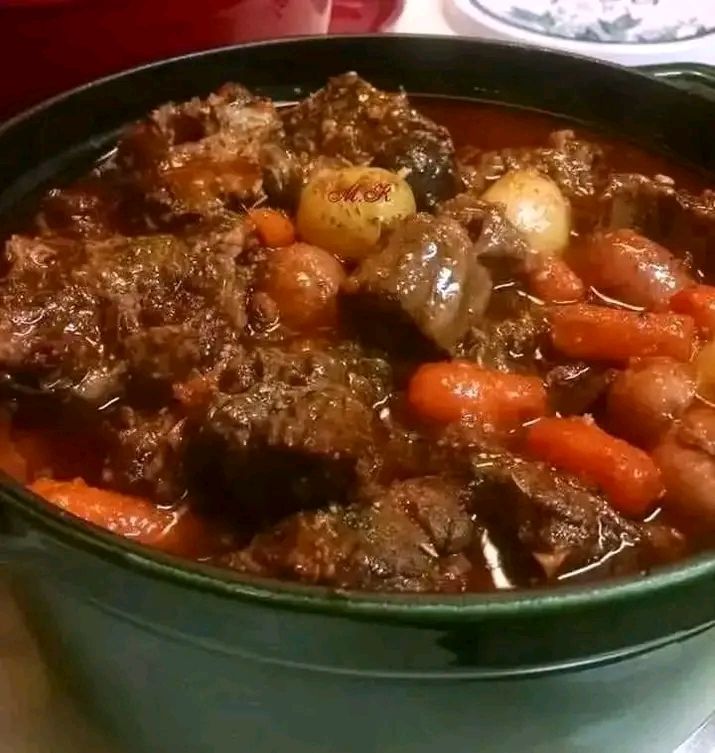
Old Fashioned Beef Stew (Slow-Simmered Comfort in a Bowl 🍲)
There’s a certain smell that only old fashioned beef stew can create.
It’s not loud or flashy. It doesn’t rush into your kitchen like fast food or quick stir-fries. Instead, it slowly builds—hour by hour—until the whole house feels warm, cozy, and a little quieter than before.
It starts with beef browning in a pot. Then onions softening. Then carrots, potatoes, and herbs joining in. And somewhere along the way, water and broth transform into something richer than you expected.
I still remember the first time I made it properly.
I thought I was just making “a simple stew.” But after letting it simmer slowly, everything changed. The beef turned so tender it practically fell apart when touched. The potatoes absorbed the broth like they had been waiting for it. And the sauce… thick, deep, and savory… tasted like it had been cooking for years instead of hours.
That’s the magic of old fashioned beef stew.
It doesn’t just fill your stomach.
It fills the whole house with comfort.
Why You’ll Love This Old Fashioned Beef Stew
This is one of those recipes that never goes out of style.
- 🍲 Deep, rich, slow-cooked flavor
- 🥩 Tender beef that melts in your mouth
- 🥕 Simple, wholesome vegetables
- 🥘 One-pot meal (less cleanup, more comfort)
- 💰 Budget-friendly ingredients
- ❄️ Perfect for meal prep and freezing
- 👨👩👧 Family-friendly and filling
It’s the definition of “simple done right.”
Ingredients (With Exact Measurements)
Serves: 6
Prep Time: 20 minutes
Cook Time: 2.5–3 hours
Main Ingredients
- Beef chuck (cut into cubes) – 1 kg (2.2 lbs / 35 oz)
- Potatoes (peeled, cubed) – 4 medium (600 g / 1.3 lbs)
- Carrots (sliced) – 3 large (300 g / 10 oz)
- Onion (chopped) – 2 large (300 g / 10 oz)
- Garlic (minced) – 4 cloves (12 g / 0.4 oz)
Cooking Base
- Olive oil – 3 tbsp (45 ml / 1.5 fl oz)
- Tomato paste – 2 tbsp (30 g / 1 oz)
- Beef broth – 5 cups (1.2 liters / 40 fl oz)
- Water (if needed) – 1 cup (240 ml / 8 fl oz)
Seasoning
- Salt – 2 tsp (12 g)
- Black pepper – 1 tsp
- Paprika – 1 tsp
- Dried thyme – 1 tsp
- Bay leaves – 2
- Worcestershire sauce – 1 tbsp (15 ml)
Optional Add-ins
- Peas – 1 cup (150 g)
- Mushrooms – 200 g (7 oz)
Healthy Substitutes
- Sweet potatoes instead of white potatoes
- Low-sodium broth
- Lean beef cuts for lower fat
Nutritional Information (Per Serving)
Approximate values:
- Calories: 470 kcal
- Protein: 34 g
- Carbohydrates: 32 g
- Fats: 22 g
- Fiber: 5 g
Nutritional Highlights
- High in protein and iron
- Rich in vitamin A (carrots)
- Good source of potassium (potatoes)
- Contains B vitamins and zinc
Diet Type:
✔ High-protein
✔ Naturally gluten-free
❌ Not keto (due to potatoes)
Kitchen Tools Needed
- Large heavy pot or Dutch oven
- Sharp knife
- Cutting board
- Wooden spoon
- Ladle
- Stove
Step-by-Step Preparation (Slow, Deep Flavor Cooking)
Step 1: Brown the beef (15 minutes)
Heat olive oil in a large pot over medium-high heat.
Add beef in batches and brown on all sides.
👉 Don’t overcrowd the pan—this step builds deep flavor.
Step 2: Sauté aromatics (10 minutes)
Add onions and cook until soft and slightly golden.
Add garlic and stir until fragrant.
Step 3: Build the base (5 minutes)
Stir in tomato paste, paprika, salt, pepper, thyme, and Worcestershire sauce.
Cook for 1–2 minutes to deepen flavor.
Step 4: Add broth and simmer (1.5–2 hours)
Pour in beef broth and add bay leaves.
Bring to a gentle boil, then reduce heat to low.
Cover and simmer slowly.
👉 Beef should gradually become fork-tender.
Step 5: Add vegetables (30–40 minutes)
Add carrots and potatoes.
Continue simmering until vegetables are soft and flavorful.
👉 Texture cue: potatoes should be tender but not falling apart.
Step 6: Final thickening (10–15 minutes)
Remove lid and let stew simmer uncovered to thicken slightly.
👉 The broth should become rich and coat the spoon lightly.
Expert Tips & Common Mistakes
✔ Do this:
- Use beef chuck for best tenderness
- Brown meat properly for deeper flavor
- Cook low and slow for best results
- Let stew rest before serving
❌ Avoid this:
- Don’t rush cooking time
- Don’t cut vegetables too small
- Don’t skip browning beef
- Don’t over-stir once simmering starts
Variations & Customizations
🌶 Spicy Version
- Add chili flakes or cayenne pepper
- Use spicy paprika
- Add hot sauce at the end
🥗 Healthier Version
- Use lean beef
- Add more vegetables (zucchini, celery, peas)
- Replace potatoes with sweet potatoes
🍄 Mushroom Beef Stew
- Add extra mushrooms for earthy flavor
- Reduce potatoes slightly for lighter version
👶 Kid-Friendly Version
- Reduce pepper and spices
- Add a touch of sweetness with carrots
- Keep broth mild and smooth
Storage & Reheating
Fridge:
- Store in airtight container
- Lasts 3–4 days
Freezer:
- Freeze for up to 3 months
- Best stored with broth to prevent dryness
Reheating:
- Stovetop: low heat with a splash of water/broth
- Microwave: quick option
- Oven: covered at 160°C for best texture
👉 Flavor gets even better the next day.
Serving Suggestions
Old fashioned beef stew is hearty on its own, but pairs beautifully with:
- Crusty bread 🍞
- Mashed potatoes 🥔
- Steamed rice 🍚
- Buttered noodles 🍝
- Simple green salad 🥗
- Warm biscuits 🫓
It’s the kind of meal made for cold nights, family tables, and second servings.
FAQs
1. What cut of beef is best for stew?
Beef chuck is ideal because it becomes tender with slow cooking.
2. Can I make beef stew in a slow cooker?
Yes—cook on LOW for 7–8 hours or HIGH for 4–5 hours.
3. Why is my beef tough?
It likely needs more time—beef stew improves with slow cooking.
4. Can I thicken the stew?
Yes—remove lid and simmer or add a cornstarch slurry.
5. Can I skip potatoes?
Yes, replace with carrots, mushrooms, or turnips.
6. Can I make it ahead of time?
Absolutely—it tastes even better the next day.
7. Can I freeze beef stew?
Yes, it freezes very well for up to 3 months.
Old fashioned beef stew isn’t about speed.
It’s about patience. About letting simple ingredients slowly turn into something rich, deep, and comforting. It’s the kind of recipe that reminds you that good food doesn’t need shortcuts—just time.
If you make this stew, don’t rush it. Let it simmer gently. Let the beef soften, the vegetables absorb flavor, and the broth develop depth.
And when you finally sit down with a warm bowl in your hands, you’ll understand why this dish has been loved for generations.
Because some meals don’t just feed you.
They stay with you.