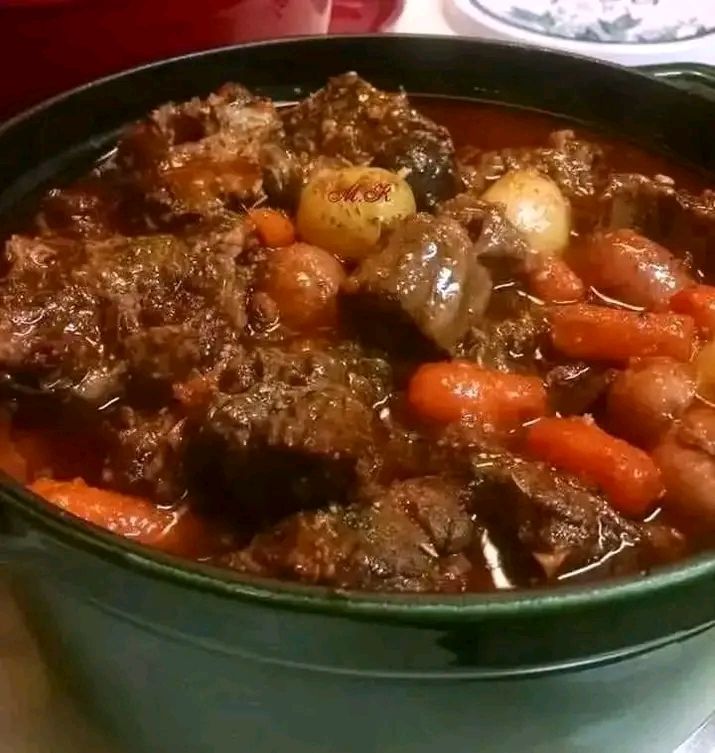
Old Fashioned Beef Stew 🥩🥕🍲
A Slow-Simmered Comfort Classic Full of Deep, Rich Flavor
There are meals that feed you… and then there are meals that feel like they’re taking care of you.
Old Fashioned Beef Stew belongs to the second kind.
It starts with something simple: chunks of beef, a few humble vegetables, and a pot on the stove. But as the hours pass, something magical happens. The kitchen fills with the deep aroma of slow-cooked beef, sweet carrots, earthy potatoes, garlic, and herbs that melt into a rich, savory broth.
You don’t rush this dish. You let it happen.
And when you finally lift the lid, the stew has transformed—thick, glossy, and deeply flavorful. The beef is so tender it falls apart with a spoon. The vegetables are soft but still hold their shape, soaking up every bit of that rich broth.
One spoonful and it feels like home… even if you’ve never had it before.
Why You’ll Love This Recipe
- Incredibly rich, slow-cooked flavor
- Fall-apart tender beef every time
- One-pot meal = easy cleanup
- Budget-friendly, simple ingredients
- Perfect for cold weather comfort food
- Meal-prep friendly and even better the next day
- Family-approved classic recipe
Ingredients (With Exact Measurements)
Main Ingredients:
- 1 kg (2.2 lbs) beef chuck, cut into 1.5-inch cubes
- 2 tbsp (30 ml) olive oil
- 1 large onion, chopped (150 g / 1 cup)
- 3 cloves garlic, minced (10 g / 2 tsp)
- 3 medium carrots, sliced (200 g / 1.5 cups)
- 3 medium potatoes, cubed (400 g / 3 cups)
- 2 celery stalks, chopped (100 g / 1 cup)
- 2 tbsp (16 g) all-purpose flour
- 2 tbsp (30 g) tomato paste
- 4 cups (950 ml) beef broth
- 1 cup (240 ml) water
- 2 bay leaves
- 1 tsp dried thyme
- 1 tsp dried rosemary
- 1 tsp salt (adjust to taste)
- ½ tsp black pepper
Optional Add-Ins:
- 1 tsp Worcestershire sauce (adds depth)
- 1 tsp smoked paprika
- 1 cup (150 g) peas (added at end)
- Mushrooms for extra earthiness
Healthy Substitutes:
- Use sweet potatoes instead of regular potatoes
- Choose low-sodium broth
- Replace flour with cornstarch slurry (gluten-free option)
- Add extra vegetables for a lighter stew
Nutritional Information (Per Serving)
(Approx. 6 servings)
- Calories: 400 kcal
- Protein: 35 g
- Carbohydrates: 32 g
- Fats: 18 g
- Fiber: 5 g
Vitamins & Minerals:
- High in iron, zinc, potassium, and vitamin B12
- Carrots provide beta-carotene (vitamin A)
- Beef supports muscle health and energy
Dietary Notes:
- ✔ High-protein
- ✔ Gluten-free option available
- ❌ Not vegan
- ❌ Not keto
Kitchen Tools Needed
- Large heavy pot or Dutch oven
- Wooden spoon
- Sharp knife
- Cutting board
- Measuring cups and spoons
- Ladle
Step-by-Step Preparation (Detailed)
Step 1: Prep the Beef (10 minutes)
Pat beef dry with paper towels and cut into even chunks.
Season lightly with salt and pepper.
Pro Tip: Dry beef = better browning = richer flavor.
Step 2: Sear the Beef (10–12 minutes)
Heat olive oil in a large pot over medium-high heat.
Sear beef in batches until browned on all sides.
Remove and set aside.
Step 3: Build the Flavor Base (5–7 minutes)
In the same pot, add onion, carrots, and celery.
Sauté until softened, then add garlic and cook for 1 more minute.
Step 4: Add Tomato Paste & Flour (3–4 minutes)
Stir in tomato paste and flour.
Cook for 1–2 minutes to remove raw flour taste.
This step helps thicken the stew later.
Step 5: Add Liquid & Herbs (5 minutes)
Slowly pour in beef broth and water, stirring to combine.
Return beef to the pot.
Add bay leaves, thyme, rosemary, salt, and pepper.
Step 6: Slow Simmer (1.5–2 hours)
Bring to a gentle boil, then reduce heat to low.
Cover and simmer for 90–120 minutes.
What to look for: Beef should become fork-tender and broth should thicken naturally.
Step 7: Add Potatoes (30–40 minutes before end)
Add potatoes and continue simmering until soft but not mushy.
Step 8: Final Add-Ins & Taste Adjustment
Add peas (if using) in the last 5–10 minutes.
Adjust seasoning with salt and pepper.
Remove bay leaves before serving.
Expert Cooking Tips & Mistakes to Avoid
Tips:
- Sear beef for deep, rich flavor
- Cook low and slow for tender meat
- Cut vegetables evenly for consistent texture
- Let stew rest before serving for better flavor
Mistakes:
- ❌ Skipping searing → flat flavor
- ❌ Boiling too hard → tough meat
- ❌ Adding potatoes too early → mushy texture
- ❌ Under-seasoning → bland stew
Variations & Customizations
🌶 Spicy Version:
- Add chili flakes or cayenne pepper
- Use smoked paprika for depth
🥗 Healthier Version:
- Add extra vegetables like zucchini or green beans
- Use lean beef cuts
- Replace potatoes with cauliflower
🧒 Kid-Friendly Version:
- Cut vegetables smaller
- Slightly sweeter broth with extra carrots
- Mild seasoning only
Storage & Reheating Instructions
Refrigerator:
- Store in airtight container for up to 4–5 days
Freezer:
- Freeze for up to 3 months
Reheating:
- Stovetop (best): Heat slowly with a splash of broth
- Microwave: Heat in intervals, stirring occasionally
Pro Tip: Stew thickens in the fridge—add liquid when reheating.
Serving Suggestions
Old Fashioned Beef Stew pairs beautifully with:
- Crusty bread or dinner rolls
- Mashed potatoes
- Buttered noodles
- Steamed rice
- Fresh green salad
- Pickled vegetables for contrast
Serve hot in deep bowls for the ultimate comfort experience.
FAQs
1. What cut of beef is best?
Beef chuck is ideal because it becomes tender during slow cooking.
2. Can I make this in a slow cooker?
Yes—cook on LOW for 7–8 hours or HIGH for 4–5 hours.
3. Why is my beef tough?
It likely needs more cooking time—low and slow is key.
4. Can I thicken the stew more?
Yes—use a cornstarch slurry or simmer uncovered.
5. Can I freeze beef stew?
Absolutely, it freezes very well.
6. Do I have to sear the beef?
Not mandatory, but strongly recommended for deeper flavor.
7. Can I make it ahead of time?
Yes—and it tastes even better the next day.
Old Fashioned Beef Stew is more than just a recipe—it’s a reminder that the best food doesn’t need to be complicated. It just needs time, patience, and a few simple ingredients that come together in the most comforting way.
If you make it, don’t be surprised if it becomes your go-to dish for cold days, quiet evenings, and family dinners that linger a little longer than usual.
Try it, share it, and enjoy every rich, hearty spoonful—because some recipes don’t just fill your stomach… they stay with you.