Nail Lines: What They Can Reveal About Your Health (A Dermatology-Informed Guide You Shouldn’t Ignore)
Discover what vertical and horizontal nail lines may reveal about your health, from nutrient deficiencies to aging changes and when to see a doctor.
Most people look at their nails for one reason — appearance. A fresh manicure, a clean trim, maybe a quick glance to check for dirt.
But in clinical medicine, nails tell a much deeper story.
As a doctor once quietly explained during a routine checkup, “Your nails are like a slow-moving health diary.” Unlike skin or hair, nails don’t change overnight. They grow gradually, reflecting what’s happening inside the body over weeks and even months.
That’s why subtle features like lines, ridges, or grooves in the nails often catch the attention of healthcare professionals.
Sometimes, these lines are harmless — a natural part of aging or minor trauma. Other times, they can offer early clues about nutritional status, circulation, or underlying health conditions.
This article breaks down what different types of nail lines may indicate, what is normal, and when it may be worth paying closer attention — all in a clear, practical, and medically informed way for readers in the United States.
Why Nail Health Matters More Than Most People Realize
In dermatology and primary care, nails are considered an extension of skin health. They are influenced by:
- Nutrition
- Blood circulation
- Hormonal balance
- Aging processes
- Chronic health conditions
According to dermatology references from institutions like the American Academy of Dermatology (AAD), nail changes alone are rarely diagnostic — but they can serve as important clinical clues when viewed in context.
Think of nails as “supporting signals,” not standalone diagnoses.
Types of Nail Lines and What They May Mean
Not all nail lines are the same. The direction, depth, and pattern matter significantly.
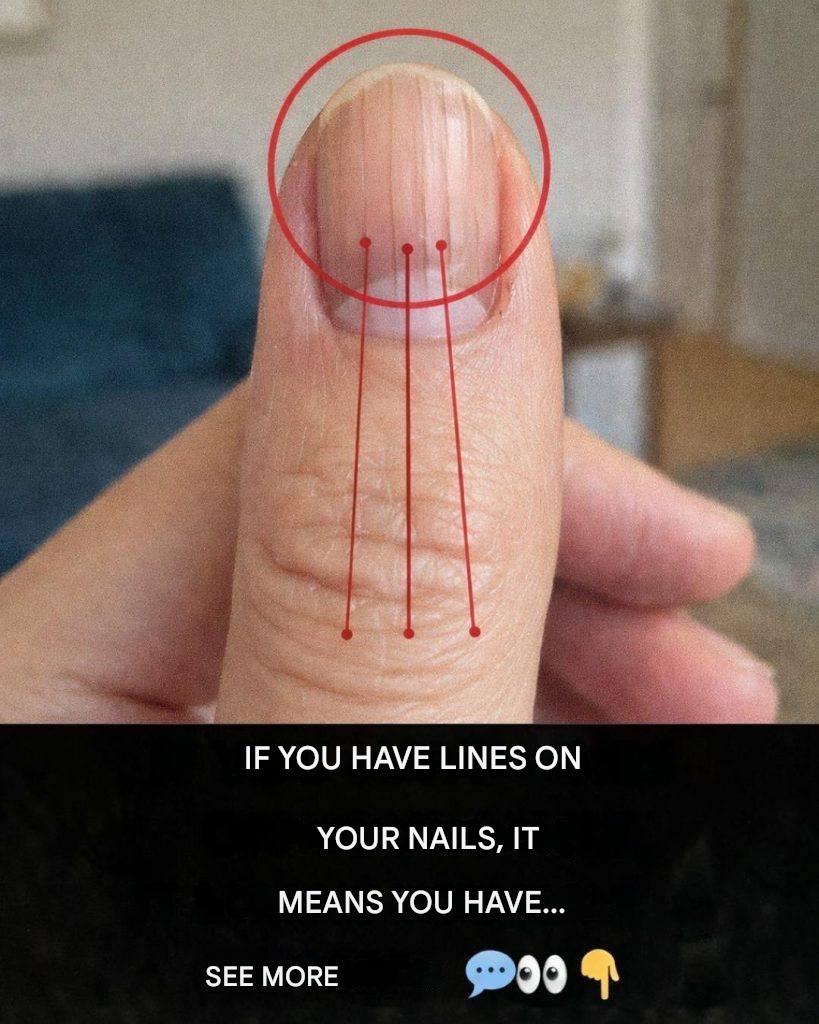
1. Vertical Nail Ridges (Most Common and Usually Harmless)
These are thin lines running from the base of the nail to the tip.
What they often mean:
- Natural aging process
- Slower cell turnover in nail growth
- Mild dehydration of the nail plate
In the United States, this is especially common in:
- Adults over 40
- People with frequent hand washing or sanitizer use
- Individuals with dry climates or low humidity exposure
Important takeaway:
Vertical ridges alone are usually not a sign of disease.
They are similar to wrinkles on skin — a normal part of aging.
2. Horizontal Nail Lines (Beau’s Lines — More Clinically Significant)
These are deeper, horizontal grooves across the nail.
Possible causes include:
- Severe illness or infection
- High fever episodes
- Major physical stress or surgery
- Uncontrolled diabetes
- Nutritional deficiencies
- Chemotherapy or certain medications
Why doctors pay attention:
Horizontal lines can indicate that nail growth temporarily stopped due to a systemic stressor.
Since nails grow slowly, these lines may reflect an event that happened weeks or months earlier.
3. White Lines or Bands
These can appear as faint streaks or more visible bands.
Possible explanations:
- Minor trauma to the nail
- Zinc or protein deficiency (in some cases)
- Normal variation in nail structure
In many cases, these are benign and temporary.
4. Dark Lines in Nails (Needs Attention)
Dark brown or black streaks should never be ignored.
Potential causes include:
- Trauma (like hitting the nail)
- Pigmentation changes
- Rarely, melanoma under the nail (subungual melanoma)
Red flags include:
- Lines that widen over time
- Changes in color or shape
- Pigment spreading onto surrounding skin
If this appears, dermatological evaluation is important.
5. Pitting or Irregular Nail Texture
Although not strictly “lines,” nail surface changes often appear alongside ridging.
Associated with:
- Psoriasis
- Eczema
- Autoimmune conditions
These conditions affect skin cell turnover and can extend to nail growth.
Why Nail Changes Happen in the First Place
Nails grow from a structure called the nail matrix, located under the cuticle.
Anything affecting this growth center can alter how nails form.
Common influencing factors:
- Nutrient intake
- Blood flow to fingers
- Stress on the body
- Chronic illness
- Medication effects
- Age-related slowing of cell production
In simple terms:
If the body experiences stress, the nails often record it — slowly and visibly.
Nail Lines and Nutrition: What the Science Suggests
While nail changes are not a direct diagnostic tool for deficiencies, nutrition plays a supportive role in nail health.
Nutrients commonly associated with nail integrity:
- Protein (keratin structure)
- Biotin (B7)
- Iron (oxygen transport)
- Zinc (cell repair)
- Magnesium (cell function support)
A balanced diet in the U.S. typically provides these nutrients, but restrictive diets or absorption issues can sometimes contribute to changes.
Real-World Scenario: What Doctors Often See
A patient in their late 50s visits a clinic in California noticing faint ridges and horizontal lines on several nails.
At first, there is concern about serious illness.
After evaluation, the likely explanation is simpler:
- A recent hospitalization with fever
- Temporary interruption in nail growth
- Normal aging changes contributing to ridging
No severe disease is found — but the nails provide a helpful timeline of recent health stress.
This is why clinicians value nail observations: they provide context, not conclusions.
When Nail Lines Are Normal vs. When They Need Attention
Usually Normal:
- Light vertical ridges
- Mild texture changes with age
- Temporary white lines after minor trauma
Worth Checking:
- Deep horizontal grooves
- Sudden changes in multiple nails
- Pain, swelling, or discoloration
- Dark streaks that change over time
Common Mistakes People Make
1. Self-diagnosing serious illness immediately
Most nail changes are benign.
2. Ignoring persistent changes
Long-term or worsening changes should be evaluated.
3. Overusing supplements unnecessarily
Not all nail changes are caused by deficiencies.
4. Cosmetic masking without understanding cause
Polish may hide symptoms that need attention.
Expert Tips for Healthier Nails
- Keep nails moisturized (especially in dry U.S. climates)
- Avoid excessive chemical exposure
- Maintain balanced nutrition
- Protect hands during cleaning or manual work
- Monitor changes over time rather than daily
What Dermatology Experts Emphasize
Specialists consistently highlight one key point:
Nail changes must always be interpreted in context with overall health.
A nail alone rarely tells the full story — but it can prompt valuable investigation when combined with other symptoms.
Future Outlook: Nail Health in Preventive Medicine
In modern U.S. healthcare trends, there is growing interest in:
- Digital nail imaging for early detection
- AI-assisted dermatology screening tools
- Integration of nail monitoring into telehealth
- Preventive health tracking using visible biomarkers
Nails may become part of broader non-invasive health screening in the future.
FAQs (People Also Ask Style)
What do vertical lines on nails mean?
They are usually harmless and related to aging or minor dehydration.
Are nail ridges a sign of vitamin deficiency?
Sometimes, but most cases are not linked to deficiency.
What are horizontal lines in nails called?
They are called Beau’s lines and may reflect past physical stress.
Should I worry about nail ridges?
Only if they change suddenly or are accompanied by other symptoms.
Can stress affect nails?
Yes, severe stress can temporarily interrupt nail growth.
Do nail changes indicate serious disease?
Rarely on their own — context is essential.
How can I improve nail health?
Balanced diet, hydration, and nail protection help significantly.
Your nails are not just cosmetic features — they are quiet record-keepers of your body’s internal rhythm. While most nail lines are harmless and often part of natural aging, they can sometimes reflect deeper changes worth paying attention to.
The key is not fear, but awareness.
When you understand what your nails are trying to show, you become better equipped to care for your overall health — calmly, confidently, and proactively.
If you notice changes, observe them, track them, and when needed, seek professional guidance. Your body often speaks softly long before it speaks loudly.
Most nail lines are normal and harmless, but certain patterns — especially horizontal or changing dark lines — can sometimes signal underlying health changes. Awareness, not alarm, is the best approach to nail health.If this helped you understand your nail health better, share it with someone who might find it useful, leave a comment with your experience, or explore more health insights to stay informed and proactive.