Latest Research Explains Why These Spots Appear on Your Hands (And When You Should Pay Attention)
Wondering why spots appear on your hands? Learn what causes age spots, when they’re harmless, and when to see a doctor.
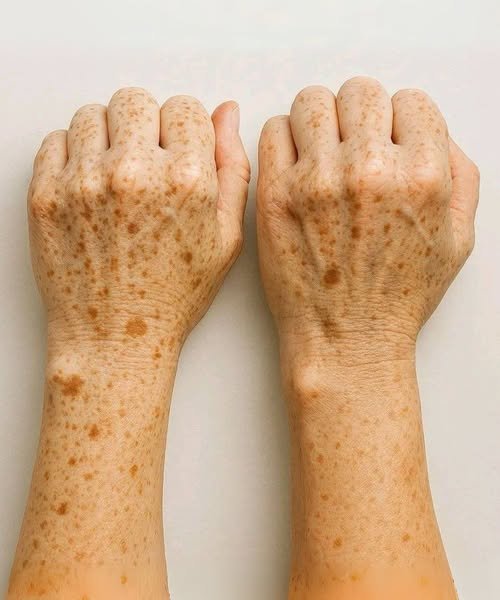
You notice them one day—small brown spots on the back of your hands.
At first, they seem harmless. Maybe just part of aging.
But then questions start creeping in:
- Why did they appear now?
- Are they a sign of something deeper?
- Should you be concerned?
Here’s the truth: most of the time, these spots are completely harmless. But in some cases, they can signal changes in your skin that deserve attention.
Let’s break down what latest research and dermatology experts actually say—without the hype or fear.
What Are These Spots on Your Hands?
The most common cause is something called:
Age spots
Also known as liver spots or solar lentigines, these are:
- Flat, brown, gray, or black spots
- Usually found on sun-exposed areas
- Common after age 40
They’re not dangerous—but they do tell a story about your skin.
The Real Cause: Years of Sun Exposure
Despite what viral posts claim, these spots don’t suddenly appear because of one internal issue.
They develop gradually due to:
- Long-term UV exposure
- Cumulative skin damage
- Reduced skin regeneration with age
Organizations like American Academy of Dermatology confirm that sun exposure is the primary cause.
Why Hands Are One of the First Places
Your hands are constantly exposed to sunlight:
- Driving
- Walking outdoors
- Daily activities
Unlike your face, they’re often:
- Less protected
- Less moisturized
- More exposed over time
That’s why spots commonly show up there first.
What Latest Research Actually Shows
Recent dermatology insights highlight a few key points:
1. It’s About Cumulative Damage
UV rays trigger melanin production. Over time, this pigment clusters into visible spots.
2. Aging Skin Repairs Slower
As skin ages:
- Cell turnover slows
- Damage accumulates
- Pigmentation becomes uneven
3. Genetics Play a Role
Some people are simply more prone to developing these spots than others.
Common Myths (That Need Clearing Up)
Myth: “They appear because of liver problems”
This is a widespread misconception.
Age spots are not directly linked to liver function.
Myth: “They mean you’re unhealthy”
In most cases, they’re purely cosmetic.
Myth: “They can’t be prevented”
While you can’t undo past exposure, you can slow future development.
When Should You Take It Seriously?
Most spots are harmless—but some changes shouldn’t be ignored.
Watch for:
- Rapid growth
- Irregular borders
- Multiple colors
- Bleeding or itching
These could be signs of something more serious, such as:
Melanoma
If you notice these changes, consult a healthcare professional promptly.
How to Reduce or Prevent Hand Spots
1. Use Sunscreen Daily
Even on your hands.
- SPF 30 or higher
- Reapply after washing
2. Moisturize Regularly
Healthy skin repairs better and looks more even.
3. Wear Protective Clothing
- Gloves when driving or outdoors for long periods
- Long sleeves when possible
4. Avoid Excessive Sun Exposure
Especially during peak UV hours.
Can You Fade Existing Spots?
Yes, to some extent.
Options include:
- Over-the-counter creams
- Professional treatments (like laser therapy or chemical peels)
Always consult a dermatologist before starting treatment.
Real-Life Scenario
A 62-year-old noticed increasing spots on her hands and worried it was a health issue.
After a dermatology visit, she learned:
- The spots were benign age spots
- Years of sun exposure were the cause
With regular sunscreen use and skincare adjustments, she prevented new spots and improved skin appearance.
Pros and Cons of Treating Them
Pros
- Improved skin appearance
- Increased confidence
- Prevents further damage
Cons
- Treatments can take time
- Some options may be costly
- Results vary
Common Mistakes to Avoid
- Ignoring sunscreen on hands
- Using harsh or unverified home remedies
- Assuming all spots are harmless without checking
- Expecting instant results
Expert Insight
Dermatologists emphasize one key idea:
Prevention is far more effective than correction.
Once pigmentation sets in, it’s harder to reverse—but easier to manage moving forward.
2026 Trend: Skin Health Over Quick Fixes
There’s a shift toward:
- Long-term skin protection
- Daily SPF use beyond the face
- Preventative care instead of reactive treatments
People are becoming more proactive—not reactive.
FAQs (People Also Ask Style)
1. Are spots on hands dangerous?
Usually no—but changes in appearance should be checked.
2. Can young people get them?
Yes, especially with high sun exposure.
3. Do they go away on their own?
Typically no, but they can fade with treatment.
4. Is sunscreen really necessary on hands?
Yes—it’s one of the most effective prevention methods.
5. Can diet affect these spots?
Diet plays a minor role compared to sun exposure.
6. Are they the same as freckles?
No—freckles can fade, age spots usually don’t.
7. Should I see a doctor for every spot?
Not necessarily—only if there are unusual changes.
8. Can gloves help prevent them?
Yes, especially during prolonged sun exposure.
9. Do creams work?
Some can help lighten spots over time.
10. What’s the biggest risk factor?
Cumulative UV exposure.
Action Checklist
- ✔ Apply sunscreen to your hands daily
- ✔ Monitor spots for changes
- ✔ Moisturize regularly
- ✔ Limit excessive sun exposure
- ✔ Consult a professional if unsure
Those spots on your hands aren’t random—and they’re rarely mysterious.
They’re a visible record of time, sunlight, and how your skin has adapted over the years.
Most of the time, they’re harmless.
But they’re also a reminder to take better care moving forward.
Hand spots are usually caused by sun exposure—not hidden disease.
Protect your skin, stay aware of changes, and focus on prevention over quick fixes.