If Your Hands Are Going Numb, Here’s What It Could Mean (And When to Take It Seriously)
Hand numbness can signal nerve issues, poor circulation, or underlying conditions. Learn the causes, warning signs, and when to seek help.
That “Pins and Needles” Feeling Isn’t Always Harmless
You wake up, shake your hand, and wait for the tingling to fade.
Or maybe it happens while you’re typing, driving, or scrolling your phone—your fingers go numb, and you pause, wondering if it’s something serious.
Most people brush it off.
But here’s the reality: hand numbness can range from completely harmless… to a signal your body is trying to get your attention.
The key is knowing the difference.
In this guide, you’ll learn:
- The most common causes of hand numbness
- What your symptoms might be telling you
- When it’s safe to ignore—and when it’s not
- Practical steps to relieve and prevent it
- Red flags that should never be overlooked
What Does “Numbness” Actually Mean?
When your hands go numb, it’s usually related to your nervous system or blood flow.
You might feel:
- Tingling (“pins and needles”)
- Burning or prickling
- Loss of sensation
- Weakness in your grip
These sensations often involve nerves that run from your neck down to your fingers.
The Most Common Causes of Hand Numbness
Let’s break down the reasons—starting with the most common (and usually harmless).
1. Temporary Pressure on a Nerve
What Happens
This is the classic “slept on your arm wrong” scenario.
Pressure compresses a nerve, disrupting signals temporarily.
Signs
- Numbness that goes away within minutes
- Happens after sleeping or sitting awkwardly
- No lasting pain or weakness
Bottom Line
Harmless and very common.
2. Carpal Tunnel Syndrome
One of the most frequent causes—especially in the U.S., where computer and phone use is high.
What It Is
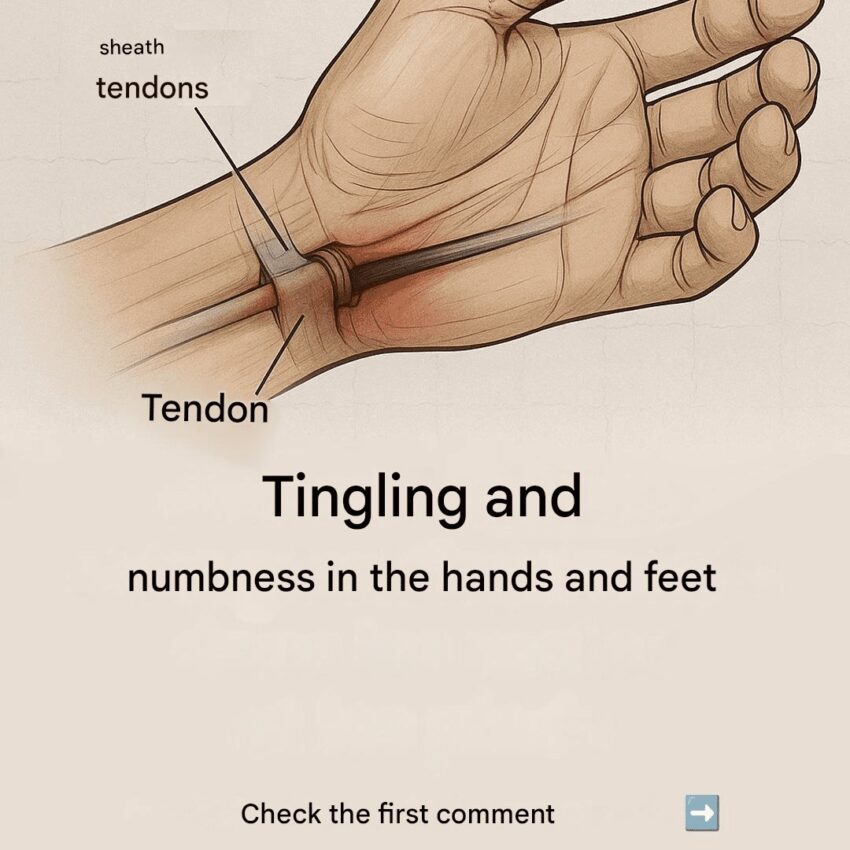
Carpal Tunnel Syndrome occurs when the median nerve is compressed as it passes through the wrist.
Symptoms
- Numbness in thumb, index, and middle fingers
- Tingling at night
- Weak grip strength
- Dropping objects
Who’s at Risk
- Office workers
- Gamers
- Frequent phone users
- People with repetitive hand movements
3. Poor Circulation
What Happens
Reduced blood flow can cause temporary numbness.
Common Triggers
- Sitting or standing too long
- Cold temperatures
- Tight clothing or accessories
When to Watch Closely
If circulation issues happen frequently, it could point to a broader vascular issue.
4. Vitamin Deficiencies
Your nerves rely on nutrients—especially vitamin B12.
What Happens
Low levels can damage nerves over time.
Symptoms
- Persistent tingling
- Fatigue
- Memory issues
- Pale skin
Important Note
This is more common than many people realize—especially in restrictive diets.
5. Neck or Spine Issues
Nerves that control your hands originate in your neck.
Possible Cause
Conditions like a herniated disc can press on those nerves.
Symptoms
- Numbness radiating down the arm
- Neck pain
- Shoulder stiffness
6. Diabetes and Nerve Damage
One of the more serious causes.
What It Is
Diabetic Neuropathy occurs when high blood sugar damages nerves over time.
Signs
- Gradual numbness
- Burning or sharp pain
- Usually starts in feet, then hands
7. Anxiety and Stress
This one surprises people.
How It Works
Stress can trigger:
- Hyperventilation
- Muscle tension
- Altered nerve sensitivity
Result
Temporary tingling or numbness—often in hands and fingers.
8. More Serious (But Less Common) Causes
In rare cases, numbness may be linked to conditions like:
- Multiple Sclerosis
- Stroke
These are not common—but important to recognize.
When Hand Numbness Is a Warning Sign
Most numbness is harmless.
But certain symptoms should never be ignored.
Seek medical attention if you experience:
- Sudden numbness on one side of the body
- Trouble speaking or understanding speech
- Loss of coordination
- Severe weakness
- Numbness that doesn’t go away
- Numbness paired with chest pain
These could signal a medical emergency.
Real-Life Scenario
James, 41, office worker in Chicago
- Started noticing numb fingers at night
- Ignored it for months
- Eventually began dropping objects
Diagnosis: Carpal Tunnel Syndrome
After treatment:
- Adjusted workstation ergonomics
- Used wrist braces
- Took breaks from repetitive tasks
Result: Symptoms improved significantly without surgery.
How to Relieve Hand Numbness at Home
If your symptoms are mild, these strategies can help.
1. Change Your Position
- Avoid leaning on your arms
- Adjust sleeping posture
- Keep wrists neutral while typing
2. Stretch and Move Regularly
Simple exercises can improve nerve function and circulation.
Try:
- Wrist rotations
- Finger stretches
- Shoulder rolls
3. Improve Ergonomics
Set up your workspace properly:
- Keyboard at elbow height
- Wrists straight (not bent)
- Supportive chair
4. Stay Warm
Cold restricts blood flow.
Keep hands warm in cooler environments.
5. Check Your Diet
Ensure adequate intake of:
- Vitamin B12
- Magnesium
- Omega-3 fatty acids
Common Mistakes People Make
1. Ignoring Persistent Symptoms
If it keeps happening, it’s worth investigating.
2. Self-Diagnosing Too Quickly
Not all numbness is carpal tunnel.
3. Overusing Wrist Supports
Helpful short-term—but not a complete solution.
4. Not Addressing Lifestyle Factors
Posture, diet, and stress all play a role.
Expert Tips Most People Don’t Know
- Nighttime numbness often points to nerve compression
- Hydration affects nerve signaling more than expected
- Small ergonomic tweaks can prevent long-term damage
- Early intervention is far easier than late treatment
2026 Health Trends to Watch
- Increased cases of hand numbness due to device overuse
- Growing awareness of nerve health and ergonomics
- Rise in wearable tech monitoring circulation
- More people seeking preventative care instead of reactive treatment
Frequently Asked Questions
1. Is hand numbness always serious?
No. Most cases are temporary and harmless.
2. How long is too long for numbness?
If it lasts more than a few hours or happens repeatedly, get it checked.
3. Can dehydration cause numbness?
Yes—indirectly, by affecting circulation and nerve function.
4. Does typing cause nerve damage?
Over time, repetitive strain can contribute to issues like carpal tunnel.
5. Can anxiety really cause numb hands?
Yes. It’s a common physical symptom of stress.
6. Should I sleep with wrist braces?
Only if recommended—especially for carpal tunnel symptoms.
7. Can exercise help?
Absolutely. Movement improves circulation and nerve health.
8. Is numbness a sign of stroke?
Only if it’s sudden and paired with other symptoms.
9. Can vitamin supplements fix it?
Only if deficiency is the cause.
10. When should I see a doctor?
If symptoms persist, worsen, or interfere with daily life.
Action Checklist
- Notice when numbness occurs
- Adjust posture and sleeping position
- Take breaks from repetitive tasks
- Improve diet and hydration
- Monitor for warning signs
- Seek medical advice if symptoms persis
Hand numbness is common—but it’s not something to ignore completely.
Sometimes it’s just pressure.
Sometimes it’s your body asking for change.
The difference lies in frequency, duration, and accompanying symptoms.
Your body is constantly communicating—you just have to listen.
If your hands are going numb, don’t panic.
But don’t dismiss it either.
Pay attention. Make small changes. Act early if needed.
And if this helped you understand what’s going on, share it with someone who might be dealing with the same thing—or leave a comment with your experience.