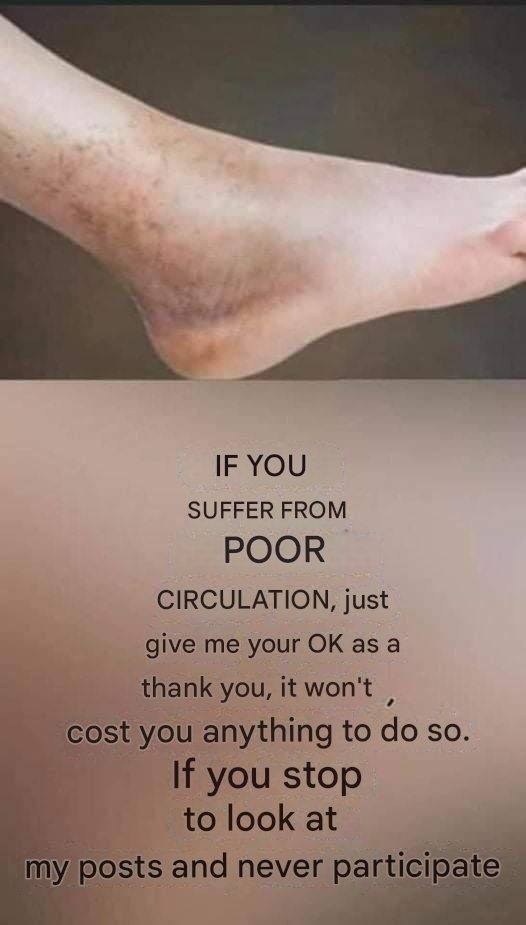
If You Suffer From Poor Circulation and Your Legs Feel Heavy or Numb, Here’s What It Could Mean (And What Actually Helps)
Poor circulation in legs can cause heaviness, numbness, and discomfort. Learn the causes, warning signs, and practical ways to improve blood flow safely.
That strange feeling in your legs is hard to ignore.
Maybe it’s heaviness after sitting too long. Maybe it’s tingling, cold feet, or a “pins and needles” sensation that comes and goes. At first, it feels minor. Easy to brush off.
But when it keeps happening, you start wondering:
Is this just fatigue… or something more?
Poor circulation is more common than many people realize, especially in adults with sedentary lifestyles, long working hours, or underlying health conditions.
The good news? In many cases, circulation issues can be improved with consistent lifestyle changes. But first, it’s important to understand what your body might be signaling.
What Is Poor Circulation?
Poor circulation happens when blood flow is reduced or restricted in certain parts of the body—often the legs and feet.
Your circulatory system is responsible for:
- Delivering oxygen and nutrients
- Removing waste products
- Supporting muscle and nerve health
When blood flow slows down, your legs are often the first place to feel it.
In some cases, circulation problems may be linked to conditions like Peripheral Artery Disease, especially in older adults or people with risk factors such as smoking or diabetes.
Common Signs in Your Legs
If circulation is poor, your legs may show several noticeable symptoms:
1. Heaviness or Fatigue
Your legs feel tired even without much physical activity.
2. Cold Feet or Toes
Reduced blood flow can make extremities feel unusually cold.
3. Tingling or “Pins and Needles”
Nerves may react to reduced oxygen supply.
4. Swelling in Ankles or Feet
Fluid can build up when circulation is inefficient.
5. Cramping or Pain While Walking
Some people experience discomfort after short distances.
6. Slow Healing of Minor Injuries
Cuts or bruises may take longer to recover.
Why Circulation Problems Happen
Several factors can contribute to poor blood flow:
- Long periods of sitting or standing
- Lack of physical activity
- Smoking
- High blood pressure
- Diabetes or metabolic issues
- Aging and reduced vascular elasticity
Often, it’s a combination of lifestyle and health factors.
The “Solution”: What Actually Helps Improve Circulation
There is no single quick fix—but there are proven, practical steps that can significantly improve blood flow over time.
1. Move Your Body Regularly
The simplest and most effective solution is movement.
Try:
- Walking daily (even 20–30 minutes)
- Stretching every hour if you sit long
- Light leg exercises
Movement helps muscles act like a “pump” for blood flow.
2. Elevate Your Legs
Raising your legs above heart level for 10–15 minutes can:
- Reduce swelling
- Improve venous return
- Ease heaviness
This is especially helpful after long days.
3. Stay Hydrated
Blood flow depends on proper hydration.
Dehydration can make blood thicker and circulation less efficient.
4. Improve Diet for Blood Flow
Focus on foods that support vascular health:
- Leafy greens
- Fruits rich in antioxidants
- Healthy fats (like nuts and olive oil)
- Foods high in natural nitrates (like beetroot)
5. Reduce Sitting Time
If your job involves sitting for long hours:
- Stand up every 30–60 minutes
- Do ankle rotations or light stretching
- Walk short distances regularly
6. Gentle Massage
Massaging the legs can help stimulate local blood flow and reduce stiffness.
7. Wear Comfortable Clothing
Tight clothing can restrict circulation, especially around the waist and legs.
8. Manage Underlying Health Conditions
Conditions like diabetes or high blood pressure can significantly impact circulation.
Proper medical management is essential.
Real-Life Scenario
A person working long office hours begins noticing leg heaviness and occasional tingling.
At first, they ignore it. Over time, swelling and discomfort increase.
After introducing daily walking breaks, hydration improvements, and reducing long sitting periods, they notice gradual improvement in symptoms.
The key change wasn’t a single treatment—it was consistent lifestyle adjustment.
Common Mistakes People Make
1. Ignoring Early Symptoms
Mild tingling or heaviness is often dismissed too long.
2. Relying Only on Creams or Quick Fixes
Surface treatments don’t address blood flow issues.
3. Staying Immobile for Long Periods
Stillness is one of the biggest contributors to poor circulation.
4. Self-Diagnosing Serious Conditions
Persistent symptoms should be medically evaluated.
When to See a Doctor
Seek medical advice if you notice:
- Severe leg pain while walking
- Persistent swelling
- Color changes in skin
- Non-healing wounds
- Sudden worsening symptoms
Frequently Asked Questions
1. Is poor circulation dangerous?
It can be if linked to underlying conditions, so it should be monitored.
2. Can exercise improve circulation?
Yes, movement is one of the most effective ways to improve blood flow.
3. Why do my legs feel heavy at night?
It may be due to reduced circulation after long periods of inactivity.
4. Can diet affect circulation?
Yes, healthy foods support vascular function.
5. Is cold feet always a circulation problem?
Not always, but it can be a contributing factor.
6. Can sitting too long cause poor circulation?
Yes, prolonged sitting is a common cause.
7. Does age affect circulation?
Yes, circulation naturally becomes less efficient with age.
8. Can poor circulation be reversed?
In many cases, symptoms can be improved with lifestyle changes.
Action Checklist
- ✔ Move every 30–60 minutes
- ✔ Walk daily
- ✔ Stay hydrated
- ✔ Elevate legs when needed
- ✔ Eat circulation-friendly foods
- ✔ Avoid prolonged sitting
- ✔ Monitor persistent symptoms
Conclusion
Poor circulation in the legs is often a warning sign that your body needs more movement, better habits, or medical attention in some cases.
The encouraging part is that many symptoms improve when you make consistent, simple lifestyle changes.
Your body responds to care over time—not perfection, but steady action.
Better circulation starts with movement, consistency, and awareness—not quick fixes.