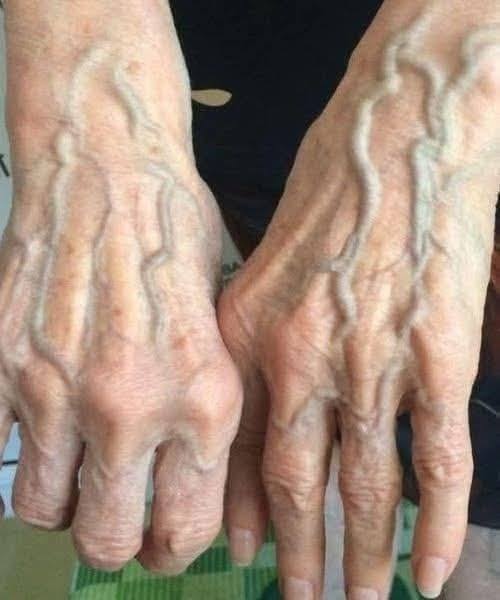
If You Have Visible Veins, It Might Mean This About Your Body: Causes, Myths, and What’s Actually Normal
Visible veins can be linked to fitness, genetics, body fat, temperature, and circulation. Learn what they really mean and when to pay attention.
You look at your hands, arms, or legs and suddenly think:
“Why are my veins so visible?”
For some people, it happens after a workout. For others, it shows up in warm weather or even just as they age. And naturally, it raises curiosity—and sometimes concern.
In the United States, this question is extremely common in health searches because visible veins can look dramatic, even when they’re completely normal.
The truth is simple but often misunderstood:
👉 Visible veins are usually a reflection of how your body is built and how your blood is circulating—not a sign of something automatically wrong.
But they can also reveal interesting things about your lifestyle, fitness level, and body composition.
Let’s break it down in a clear, science-based way.
What Visible Veins Actually Are
Veins are blood vessels that carry blood back to your heart.
You can see them more clearly when:
- The skin is thinner
- There is less fat underneath the skin
- Blood flow increases
- Veins expand closer to the surface
Everyone has veins. The difference is how visible they are.
What It Means If You Have Visible Veins
Visible veins can mean several things—most of them harmless.
1. You Have Low Body Fat
This is one of the most common reasons.
When body fat decreases:
- Veins sit closer to the skin
- They become easier to see
- Muscle definition becomes more visible
This is common in:
- Athletes
- People who have lost weight
- Naturally lean individuals
👉 In fitness culture, this is called “vascularity.”
But it’s not automatically a health marker—it’s mainly a body composition trait.
2. You’ve Just Exercised
After physical activity:
- Blood flow increases
- Muscles demand more oxygen
- Veins expand temporarily
This is called vasodilation.
That “pumped” look after a workout is completely normal and temporary.
3. You Are Naturally Lean or Genetically Prone
Some people are simply born with:
- Thin skin
- Naturally visible veins
- Low fat distribution in limbs
If your parents or siblings have visible veins, genetics may be the reason.
4. You Are Experiencing Heat or Warm Weather
Heat causes blood vessels to expand so the body can cool down.
That’s why you may notice:
- More visible veins in summer
- Prominent veins after hot showers
- Increased visibility during physical heat exposure
5. You May Be Mildly Dehydrated
When hydration levels drop:
- Blood volume decreases
- Skin may appear less plump
- Veins can look more noticeable
Drinking enough water often reduces this effect.
6. You Are Aging Naturally
As people get older:
- Skin becomes thinner
- Collagen decreases
- Fat layer reduces in some areas
This makes veins more visible, especially on hands and arms.
When Visible Veins Are Completely Normal
In most cases, visible veins are:
- Harmless
- Temporary or natural
- Related to body composition or activity
You are more likely to see them if you:
- Exercise regularly
- Have low body fat
- Spend time in warm environments
- Have naturally thin skin
When Visible Veins Might Need Attention
Although usually harmless, there are situations where visible veins can signal a medical issue.
⚠️ Watch for:
- Sudden swelling in one area
- Pain or tenderness in veins
- Veins that feel hard or warm
- Skin discoloration
- Bulging veins that worsen over time
These may be linked to:
- Varicose veins
- Venous insufficiency
- Circulation problems
If symptoms persist, a medical check is recommended.
Common Myths About Visible Veins
❌ Myth 1: Visible veins mean poor health
Not true—most cases are completely normal.
❌ Myth 2: Only athletes have visible veins
False—genetics and body type play a major role.
❌ Myth 3: More veins = better fitness
Not necessarily. Fitness is about strength, endurance, and overall health—not appearance.
Real-Life Example
Two people notice visible veins:
Person A:
- Recently started working out
- Lost some body fat
- Sees veins in arms after exercise
👉 Normal physiological response
Person B:
- Sudden bulging vein in leg
- Pain and swelling present
👉 Needs medical evaluation
Same symptom—different meaning depending on context.
How to Reduce the Appearance of Veins (If You Prefer)
If visible veins make you uncomfortable cosmetically:
✔ Stay hydrated
✔ Maintain balanced nutrition
✔ Avoid extreme heat exposure
✔ Use gentle skin moisturizers
✔ Avoid rapid weight loss
Expert Insight: What Doctors Emphasize
Medical professionals generally agree:
👉 Visible veins are not a disease—they are a physical sign influenced by multiple normal factors.
The key concern is not visibility itself, but changes in pain, swelling, or function.
FAQs (People Also Ask)
1. What does it mean if my veins are very visible?
Usually low body fat, exercise, heat, or genetics.
2. Are visible veins a sign of good health?
Not directly—they are more related to body composition.
3. Why are my veins suddenly more visible?
Common causes include exercise, dehydration, or temperature changes.
4. Do visible veins mean I am fit?
Not necessarily—fitness cannot be judged by veins alone.
5. Can stress make veins more visible?
Yes, stress can affect blood flow and vessel dilation temporarily.
Seeing your veins doesn’t automatically mean something is wrong—or something is especially right.
In most cases, it simply reflects how your body is built, how active you are, and how your circulation responds to daily conditions like heat, exercise, or hydration.
Instead of worrying about visibility alone, it’s more useful to look at the bigger picture: how you feel, your energy levels, and whether there are any unusual symptoms.
Your body is constantly adapting—and visible veins are often just one small part of that normal process.
Visible veins are usually caused by low body fat, exercise, heat, genetics, or aging. In most cases, they are completely normal and not a sign of illness unless accompanied by pain, swelling, or sudden changes.