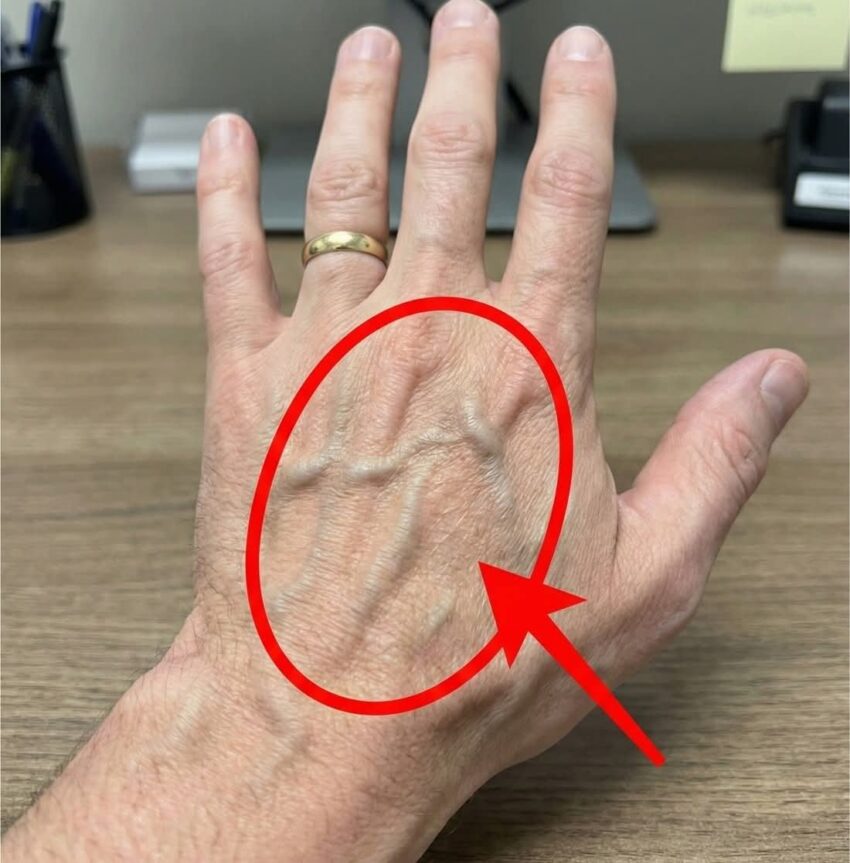
If You Have Visible Veins, It Means You Are…? The Truth Behind Veiny Arms, Hands, and What Your Body Is Actually Showing
Visible veins can signal fitness, genetics, or low body fat—not just one meaning. Learn what veiny arms really say about your health and body.
You catch a glimpse of your hands under bright light… and there they are.
Raised, winding, unmistakable.
Maybe it’s your arms after a workout. Maybe it’s your hands while typing. Or maybe they’ve always been there, and you’ve never quite known what they mean.
Are visible veins a sign of strength? Low body fat? Aging? Good circulation? Something to worry about?
Here’s the honest answer: visible veins don’t point to just one thing. They’re influenced by a mix of biology, lifestyle, and even temporary conditions like temperature or hydration.
In this guide, we’ll break it all down in a clear, practical way—so you can understand what your body is showing without jumping to conclusions.
What Does It Mean to Have Visible Veins?
Visible veins—often called “vascularity”—happen when veins are close enough to the skin’s surface to be seen.
This visibility depends on a few key factors:
- Skin thickness
- Body fat percentage
- Muscle mass
- Genetics
- Blood flow
For some people, veins are naturally more prominent. For others, they become visible under certain conditions—like exercise or heat.
The Most Common Reasons You Have Visible Veins
Let’s break down the real explanations.
1. Low Body Fat
One of the biggest reasons veins become more visible is reduced fat under the skin.
When there’s less fat covering the veins:
- They appear more defined
- They sit closer to the surface
- They become easier to see
This is why athletes, bodybuilders, and very lean individuals often have prominent veins.
But important:
Low body fat doesn’t always mean “healthier”—it depends on context and balance.
2. Increased Muscle Mass
Muscle growth can push veins closer to the skin, making them more noticeable.
This is especially common in:
- Strength training
- Weightlifting
- Physically demanding jobs
As muscles expand, veins get compressed slightly, which can make them pop more visibly.
3. Genetics (The Big One Most People Ignore)
Some people simply have more visible veins—naturally.
You might notice:
- Family members with similar vein patterns
- Visible veins even without exercise
- Prominence in specific areas (hands, forearms, feet)
This is completely normal.
There’s no “hidden meaning” here—just inherited structure.
4. Age and Skin Changes
As you get older:
- Skin becomes thinner
- Collagen decreases
- Fat distribution changes
This makes veins more noticeable, especially in the hands and arms.
That’s why visible veins are more common with age—even in people who never had them before.
5. Temperature and Blood Flow
Ever noticed your veins popping out in hot weather or after a workout?
That’s because:
- Heat causes blood vessels to dilate
- Increased circulation makes veins expand
This is temporary and completely normal.
6. Exercise and Temporary Vascularity
During workouts:
- Blood flow increases
- Muscles swell (the “pump”)
- Veins expand visibly
This effect fades after your body returns to a resting state.
So… Does Having Visible Veins Mean You’re Healthy?
Not automatically.
Here’s a simple breakdown:
| Visible Veins Cause | What It Might Indicate |
|---|---|
| Low body fat | Possibly fitness, but not always |
| High muscle mass | Strength training or activity |
| Genetics | Natural variation |
| Aging | Normal skin changes |
| Heat/exercise | Temporary circulation changes |
Key takeaway:
Visible veins are a physical trait, not a direct measure of health.
When Visible Veins Are a Positive Sign
In some contexts, visible veins can reflect:
- Consistent physical activity
- Good muscle tone
- Efficient circulation
- Low subcutaneous fat levels
For athletes or fitness enthusiasts, vascularity is often seen as a sign of conditioning.
When You Should Pay Attention (Potential Warning Signs)
While most visible veins are harmless, there are situations where you should be more aware.
Watch for:
- Sudden swelling in veins
- Pain, tenderness, or warmth
- Bulging veins that appear twisted (possible varicose veins)
- Skin discoloration around veins
- Veins that become prominent very quickly without reason
If you notice these, it’s worth consulting a healthcare provider.
Common Myths About Visible Veins (Debunked)
Myth 1: “Visible veins mean you’re super healthy”
Not necessarily. They can appear in both healthy and unhealthy individuals.
Myth 2: “Only fit people have visible veins”
Genetics plays a huge role—many non-athletic people have visible veins.
Myth 3: “It means your blood pressure is high”
Visible veins are not a reliable indicator of blood pressure.
Myth 4: “You should try to get veiny”
Chasing vascularity isn’t always a healthy goal—especially if it involves extreme dieting.
Real-Life Scenarios
Scenario 1: The Gym-Goer
You start weightlifting consistently and notice your veins popping more.
- Cause: muscle growth + reduced fat
- Meaning: normal adaptation
Scenario 2: The Desk Worker
You notice veins in your hands more as you age.
- Cause: thinner skin
- Meaning: natural aging
Scenario 3: The Summer Effect
Your veins appear more visible in hot weather.
- Cause: blood vessel dilation
- Meaning: temporary change
Pros and Cons of Visible Veins
Pros
- Can reflect fitness progress
- Helps with medical procedures (like IV access)
- Often completely harmless
- Normal biological variation
Cons
- Can cause cosmetic concern for some people
- May be mistaken for a health issue
- Can be linked to vein conditions in some cases
Common Mistakes People Make
1. Overanalyzing appearance
Not every physical change needs a deeper meaning.
2. Comparing to social media
Highly edited fitness images create unrealistic expectations.
3. Ignoring symptoms
If pain or swelling is present, don’t dismiss it.
4. Chasing extreme leanness
Trying to “get veins” through extreme dieting can be unhealthy.
Expert Insights Most People Don’t Know
- Hydration levels can affect vein visibility
- Sodium intake can temporarily increase vascular appearance
- Lighting dramatically changes how veins look
- Stress can influence circulation patterns
2026 Trends: Why People Are Talking About This More
In recent years, there’s been increased focus on:
- Fitness aesthetics (especially on social media)
- Body composition tracking
- Wearable health technology
- Increased health awareness overall
Visible veins have become part of online fitness culture—but often without full context.
Future Outlook: Understanding the Body Beyond Appearance
There’s a growing shift toward:
- Function over appearance
- Holistic health metrics
- Sustainable fitness habits
Visible veins are becoming less of a “goal” and more of a neutral trait.
Action Checklist: What You Should Actually Do
- Observe your body without jumping to conclusions
- Focus on overall health—not just appearance
- Stay hydrated
- Maintain balanced nutrition
- Exercise consistently (not excessively)
- Monitor any unusual vein changes
- Seek medical advice if something feels off
FAQs: What People Also Ask
1. Are visible veins a sign of dehydration?
Sometimes, but not always. Dehydration can make veins more noticeable temporarily.
2. Why are my veins suddenly more visible?
Possible reasons include weight loss, exercise, heat, or aging.
3. Are visible veins permanent?
Some are (genetics), others are temporary (exercise, temperature).
4. Do visible veins mean low body fat?
Often, but not always—genetics plays a major role.
5. Can stress make veins more visible?
Indirectly, yes—through changes in circulation.
6. Are visible veins dangerous?
Usually not, unless accompanied by pain or swelling.
7. Why do athletes have more visible veins?
Lower body fat and higher muscle mass increase vascularity.
8. Can I reduce visible veins?
Options are limited—focus on overall health rather than appearance.
9. Do veins become more visible with age?
Yes, due to thinner skin and reduced collagen.
10. Should I be concerned about veiny hands?
In most cases, no—it’s completely normal.
Conclusion: Your Veins Are Normal—Not a Label
Visible veins aren’t a secret code revealing something dramatic about you.
They don’t automatically mean you’re extremely healthy, unhealthy, fit, or aging poorly.
They simply reflect a combination of:
- Your body composition
- Your genetics
- Your environment
- Your lifestyle
Understanding this helps you move away from guesswork—and toward clarity.
Visible veins are usually normal and influenced by multiple factors like body fat, muscle, and genetics—not a single hidden meaning.