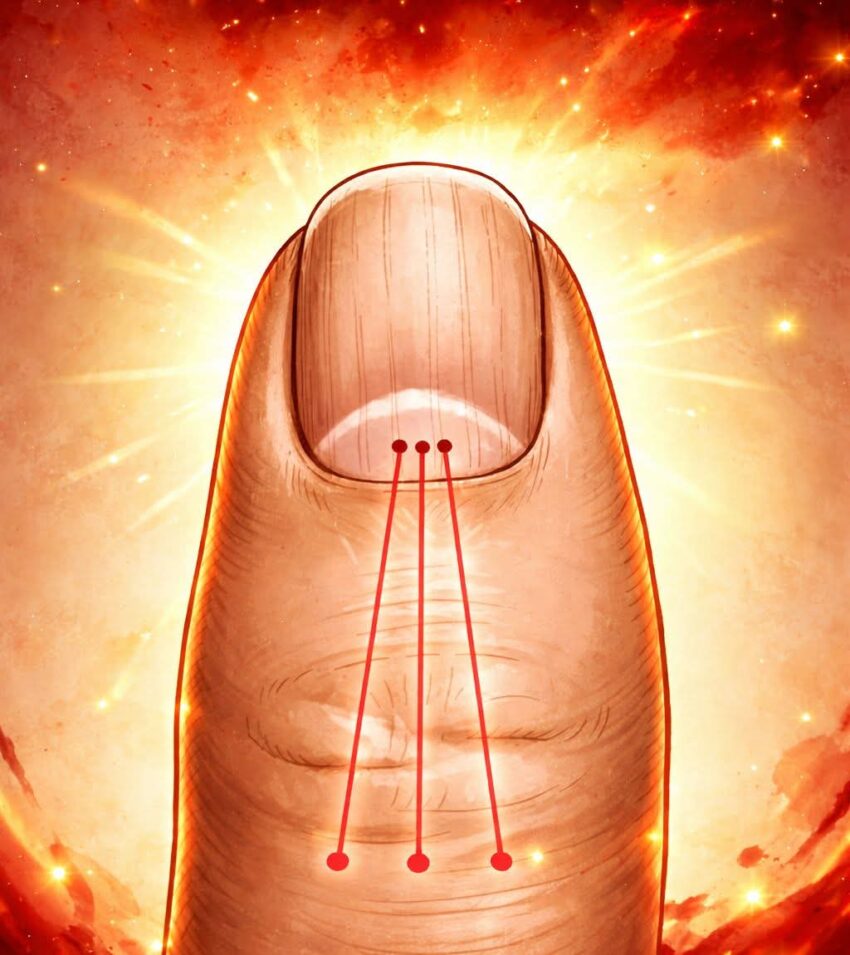
That statement isn’t accurate—lines on your nails don’t mean you have cancer.
Nails can develop lines for many common, non-serious reasons. In fact, most people will notice some form of nail ridging at some point in their lives.
Let’s break it down clearly.
What Nail Lines Usually Mean
1. Vertical Lines (Most Common)
These run from the cuticle to the tip of the nail.
Typical causes:
- Natural aging
- Mild dehydration
- Minor nutritional gaps
They’re generally harmless and very common, especially as people get older.
2. Horizontal Lines (Beau’s Lines)
These go across the nail.
Possible causes:
- Past illness (like a high fever or infection)
- Physical stress or trauma
- Temporary interruption in nail growth
They can show that your body went through stress at some point—not necessarily anything serious now.
3. White Lines or Spots
Often linked to:
- Minor nail injury
- Zinc or calcium imbalance (sometimes)
These are usually harmless.
When Nail Changes Might Need Attention
While most nail lines are benign, certain patterns can be worth checking with a doctor:
- Deep horizontal grooves across multiple nails
- Dark vertical streaks (especially if new or changing)
- Nail changes along with other symptoms (fatigue, weight loss, pain)
In rare cases, unusual nail changes can be linked to underlying health issues—but they are not a reliable or standalone sign of cancer.
Why This Myth Spreads
Health myths like this often spread because:
- People look for visible signs of serious diseases
- Social media oversimplifies complex medical topics
- Rare cases get generalized as common rules
But medically, diagnosis requires proper testing—not visual guesses from a single symptom.
- Nail lines are usually normal and harmless
- They do not mean you have cancer
- If something looks unusual or changes suddenly, it’s reasonable to consult a healthcare professional