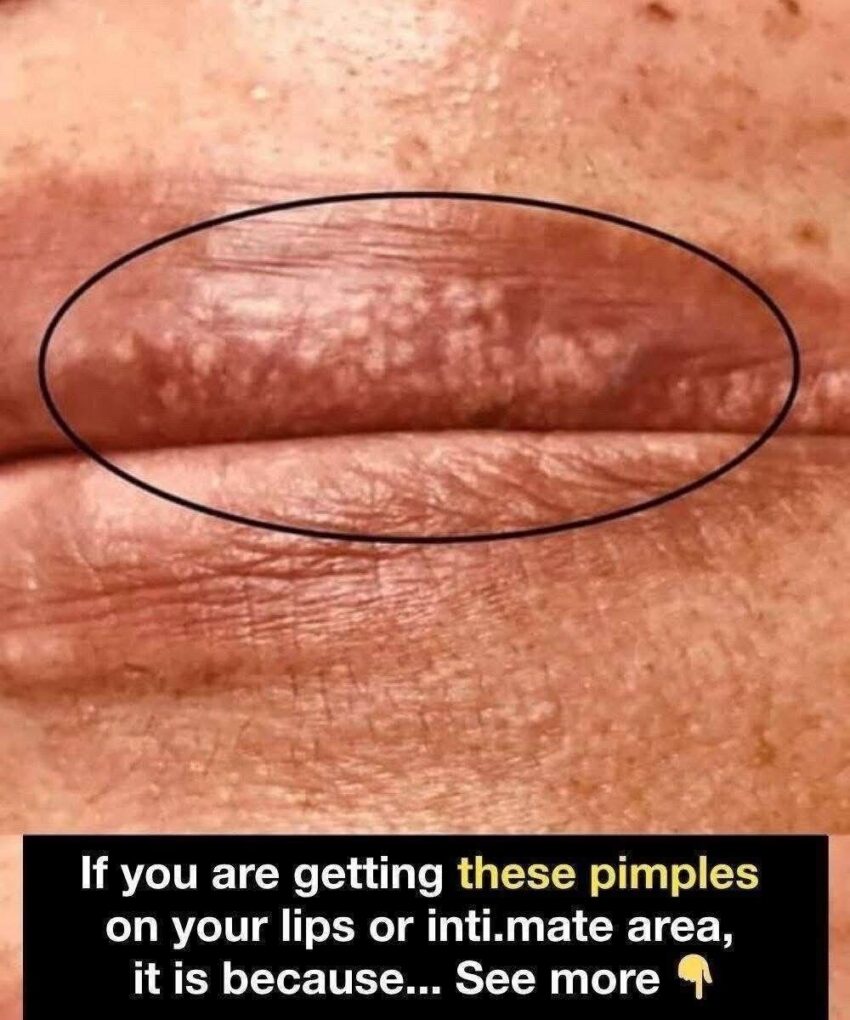
Pimples on Your Lips or Intimate Area: What They Really Mean (And When to Pay Attention)
Not all pimples are the same. Learn what bumps on your lips or intimate areas may indicate, what’s normal, and when to seek medical advice.
When a “Pimple” Isn’t Just a Pimple
It’s easy to assume any small bump on your skin is harmless.
But when it shows up on your lips—or in a sensitive, intimate area—it immediately raises questions.
Is it just acne?
Is it something more serious?
Should you ignore it or get it checked?
Here’s the truth: not all bumps are the same, and jumping to conclusions can do more harm than good.
This guide breaks it down clearly so you can understand what’s happening, what’s normal, and when to take action—without fear or misinformation.
First: Not Every Bump Is Acne
Traditional acne (like what you see on your face) behaves differently from bumps on:
- Lips
- Around the mouth
- Genital or intimate areas
These areas have different skin types, glands, and sensitivities.
That means the cause—and the treatment—can be very different.
Common Causes of Bumps on the Lips
1. Cold Sores
One of the most common causes of lip bumps is Herpes Simplex Virus Type 1 (HSV-1).
What it looks like:
- Small fluid-filled blisters
- Tingling or burning before they appear
- Often cluster together
Important note:
Cold sores are common and manageable—but they are contagious during active outbreaks.
2. Acne Around the Lip Line
Yes, regular acne can still occur near the lips.
Causes include:
- Hormonal changes
- Oily skin
- Clogged pores
These usually look like:
- Whiteheads or red bumps
- Not fluid-filled
3. Fordyce Spots
These are completely harmless.
What they look like:
- Small white or yellow bumps
- Painless
- Often appear in clusters
They are simply visible oil glands—no treatment needed.
Common Causes of Bumps in Intimate Areas
This is where confusion often leads to unnecessary panic.
1. Ingrown Hairs
Very common, especially after shaving or waxing.
Signs:
- Red bump
- Sometimes painful
- May contain a visible hair
2. Folliculitis
This is inflammation of hair follicles.
Causes:
- Friction
- Sweat
- Bacteria
Appearance:
- Small red or pus-filled bumps
- Can resemble acne
3. Cysts or Blocked Glands
For example, a Bartholin’s Cyst.
Signs:
- Swelling under the skin
- Usually painless unless infected
4. Viral Infections
Some bumps may be linked to viral conditions like Herpes Simplex Virus Type 2 (HSV-2).
What to watch for:
- Painful blisters
- Burning sensation
- Recurring outbreaks
Why These Bumps Appear
Instead of a single cause, it’s usually one of these:
- Friction (tight clothing, shaving)
- Hormonal changes
- Blocked pores or glands
- Bacterial irritation
- Viral infections
Understanding the pattern and symptoms matters more than the location alone.
When You Should Pay Attention
Not every bump needs medical attention—but some do.
Watch for these warning signs:
- Painful blisters
- Rapid spreading
- Fever or fatigue
- Recurring outbreaks
- Unusual discharge
- Bumps that don’t heal after 2–3 weeks
If you notice any of these, it’s worth getting checked.
What You Should NOT Do
1. Don’t Pop It
This can:
- Spread infection
- Cause scarring
- Worsen inflammation
2. Don’t Self-Diagnose Based on Photos
Online images can be misleading and cause unnecessary anxiety.
3. Don’t Ignore Persistent Symptoms
If something feels off, trust that instinct.
Practical Care Tips That Actually Help
For Lips:
- Avoid touching or picking
- Use clean lip products
- Protect from sun exposure
For Intimate Areas:
- Wear breathable clothing
- Avoid harsh soaps
- Use clean shaving practices
- Keep the area dry
Real-Life Scenario
Someone notices a small bump after shaving.
They panic, assume the worst, and start using harsh treatments.
In reality? It’s just an ingrown hair.
A few days of gentle care—and it disappears.
This is why understanding context matters more than jumping to conclusions.
Common Mistakes People Make
- Assuming every bump is an infection
- Using aggressive treatments too early
- Ignoring hygiene factors
- Letting fear replace logic
Expert Tips Most People Don’t Know
- Friction is one of the biggest hidden causes of intimate-area bumps
- Stress can trigger outbreaks of viral conditions
- Over-cleansing can actually make things worse
Pros and Cons of Monitoring vs. Immediate Treatment
Monitoring (Short-Term)
Pros:
- Avoids unnecessary medication
- Lets minor issues resolve naturally
Cons:
- Risk of delaying needed care
Immediate Treatment
Pros:
- Faster relief if condition is serious
Cons:
- Risk of misdiagnosis
- Potential overuse of products
FAQs (People Also Ask)
1. Are pimples on lips normal?
Some are (like acne or Fordyce spots), but others may need attention.
2. How can I tell if it’s herpes or a pimple?
Herpes usually involves painful, fluid-filled blisters and tingling beforehand.
3. Are bumps in intimate areas always serious?
No—many are harmless, like ingrown hairs or irritation.
4. Can shaving cause these bumps?
Yes, it’s one of the most common causes.
5. Should I see a doctor immediately?
Only if symptoms are severe, persistent, or unusual.
6. Can stress cause outbreaks?
Yes, especially with viral conditions.
7. Is it safe to treat at home?
For mild cases, yes—but avoid aggressive treatments.
8. How long should I wait before worrying?
If it doesn’t improve within 2–3 weeks, get it checked.
Action Checklist
- ✔ Observe symptoms carefully
- ✔ Avoid popping or irritating the area
- ✔ Maintain proper hygiene
- ✔ Watch for warning signs
- ✔ Seek medical advice if needed
Seeing bumps in sensitive areas can be stressful—but most of the time, the cause is harmless and manageable.
The key is staying informed, calm, and practical.
Not every bump is dangerous—but not every bump should be ignored either.
Pay attention to patterns, symptoms, and duration—and act accordingly.
Have you ever dealt with a confusing skin issue like this?
What did you learn from it?
Share your experience—your insight might help someone else feel less uncertain.