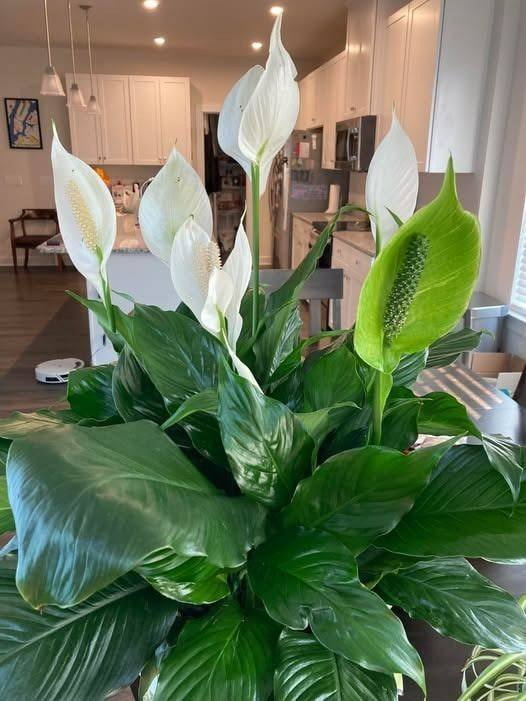
How to Get Your Peace Lily to Flower More – Expert Tips for Lush, Long-Lasting Blooms
Learn how to make your peace lily bloom more with expert care tips on light, watering, soil, and fertilizing for healthy, lush flowers.
Your peace lily looks beautiful.
The leaves are glossy, deep green, and full of life. It’s thriving on your shelf or in your living room, quietly purifying the air and adding a calming touch to your space.
But there’s one problem.
It’s not flowering.
And if you’ve had it for months—or even years—you might start wondering if you’re doing something wrong.
Here’s the truth most plant owners don’t realize at first:
A peace lily can survive in low light and still grow leaves… but it needs the right balance of conditions to produce flowers.
In this guide, we’ll break down exactly how to encourage more blooms using simple, practical, and science-backed care techniques that actually work—whether you’re a beginner plant parent or someone who has struggled with flowering houseplants for years.
Understanding the Peace Lily Bloom Cycle
Before fixing the problem, it helps to understand how peace lilies naturally flower.
Peace lilies (Spathiphyllum) are tropical plants. In their natural habitat:
- They grow under forest canopies
- They receive filtered sunlight
- They bloom when conditions are stable and slightly stressed
Their white “flower” is actually a modified leaf called a spathe, which surrounds a spike of tiny true flowers.
Key point:
👉 Peace lilies do not bloom constantly—they bloom in cycles when conditions are ideal.
Why Your Peace Lily Isn’t Flowering
If your plant is healthy but not blooming, one or more of these factors is usually responsible:
🌤️ 1. Not Enough Light (Most Common Issue)
Peace lilies tolerate low light—but they don’t bloom in it.
They need:
- Bright, indirect light
- Not direct sunlight
If the plant is in a dark corner, it will focus on leaves instead of flowers.
💧 2. Overwatering or Poor Drainage
Too much water can:
- Stress roots
- Reduce oxygen flow
- Delay blooming
Peace lilies like moisture—but not soggy soil.
🌱 3. Lack of Nutrients
Without proper feeding:
- The plant prioritizes survival
- Flower production slows down or stops
🪴 4. Pot Size Issues
- Too small → root stress
- Too large → energy goes into roots instead of flowers
🌡️ 5. Temperature Stress
Peace lilies prefer:
- 18°C to 27°C (65°F to 80°F)
Cold drafts or sudden temperature changes can pause blooming.
How to Make Your Peace Lily Bloom More
Now let’s fix it step by step.
1. Give It the Right Light (The Bloom Trigger)
This is the most important factor.
Best lighting conditions:
- Bright, indirect sunlight
- Near an east-facing window
- Filtered light through curtains
Avoid:
- Direct harsh sunlight (burns leaves)
- Dark corners (prevents blooming)
👉 A simple rule:
If you can comfortably read a book in that light, your peace lily can likely bloom there.
2. Water the Right Way (Not Too Much, Not Too Little)
Peace lilies are sensitive to watering mistakes.
Ideal watering method:
- Water when top 2–3 cm of soil is dry
- Use room-temperature water
- Drain excess water completely
Signs of overwatering:
- Yellow leaves
- Drooping despite wet soil
Signs of underwatering:
- Dramatic drooping
- Dry, crispy leaf edges
3. Use the Right Fertilizer for Blooms
To encourage flowering, you need balanced feeding.
Best fertilizer type:
- Balanced liquid fertilizer (20-20-20)
- Or bloom-boosting fertilizer (higher phosphorus)
Feeding schedule:
- Every 4–6 weeks during growing season (spring/summer)
Important tip:
👉 Too much fertilizer = more leaves, fewer flowers
4. Repot Only When Necessary
Peace lilies actually bloom better when slightly root-bound.
Repot if:
- Roots are circling heavily
- Water drains too fast
- Plant looks unstable
Best timing:
- Every 1.5 to 2 years
Use a pot only 2–3 cm larger than the previous one.
5. Keep Humidity Moderate to High
Being tropical plants, peace lilies love humidity.
Ideal humidity level:
- 40%–60% or higher
Ways to increase humidity:
- Light misting
- Pebble tray with water
- Placing near other plants
6. Remove Old Flowers and Yellow Leaves
This helps redirect energy into new blooms.
What to do:
- Cut spent flowers at the base
- Trim yellow or damaged leaves
This signals the plant to produce new growth.
7. Maintain Stable Temperatures
Avoid placing your plant near:
- Air conditioners
- Heating vents
- Cold windows in winter
Sudden temperature swings reduce flowering.
Common Mistakes That Stop Peace Lilies From Blooming
❌ Placing in dark rooms
❌ Overwatering “just in case”
❌ Using high-nitrogen fertilizer only
❌ Ignoring repotting needs
❌ Moving the plant frequently
Pro Expert Tips for Maximum Blooms
🌸 Slight “light stress” helps flowering
Peace lilies often bloom better when they get just enough light, not too much.
🌿 Wipe leaves regularly
Dust blocks light absorption.
🪴 Rotate the plant weekly
Ensures even growth and balanced energy distribution.
⏳ Be patient after adjustments
Bloom cycles may take 4–8 weeks to respond.
Real-World Example: Why One Peace Lily Blooms and Another Doesn’t
Two plants in different homes:
Plant A:
- Bright filtered light
- Monthly feeding
- Proper watering
👉 Blooms regularly
Plant B:
- Low light corner
- Overwatered
- No fertilizer
👉 Grows leaves but never flowers
Same plant species, completely different care conditions.
FAQs (People Also Ask)
1. How often do peace lilies bloom?
Typically 1–2 times per year under ideal conditions.
2. Can peace lilies bloom indoors?
Yes, if they receive bright indirect light and proper care.
3. Why is my peace lily only growing leaves?
It likely needs more light or proper fertilization.
4. Do peace lilies need direct sunlight?
No, direct sunlight can damage leaves. Indirect light is best.
5. How long do peace lily flowers last?
Each bloom can last several weeks to a few months.
6. Should I cut off dead peace lily flowers?
Yes, removing them encourages new growth.
Light, water, nutrients, and consistency all work together to signal the plant that conditions are right for blooming.
When you understand that, everything changes.
Instead of just surviving, your peace lily starts to thrive—and reward you with those elegant white blooms that make the plant so loved in homes around the world.
And the best part?
Once it starts blooming consistently, it becomes easier each season.
Peace lilies bloom more when they receive bright indirect light, balanced watering, occasional feeding, and stable conditions. With the right care, even a non-flowering plant can become a consistent bloomer over time.