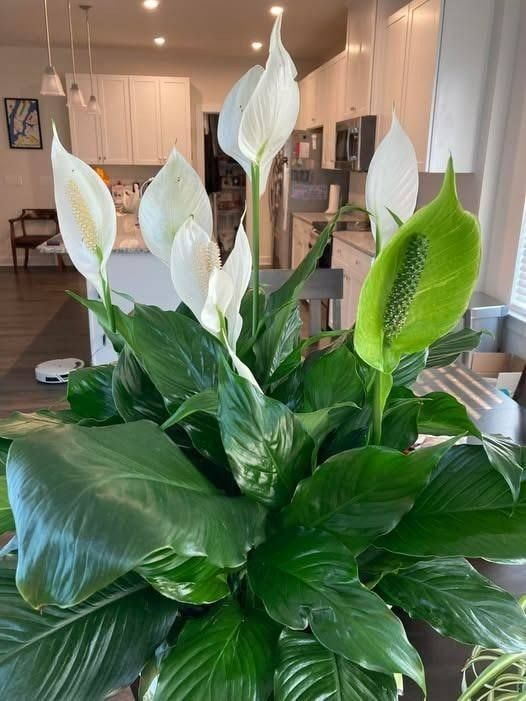
How to Get Your Peace Lily to Flower More: Expert Tips for Bigger, Longer-Lasting Blooms
Struggling to get your peace lily to bloom? Discover expert tips to boost flowers, improve care, and keep your plant thriving year-round.
🌿 Why Your Peace Lily Isn’t Blooming (And How to Fix It)
You bought a peace lily for those elegant white blooms—the kind that instantly make a room feel calm, fresh, and alive. But weeks (or months) later, you’re staring at a plant full of green leaves… and not a single flower in sight.
Sound familiar?
You’re not alone. Many plant lovers across the United States run into the same frustration. The good news? A peace lily isn’t “broken” when it stops flowering—it’s simply responding to its environment.
Once you understand what it needs, you can encourage it to bloom again—and often more beautifully than before.
This guide walks you through exactly how to do that, with expert-backed tips, real-life insights, and practical steps that actually work.
🌼 Understanding the Peace Lily (What Most People Miss)
The plant commonly known as a peace lily—Spathiphyllum wallisii—is not just a decorative houseplant. It’s a tropical species that naturally thrives in filtered light, warm temperatures, and humid environments.
Here’s the key truth many beginners don’t realize:
Peace lilies bloom based on conditions—not age or luck.
If your plant isn’t flowering, it’s almost always due to one of a few controllable factors.
🇺🇸 Why This Matters for Indoor Growers in the United States
Most homes in the U.S. aren’t naturally ideal for tropical plants:
- Air conditioning dries out the air
- Winters reduce natural sunlight
- Indoor lighting often isn’t strong enough
Because of this, peace lilies tend to survive—but not thrive.
With a few smart adjustments, though, you can recreate the environment they need to bloom regularly—even indoors.
🌸 What Triggers Peace Lily Blooms?
Before we fix the problem, let’s understand the trigger.
Peace lilies typically flower when they receive:
- Bright, indirect light
- Consistent moisture (not soggy soil)
- Warm temperatures (65–80°F / 18–27°C)
- Moderate humidity
Miss one of these consistently, and blooming slows—or stops entirely.
🔧 Step-by-Step: How to Get Your Peace Lily to Flower More
1. Increase Light (Without Burning the Leaves)
This is the #1 reason peace lilies don’t bloom.
They can tolerate low light—but they won’t flower in it.
What to do:
- Move your plant near an east- or north-facing window
- Ensure bright, indirect sunlight
- Avoid harsh direct sun (can scorch leaves)
👉 Pro Tip: If you can comfortably read a book near your plant during the day, the light level is usually good.
2. Water Smart—Not More
Overwatering is one of the biggest mistakes.
Ideal watering method:
- Water when the top 1–2 inches of soil feel dry
- Ensure proper drainage
- Never let roots sit in water
👉 Peace lilies often “droop” when thirsty—this is normal and a helpful signal.
3. Boost Humidity (Game-Changer)
Indoor air—especially in winter—can be too dry.
Easy fixes:
- Place a tray of water with pebbles under the pot
- Mist lightly 2–3 times per week
- Use a humidifier in dry climates
4. Feed Your Plant Properly
Peace lilies need nutrients to bloom.
Fertilizing tips:
- Use a balanced liquid fertilizer (10-10-10)
- Feed every 4–6 weeks during spring and summer
- Avoid overfeeding—it can harm roots
5. Keep Temperatures Stable
Peace lilies are sensitive to temperature swings.
Ideal range:
- 65–80°F (18–27°C)
Avoid:
- Cold drafts
- Air vents
- Sudden temperature changes
6. Repot When Necessary
If your plant is root-bound, it may stop blooming.
Signs:
- Roots circling the pot
- Water draining too quickly
- Slowed growth
👉 Repot into a container 1–2 inches larger.
7. Remove Old Blooms
Dead or fading flowers drain energy.
What to do:
- Cut spent blooms at the base
- Encourage new growth and future blooms
⚖️ Pros and Cons of Peace Lily Care
✅ Pros
- Beautiful, elegant flowers
- Improves indoor air quality
- Low maintenance once understood
- Thrives indoors
❌ Cons
- Sensitive to overwatering
- Needs proper light to bloom
- Can be toxic to pets if ingested
🌱 Real-Life Scenario: Bringing a Peace Lily Back to Life
Case Example:
James from Ohio kept his peace lily in a dim office corner. It looked healthy—but never bloomed.
After moving it closer to a window and adjusting watering habits, he saw his first bloom in 6 weeks.
No fancy tools. Just better conditions.
❌ Common Mistakes That Prevent Blooming
1. Keeping It in Low Light
→ Result: Healthy leaves, no flowers
2. Overwatering
→ Result: Root stress, no blooms
3. Ignoring Fertilizer
→ Result: Nutrient deficiency
4. Using Tap Water with Heavy Chemicals
→ Result: Leaf browning over time
👉 Fix: Let water sit overnight before using.
💡 Expert Tips Most People Don’t Know
- Slight stress can trigger blooms – letting soil dry slightly encourages flowering
- Rotate your plant weekly for even growth
- Wipe leaves regularly to improve light absorption
- Use filtered water if your tap water is hard
🔄 2026 Indoor Plant Trends
Houseplant care is evolving, and peace lilies are part of a bigger trend:
- Smart indoor gardening
- Low-maintenance greenery
- Air-purifying plants
More people are learning that care quality—not quantity—drives results.
🔮 Future Outlook: Are Peace Lilies Still Worth It?
Absolutely.
As urban living grows and people spend more time indoors, plants like peace lilies offer both aesthetic and mental health benefits.
Expect to see more:
- Hybrid varieties
- Indoor plant tech (grow lights, sensors)
- Personalized plant care routines
❓ FAQs (People Also Ask)
1. How often do peace lilies bloom?
Typically 1–2 times per year under good conditions.
2. Why is my peace lily not flowering?
Usually due to insufficient light or improper care.
3. Can I force my peace lily to bloom?
You can encourage blooming by improving light, feeding, and care conditions.
4. Do peace lilies need sunlight?
Yes, but indirect sunlight is best.
5. How long do blooms last?
Usually 1–2 months.
6. Should I cut off dead flowers?
Yes, it helps the plant focus on new growth.
7. Can peace lilies bloom year-round?
With ideal care, some may bloom multiple times per year.
8. Is coffee good for peace lilies?
In small amounts, used coffee grounds can help—but use cautiously.
✅ Action Checklist
- Move plant to brighter indirect light
- Water only when soil is slightly dry
- Increase humidity levels
- Fertilize monthly (growing season)
- Remove old blooms
- Repot if root-bound
Getting your peace lily to bloom isn’t about luck—it’s about understanding.
Once you align light, water, and care with what the plant actually needs, everything changes. Those elegant white blooms? They’ll come back—and often more beautifully than before.
Think of it less like “fixing a plant” and more like creating the right environment for it to thrive.
Peace lilies bloom when their environment is right. Improve light, balance watering, and provide nutrients—and you’ll see real results.
Have you struggled to get your peace lily to bloom?
Share your experience in the comments, pass this guide to a fellow plant lover, and start transforming your indoor space—one bloom at a time 🌿✨