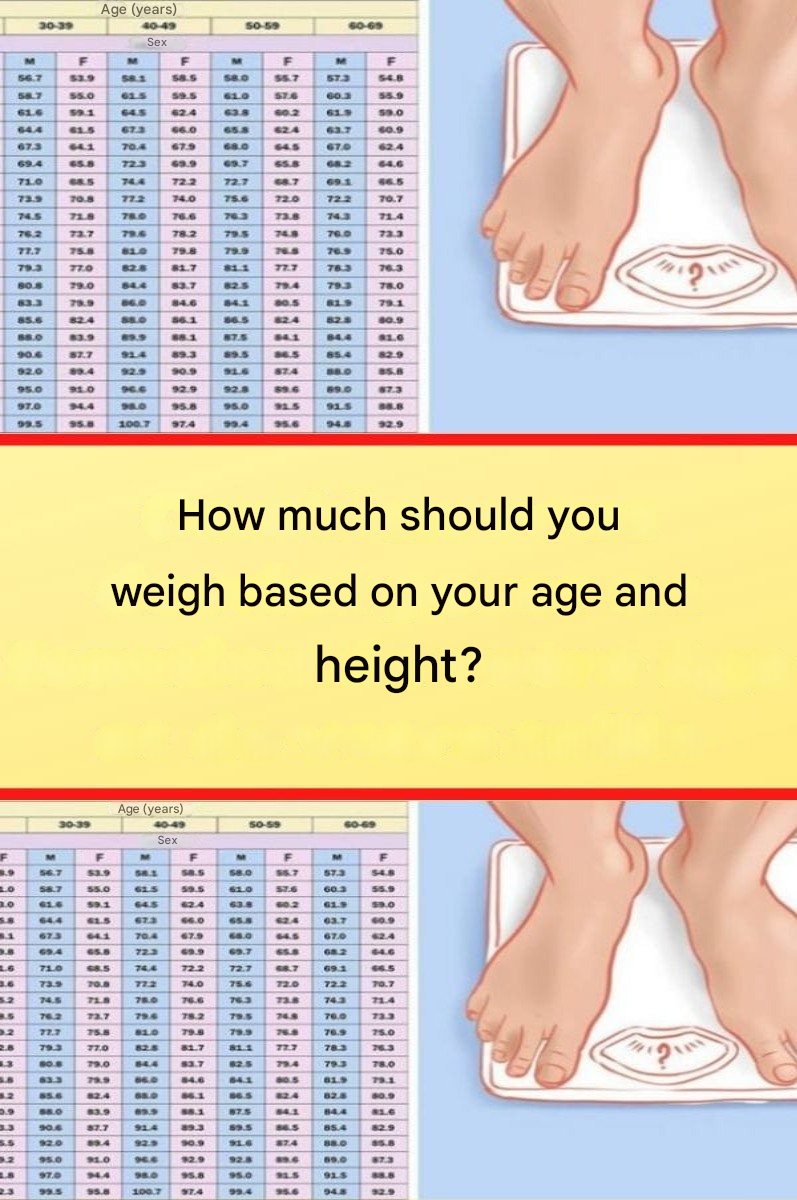
How Much Should You Weigh for Your Age and Height? A Realistic Guide That Actually Makes Sense
Wondering what your ideal weight should be? Learn how age, height, and body composition affect healthy weight—and how to find your range.
The Question Almost Everyone Asks (But Rarely Gets a Clear Answer)
“How much should I weigh?”
It sounds simple—but the answer isn’t a single number.
If you’ve ever searched online, you’ve probably seen charts, calculators, and formulas that give you a “perfect weight.” But here’s the truth:
Healthy weight is a range—not a fixed number.
And it depends on more than just your height or age.
This guide breaks it down in a practical, realistic way—so you can understand your body better without chasing unrealistic standards.
Why Weight Isn’t Just About Age and Height
Many people assume:
“If I’m this tall and this age, I should weigh exactly this much.”
That’s not how the body works.
Your healthy weight is influenced by:
- Muscle mass
- Body fat percentage
- Bone structure
- Gender
- Activity level
- Metabolism
Two people with the same height and age can have very different—and equally healthy—weights.
The Most Common Tool: Body Mass Index (BMI)
The most widely used guideline is Body Mass Index (BMI).
It uses your height and weight to estimate whether you’re in a healthy range.
BMI Formula (Simplified)
BMI = weight (kg) ÷ height² (m)
Healthy BMI Ranges
| Category | BMI Range |
|---|---|
| Underweight | Below 18.5 |
| Normal weight | 18.5 – 24.9 |
| Overweight | 25 – 29.9 |
| Obesity | 30+ |
What That Means for Your Height
Here’s a practical weight range based on common heights:
For Adults (General Guidelines)
| Height | Healthy Weight Range |
|---|---|
| 5’0” (152 cm) | 97 – 128 lbs |
| 5’4” (163 cm) | 108 – 145 lbs |
| 5’7” (170 cm) | 121 – 158 lbs |
| 5’10” (178 cm) | 132 – 173 lbs |
| 6’0” (183 cm) | 140 – 183 lbs |
These ranges are based on BMI—not perfection.
Does Age Change Your Ideal Weight?
Yes—but not in the way most people think.
In Your 20s–30s
- Higher muscle mass
- Faster metabolism
In Your 40s–50s
- Slight weight increase is common
- Muscle mass may decrease
60+
- Focus shifts to maintaining strength and function
Important:
A small increase in weight with age can be normal—and even protective in some cases.
Why BMI Isn’t Perfect
BMI is useful—but it has limitations.
It Doesn’t Account For:
- Muscle vs. fat
- Body shape
- Fat distribution
For example:
- An athlete may have a high BMI but low body fat
- Someone with a “normal” BMI may still have unhealthy fat levels
A Better Way to Think About Healthy Weight
Instead of chasing a number, focus on:
1. How You Feel
- Energy levels
- Mobility
- Sleep quality
2. Body Composition
More muscle, less excess fat = better health outcomes.
3. Waist Measurement
Abdominal fat is more strongly linked to health risks.
4. Lifestyle Habits
- Diet quality
- Physical activity
- Stress management
Real-Life Scenario
Two people, both 5’8”:
- Person A: 150 lbs, low muscle, higher fat
- Person B: 165 lbs, high muscle, low fat
According to BMI, Person A looks “better.”
In reality?
Person B is likely healthier.
How to Find Your Healthy Weight Range (Step-by-Step)
Step 1: Calculate Your BMI
Use an online calculator or formula.
Step 2: Identify Your Range (Not a Single Number)
Stay within a flexible zone—not a fixed target.
Step 3: Assess Your Lifestyle
Ask:
- Am I active?
- Do I eat balanced meals?
- How do I feel daily?
Step 4: Adjust Gradually
Avoid extreme dieting or rapid weight changes.
Common Mistakes People Make
1. Chasing an “Ideal” Number
This often leads to frustration or unhealthy habits.
2. Ignoring Muscle Mass
Weight alone doesn’t tell the full story.
3. Comparing Yourself to Others
Bodies are different—comparison isn’t helpful.
4. Following Extreme Diets
Short-term results rarely lead to long-term success.
Pros and Cons of Using Weight Charts
Pros
- Simple and easy to use
- Provides a general guideline
- Helpful starting point
Cons
- Not personalized
- Doesn’t reflect body composition
- Can be misleading if taken too literally
Expert Tips Most People Don’t Know
- Strength training can increase weight but improve health
- A stable weight is often better than constant fluctuations
- Small, consistent habits matter more than rapid changes
2026 Health Trends Around Weight
- Shift from weight-focused to health-focused metrics
- More use of body composition tracking
- Personalized health plans based on genetics and lifestyle
FAQs (People Also Ask)
1. What is the ideal weight for my age?
There’s no exact number—focus on a healthy range and lifestyle.
2. Should weight decrease as you age?
Not necessarily. Stability and strength matter more.
3. Is BMI accurate for everyone?
No—it’s a general guideline, not a perfect measure.
4. How do I know if my weight is healthy?
Consider BMI, lifestyle, energy levels, and medical advice.
5. Can I be healthy and overweight?
Yes, depending on body composition and habits.
6. What matters more—weight or fitness?
Fitness and overall health matter more than weight alone.
7. How quickly should I lose weight?
Slow and steady (1–2 lbs per week) is generally safer.
8. Is being underweight unhealthy?
Yes, it can carry health risks as well.
Action Checklist
- ✔ Use BMI as a guide, not a rule
- ✔ Focus on habits over numbers
- ✔ Stay active and build muscle
- ✔ Monitor how you feel
- ✔ Avoid extreme dieting
Your “ideal weight” isn’t a fixed number on a chart.
It’s a range where your body feels strong, energized, and healthy.
The goal isn’t perfection—it’s balance and sustainability.
Weight depends on more than just age and height.
Focus on overall health, not just the scale—and you’ll make better long-term decisions.
Do you focus more on the number on the scale—or how you feel?
Share your perspective below. Your experience could help someone else rethink their approach.