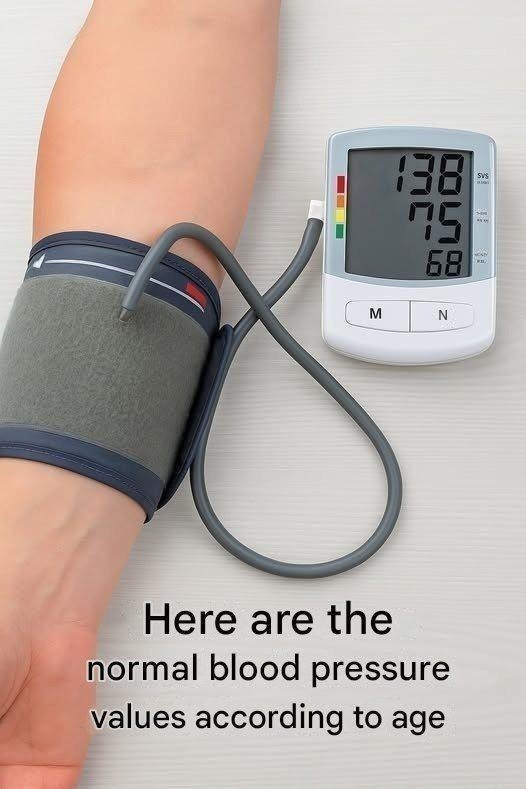
Normal Blood Pressure by Age: What’s Healthy, What’s Not, and How to Stay in Range (U.S. Guide)
Discover normal blood pressure ranges by age, what numbers mean, and practical ways to keep your levels healthy and under control.
Normal Blood Pressure by Age: What’s Healthy, What’s Not, and How to Stay in Range
Blood pressure is one of those numbers most people ignore—until something goes wrong.
Maybe you saw a reading at a pharmacy kiosk. Maybe your doctor mentioned it during a routine visit. Or maybe you’re starting to feel symptoms like headaches, fatigue, or dizziness and wondering if your numbers are where they should be.
Here’s the reality: blood pressure doesn’t stay the same throughout life. What’s considered “normal” can shift slightly depending on age, health status, and lifestyle—but the fundamentals remain surprisingly consistent.
This guide breaks it all down clearly:
- What blood pressure numbers actually mean
- Normal ranges by age group
- When to be concerned
- Practical, real-world ways to keep your numbers in a healthy range
What Blood Pressure Numbers Actually Mean
When you see a reading like 120/80 mmHg, you’re looking at two numbers:
1. Systolic Pressure (Top Number)
This measures pressure in your arteries when your heart beats.
2. Diastolic Pressure (Bottom Number)
This measures pressure when your heart is resting between beats.
Together, they give a snapshot of how hard your heart is working and how healthy your blood vessels are.
Standard Blood Pressure Categories (U.S. Guidelines)
Health organizations such as the American Heart Association use the following classifications:
| Category | Systolic (Top) | Diastolic (Bottom) |
|---|---|---|
| Normal | Less than 120 | Less than 80 |
| Elevated | 120–129 | Less than 80 |
| Hypertension Stage 1 | 130–139 | 80–89 |
| Hypertension Stage 2 | 140 or higher | 90 or higher |
| Hypertensive Crisis | 180+ | 120+ |
Important: These categories apply broadly to adults, regardless of age.
Normal Blood Pressure Values by Age
While the ideal target is generally below 120/80, average readings may vary slightly with age due to natural changes in blood vessels.
Children (Ages 3–12)
Blood pressure in children depends on:
- Age
- Height
- Gender
Typical range:
- Systolic: 90–110
- Diastolic: 55–75
Pediatricians use growth charts rather than fixed numbers.
Teenagers (Ages 13–19)
As the body develops, blood pressure begins to align more with adult values.
Typical range:
- Systolic: 100–120
- Diastolic: 65–80
Readings consistently above 120/80 may require monitoring.
Young Adults (Ages 20–39)
This is where many people assume they’re “too young” to worry—but early habits matter most here.
Healthy range:
- Ideal: Below 120/80
- Acceptable: Up to 129/84
Lifestyle plays a major role at this stage.
Middle-Aged Adults (Ages 40–59)
Blood vessels gradually lose elasticity, which can raise systolic pressure.
Typical range:
- Ideal: Below 120/80
- Common average: 120–130 systolic
Monitoring becomes more important here.
Older Adults (60+)
Systolic pressure tends to rise naturally due to stiffening arteries.
Typical range:
- Acceptable: 120–139 systolic
- Diastolic: Often remains under 80
However, maintaining levels close to 120/80 is still beneficial when safely possible.
Why Blood Pressure Changes With Age
Several biological factors influence this:
- Arteries become less flexible
- Plaque buildup may occur
- Hormonal changes affect regulation
- Long-term lifestyle habits accumulate
This is why prevention early in life pays off later.
Why Healthy Blood Pressure Matters (More Than You Think)
Consistently high blood pressure—also known as Hypertension—often has no obvious symptoms.
But over time, it increases risk of:
- Heart disease
- Stroke
- Kidney damage
- Vision problems
According to the Centers for Disease Control and Prevention, nearly half of U.S. adults have high blood pressure or are taking medication for it.
Real-Life Scenario: How Numbers Change Over Time
A 32-year-old office worker checks their blood pressure:
- Reading: 128/82
- Category: Elevated
At first, they ignore it.
Fast forward 10 years:
- Reading: 138/88
- Category: Stage 1 hypertension
Same person—just different habits over time.
Small increases add up, which is why early awareness matters.
How to Measure Blood Pressure Correctly at Home
Many people get inaccurate readings due to simple mistakes.
Follow these steps:
- Sit quietly for 5 minutes
- Keep feet flat on the floor
- Rest your arm at heart level
- Avoid caffeine 30 minutes prior
- Take 2–3 readings and average them
Consistency matters more than one perfect reading.
Practical Ways to Maintain Healthy Blood Pressure
1. Improve Your Diet
Focus on:
- Fruits and vegetables
- Whole grains
- Lean proteins
- Low sodium intake
The DASH diet (Dietary Approaches to Stop Hypertension) is widely recommended.
2. Stay Physically Active
Aim for:
- 150 minutes of moderate exercise per week
Even walking daily can significantly improve readings.
3. Manage Stress Levels
Chronic stress contributes to elevated blood pressure.
Helpful habits:
- Deep breathing
- Mindfulness
- Regular breaks from screens
4. Maintain a Healthy Weight
Excess weight forces the heart to work harder.
Even modest weight loss can improve blood pressure.
5. Limit Alcohol and Avoid Smoking
Both can damage blood vessels and increase pressure over time.
6. Prioritize Sleep
Poor sleep is strongly linked to hypertension.
Aim for:
- 7–9 hours per night
Pros and Cons of Monitoring Blood Pressure at Home
Pros:
- Early detection of changes
- Better long-term awareness
- Helps guide lifestyle decisions
Cons:
- Can cause anxiety if overchecked
- Incorrect technique leads to false readings
- Not a replacement for medical advice
Common Mistakes to Avoid
- Ignoring slightly elevated readings
- Only checking blood pressure when feeling unwell
- Assuming age alone justifies high numbers
- Relying on a single reading
Expert Tips Most People Don’t Know
- Morning readings are often more accurate than evening
- Hydration can influence readings
- Talking during measurement can raise numbers
- Consistency in timing improves tracking accuracy
2026 Trends in Blood Pressure Management
- Smart wearable monitors
- AI-based health tracking apps
- Personalized nutrition plans
- Remote patient monitoring through telehealth
Healthcare is moving toward continuous monitoring instead of occasional checkups.
Future Outlook
Organizations like the National Institutes of Health continue to emphasize prevention as the most effective strategy.
The goal is shifting from:
- Treating hypertension
to - Preventing it before it develops
Frequently Asked Questions
1. What is the ideal blood pressure for adults?
Below 120/80 mmHg.
2. Is 130/80 considered high?
Yes, it falls under Stage 1 hypertension.
3. Does blood pressure increase with age?
It often does, but high levels are not inevitable.
4. Can stress cause temporary spikes?
Yes, stress can raise blood pressure temporarily.
5. Is low blood pressure dangerous?
Only if it causes symptoms like dizziness or fainting.
6. How often should I check my blood pressure?
If normal: every few months. If elevated: more frequently.
7. Can diet alone control blood pressure?
In some cases, yes—especially in early stages.
8. Are home monitors accurate?
Yes, if used correctly.
9. What time of day is best to measure?
Morning is usually most consistent.
10. Should I worry about one high reading?
Not necessarily—look for patterns over time.
Action Checklist Summary
- Know your numbers
- Aim for below 120/80
- Monitor regularly at home
- Eat a balanced, low-sodium diet
- Exercise consistently
- Manage stress
- Get enough sleep
- Seek medical advice when needed
Conclusion: Awareness Today Prevents Problems Tomorrow
Blood pressure isn’t just a number—it’s a long-term indicator of your overall health.
The earlier you understand it, the more control you have over your future well-being.
You don’t need extreme changes. You need consistent ones.
If this guide helped clarify where your numbers stand, consider sharing it with someone who might benefit. And if you’ve been tracking your blood pressure, what trends have you noticed? Conversations like these often lead to better health decisions.
Normal blood pressure is generally below 120/80 mmHg across all adult age groups. While slight variations occur with age, maintaining healthy levels depends far more on lifestyle than age itself.