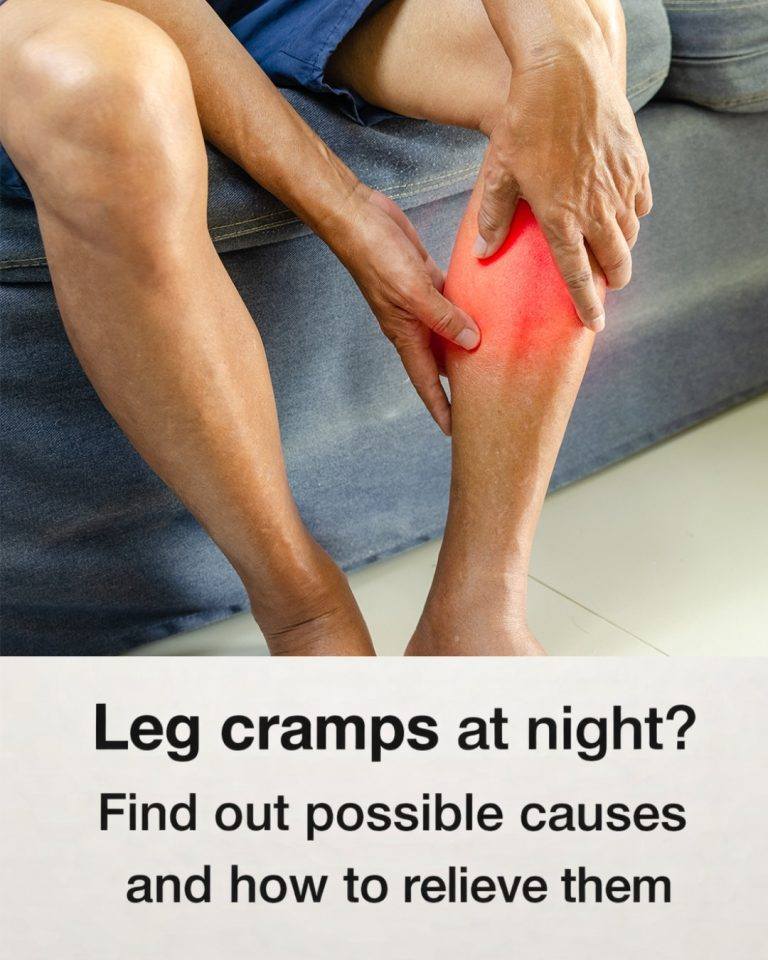
Feeling Night Cramps? 9 Warning Signs Your Body Might Be Trying to Tell You Something Important
Waking up with painful night cramps? Discover 9 hidden causes, warning signs, and proven ways to stop nighttime leg cramps for good.
The 2 A.M. Wake-Up Call You Didn’t Ask For
It usually starts the same way.
You’re deep asleep, your body finally resting after a long day… and suddenly—a sharp, gripping pain shoots through your calf. You jolt awake. Your muscle tightens like a knot you can’t untangle. You stretch, wince, maybe even panic a little.
If you’ve ever experienced this, you’re not alone.
Night cramps—especially in the legs—affect millions of Americans every year, and for many, they’re more than just an occasional annoyance. They can interrupt sleep, impact daily energy, and sometimes signal something deeper going on inside the body.
Here’s the part most people miss:
Your body rarely does something repeatedly without a reason.
This guide will walk you through what night cramps really mean, what might be causing them, and—most importantly—what you can do about them starting tonight.
What Are Night Cramps, Really?
Night cramps, often called nocturnal leg cramps, are sudden, involuntary muscle contractions that typically occur in the:
- Calves
- Feet
- Thighs
They can last anywhere from a few seconds to several minutes—and the soreness can linger even longer.
Unlike restless leg syndrome (which causes an urge to move), night cramps are painful muscle spasms that physically wake you up.
Why This Matters More in the United States
Night cramps are especially common in the U.S. due to lifestyle patterns such as:
- Sedentary work habits (long hours sitting at desks)
- High sodium, low potassium diets
- Chronic dehydration (many people don’t drink enough water)
- Increased stress levels
- Higher rates of conditions like diabetes and obesity
According to health research from institutions like Harvard Medical School, up to 60% of adults experience leg cramps at night at some point in their lives.
That’s not a small number—and it’s not something to ignore.
9 Warning Signs Your Body Might Be Sending
Night cramps are often a symptom—not the root problem. Here are the most common underlying signals your body may be sending:
1. You’re Dehydrated (Even If You Don’t Feel Thirsty)
Mild dehydration can disrupt the balance of electrolytes in your body, leading to muscle spasms.
Signs to watch for:
- Dry mouth
- Dark urine
- Fatigue during the day
2. Electrolyte Imbalance
Your muscles rely on minerals like:
- Potassium
- Magnesium
- Calcium
- Sodium
A deficiency—or imbalance—can trigger cramps.
Common cause in the U.S.: Processed foods high in sodium but low in essential minerals.
3. Poor Circulation
If blood flow to your legs is restricted, muscles don’t get enough oxygen.
You might notice:
- Cold feet
- Tingling sensations
- Cramps after long periods of sitting
4. Overuse or Muscle Fatigue
Standing all day, intense workouts, or even walking more than usual can overwork your muscles.
The result?
They tighten up at night when your body tries to recover.
5. Sitting Too Much
Yes—doing less can also cause cramps.
Long hours at a desk can shorten muscles and reduce flexibility, leading to nighttime spasms.
6. Medication Side Effects
Certain medications may contribute to cramps, including:
- Diuretics
- Statins
- Blood pressure medications
If cramps started after a new prescription, it’s worth discussing with a healthcare provider.
7. Nerve Compression
Conditions like lower back issues or spinal nerve compression can affect signals sent to your muscles.
This may cause:
- Sudden cramping
- Shooting pain
- Muscle twitching at night
8. Underlying Health Conditions
In some cases, night cramps may be linked to:
- Diabetes
- Kidney disease
- Thyroid imbalances
This doesn’t mean panic—but it does mean pay attention if cramps are frequent or worsening.
9. Aging Muscle Changes
As we age, muscle mass naturally decreases, and flexibility declines.
This is why adults over 50 report higher rates of night cramps.
Real-Life Scenario: Why This Happens More Than You Think
Consider this:
A 42-year-old office worker in Texas starts experiencing nightly calf cramps. He assumes it’s just stress. Months later, he realizes:
- He drinks less than 3 cups of water daily
- Eats mostly processed meals
- Sits 9–10 hours a day
After increasing hydration, adding magnesium-rich foods, and stretching before bed—his cramps almost completely disappear within weeks.
The takeaway?
Small habits create big physical signals.
Step-by-Step: How to Stop Night Cramps Naturally
Step 1: Hydrate Strategically
Don’t just drink water randomly—space it out:
- Morning: 1–2 glasses
- Afternoon: 2–3 glasses
- Evening: 1 glass (not too late)
Step 2: Rebalance Your Electrolytes
Add these foods to your diet:
- Bananas (potassium)
- Spinach (magnesium)
- Yogurt (calcium)
- Avocados (healthy fats + potassium)
Step 3: Stretch Before Bed (2 Minutes Matters)
Focus on:
- Calf stretches
- Hamstring stretches
- Gentle ankle rotations
Consistency is more important than intensity.
Step 4: Improve Blood Flow
- Avoid sitting for long periods
- Take short walking breaks
- Elevate legs occasionally
Step 5: Adjust Sleep Position
Try:
- Keeping blankets loose (tight sheets can trigger cramps)
- Sleeping with feet slightly elevated
Step 6: Warm Up Muscles Before Sleep
- Warm shower
- Heating pad for 10 minutes
This relaxes muscles and reduces nighttime tightening.
Pros and Cons of Common Remedies
| Remedy | Pros | Cons |
|---|---|---|
| Stretching | Immediate relief, free | Requires consistency |
| Magnesium supplements | Effective for some | Not universal, consult doctor |
| Hydration | Simple, natural | Easy to neglect |
| Massage | Relaxes muscles quickly | Temporary fix |
| Medication | Strong effect | Potential side effects |
Common Mistakes People Make
- Ignoring recurring cramps
- Only treating symptoms, not causes
- Drinking water only when thirsty
- Skipping stretching routines
- Overusing pain relief methods
Expert Tips Most People Don’t Know
- Electrolyte timing matters – consume minerals earlier in the day
- Foot position during sleep matters – avoid pointing toes downward
- Compression socks can help circulation
- Light evening activity beats complete inactivity
2026 Health Trend: Preventative Sleep Health
In the U.S., there’s a growing focus on preventative wellness, especially around sleep quality.
More people are now:
- Tracking hydration
- Using wearable health tech
- Monitoring sleep patterns
- Focusing on recovery routines
Night cramps are becoming recognized as part of this bigger health picture—not just a random issue.
Future Outlook: What Your Body Is Trying to Teach You
Your body doesn’t communicate with words—it communicates with patterns.
Night cramps are one of those signals.
Ignoring them may lead to:
- Poor sleep quality
- Chronic fatigue
- Increased stress on the body
Listening to them?
That’s where real change begins.
Frequently Asked Questions (People Also Ask)
1. Why do leg cramps happen at night specifically?
Muscles relax during sleep, which can expose imbalances or fatigue accumulated during the day.
2. Are night cramps dangerous?
Usually not, but frequent cramps may signal underlying health issues.
3. How can I stop a cramp immediately?
Stretch the muscle, flex your foot upward, and gently massage the area.
4. Does drinking water before bed help?
Yes—but avoid excessive amounts right before sleep to prevent disruptions.
5. Is magnesium really effective?
It helps some people, especially those with deficiencies, but results vary.
6. Can stress cause night cramps?
Indirectly, yes. Stress affects hydration, muscle tension, and sleep quality.
7. Should I see a doctor?
If cramps are severe, frequent, or worsening, it’s a smart move.
8. Do bananas really help?
They provide potassium, which supports muscle function—but they’re not a complete solution alone.
9. Can exercise make cramps worse?
Overtraining can—but balanced movement actually helps prevent them.
Action Checklist: Start Tonight
- ✔ Drink water consistently throughout the day
- ✔ Add potassium and magnesium-rich foods
- ✔ Stretch your legs before bed
- ✔ Avoid long periods of sitting
- ✔ Adjust sleep posture
- ✔ Monitor frequency of cramps
Conclusion: Your Body Is Talking—Are You Listening?
Night cramps may seem small in the moment, but they’re often your body’s early warning system.
They’re not just about muscles—they’re about hydration, nutrition, movement, and overall balance.
The good news?
You don’t need extreme changes to fix them.
Just small, consistent adjustments.
Night cramps are common—but they’re not random.
They’re signals. And when you respond to them, your body responds back—with better sleep, less pain, and more energy.
Have you experienced night cramps recently?
What helped—or didn’t?
Share your experience in the comments. Your insight might help someone else finally get a full night’s sleep.
And if you found this helpful, pass it along—because better sleep is something everyone deserves.