Doctors Reveal What Happens When You Eat Olives Regularly (Surprising Health Effects You Should Know)
Doctors explain the real benefits of eating olives—from heart health to inflammation support. Discover what happens when you add them to your diet.
It’s one of those foods people either casually snack on… or completely overlook.
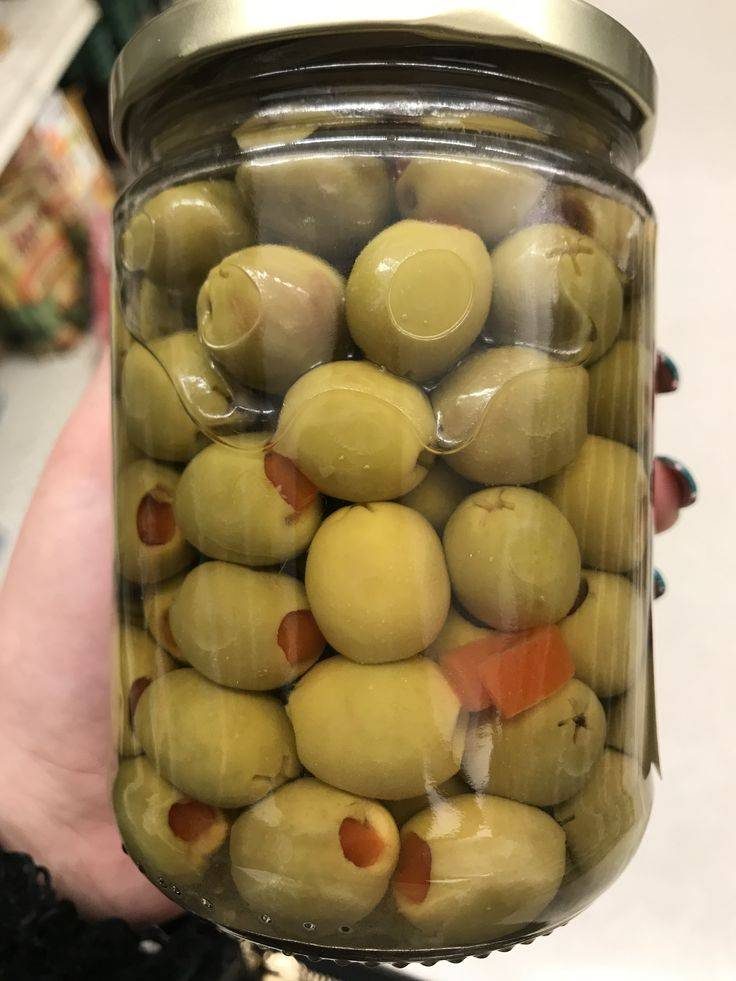
A small bowl of olives sitting on the table—glossy, rich, slightly salty. Easy to ignore. Easy to underestimate.
But here’s the surprising part: many doctors and nutrition researchers say that this tiny fruit packs a powerful punch when it comes to long-term health.
Not in a flashy, overnight-results kind of way—but in the quiet, consistent way that actually matters.
If you’ve ever wondered, “Are olives really that healthy?”—the answer might surprise you.
Let’s break down what really happens in your body when you start eating olives regularly.
What Are Olives, Really?
Olives are technically a fruit, grown on the Olea europaea, a staple of Mediterranean diets for thousands of years.
They’re rarely eaten raw because of their natural bitterness. Instead, they’re cured and preserved—giving them that signature savory taste.
But beyond flavor, olives are loaded with compounds that have been widely studied for their health effects.
Why Doctors Pay Attention to Olives
Nutrition experts often highlight olives because they contain:
- Healthy monounsaturated fats
- Antioxidants
- Anti-inflammatory compounds
Research from institutions like Harvard University and the Mayo Clinic has consistently linked olive consumption to improved heart and metabolic health.
What Happens When You Eat Olives Regularly?
1. Your Heart Gets Stronger ❤️
Olives are rich in monounsaturated fats—the same heart-friendly fats found in olive oil.
What this means:
- May help reduce LDL (“bad”) cholesterol
- Supports healthy blood vessels
- May lower risk of heart disease over time
2. Inflammation May Decrease
Chronic inflammation is linked to many diseases.
Olives contain compounds like Polyphenols, which help reduce inflammation at a cellular level.
3. Your Body Gets Antioxidant Protection
Oxidative stress damages cells over time.
Olives provide antioxidants such as:
- Vitamin E
- Polyphenols
These help protect your cells from damage.
4. Digestion Can Improve
Olives may support gut health by:
- Stimulating digestive enzymes
- Supporting beneficial gut bacteria
This can lead to better digestion and less bloating.
5. You May Feel Fuller Longer
Thanks to their healthy fat content, olives help with satiety.
This can:
- Reduce overeating
- Support weight management
6. Brain Health Gets a Boost
Healthy fats and antioxidants support brain function.
Some studies suggest diets rich in olive products may be linked to lower cognitive decline risk.
7. Skin Health May Improve ✨
Olives contain vitamin E, which:
- Supports skin hydration
- Protects against oxidative damage
Over time, this may contribute to healthier-looking skin.
8. Blood Sugar Control May Improve
Olives have a low glycemic impact.
This means they:
- Don’t spike blood sugar levels
- May support insulin sensitivity
9. Bone Health Support
Some compounds in olives are being studied for their role in bone density.
This is especially relevant as people age.
10. You Reduce Reliance on Processed Snacks
Replacing chips or sugary snacks with olives can:
- Lower unhealthy fat intake
- Reduce added sugars
- Improve overall diet quality
Real-Life Scenario
A busy professional in New York swapped afternoon chips for a handful of olives.
Within weeks, they noticed:
- Less afternoon fatigue
- Fewer cravings
- More consistent energy
Small change. Noticeable impact.
Nutritional Snapshot (Per 100g)
- Calories: ~115 kcal
- Fats: 10–11 g (mostly healthy fats)
- Carbohydrates: 6 g
- Fiber: 3 g
- Vitamin E: Moderate
- Sodium: High (depends on curing method)
Pros and Cons of Eating Olives
| Pros | Cons |
|---|---|
| Heart-healthy fats | High sodium |
| Rich in antioxidants | Can be salty |
| Supports satiety | Not ideal in excess |
| Easy snack | Some varieties are processed |
How Many Olives Should You Eat?
Moderation is key.
Recommended:
- 5–10 olives per day
This gives benefits without excessive sodium intake.
Best Ways to Add Olives to Your Diet
- Toss into salads
- Add to sandwiches or wraps
- Pair with cheese or nuts
- Use in Mediterranean-style dishes
Common Mistakes to Avoid
- ❌ Eating too many (high sodium intake)
- ❌ Choosing heavily processed varieties
- ❌ Ignoring portion size
Expert Tips Most People Don’t Know
- Rinse olives to reduce sodium content
- Choose varieties cured naturally
- Pair with vegetables for balanced nutrition
- Combine with healthy fats for better absorption of nutrients
2026 Trend: Why Olives Are Gaining Popularity Again
- Increased interest in Mediterranean diets
- Focus on anti-inflammatory foods
- Rise of whole-food snacking
Olives are making a comeback as a simple, functional food.
FAQs
1. Are olives good for weight loss?
Yes—in moderation, they help control hunger.
2. Are black or green olives better?
Both are healthy; differences come from ripeness and processing.
3. Can I eat olives every day?
Yes, in moderate amounts.
4. Are olives high in salt?
Yes—especially canned or brined varieties.
5. Do olives help cholesterol?
They may help improve cholesterol balance.
6. Can children eat olives?
Yes, but watch sodium levels.
7. Are olives keto-friendly?
Yes—they are low in carbs and high in healthy fats.
Action Checklist
✔ Eat olives in moderation
✔ Choose high-quality varieties
✔ Pair with balanced meals
✔ Watch sodium intake
✔ Stay consistent
Sometimes, the most powerful health changes don’t come from dramatic overhauls.
They come from small, consistent choices—like adding a handful of olives to your daily routine.
No hype. No extremes. Just real food doing what it’s meant to do.
Eating olives regularly can support heart health, reduce inflammation, and improve overall well-being—when consumed in moderation.
Next time you reach for a snack, consider something simple.
A handful of olives might not seem like much—but over time, it could make a real difference.
Try it for a week and see how you feel.
And if this helped you, share it with someone who’s trying to eat healthier—because small habits are better when shared.