Chefs’ Secret: 7 Game-Changing Ways to Make Meat More Tender (Including One Ingredient You’re Probably Missing)
Meta Description: Discover chefs’ top secret for ultra-tender meat—plus 7 proven techniques you can use at home to transform tough cuts into melt-in-your-mouth meals.
Why Your Meat Isn’t as Tender as It Could Be
You follow the recipe. You season generously. You cook it just right—or so you think.
But when it hits the plate? It’s… chewy. A little tough. Not quite restaurant-level.
Here’s the truth most home cooks don’t hear: tender meat isn’t just about cooking—it’s about what happens before the heat even starts.
Professional chefs rely on a few powerful techniques—and one surprisingly simple ingredient—to break down tough fibers and lock in moisture.
Once you understand this, everything changes.
In this guide, you’ll learn:
- The “secret ingredient” chefs swear by
- Why some meats stay tough no matter how you cook them
- Step-by-step tenderizing methods that actually work
- Common mistakes ruining your results
- Pro tips used in restaurant kitchens
Let’s unlock the secret.
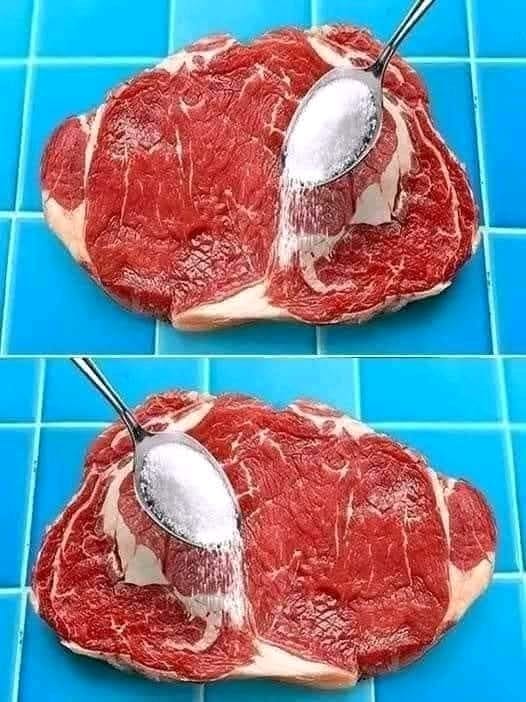
The Secret Ingredient: Baking Soda (Yes, Really)
It might sound unusual, but baking soda is one of the most effective meat tenderizers used by chefs, especially in Chinese and Asian cooking techniques.
Why It Works
Baking soda raises the pH level on the surface of the meat, which:
- Prevents proteins from tightening too quickly
- Helps meat retain moisture
- Creates a softer, more tender texture
This technique is often called “velveting.”
How to Use Baking Soda the Right Way
This is where most people go wrong—too much or too long can ruin flavor.
Step-by-Step Method
- Slice your meat thinly (works best for beef, chicken, or pork)
- Sprinkle ½ teaspoon baking soda per pound of meat
- Toss to coat evenly
- Let it sit for 15–20 minutes (no longer than 30)
- Rinse thoroughly under cold water
- Pat dry before cooking
Best For:
- Stir-fries
- Quick pan-seared dishes
- Tougher cuts like flank steak or chuck
Alternative Secret Ingredients (Used by Top Chefs)
While baking soda is powerful, it’s not the only trick in the book.
1. Yogurt or Buttermilk
Perfect for chicken and lamb.
- Contains natural acids and enzymes
- Breaks down protein gently
- Adds subtle tangy flavor
Tip: Marinate for 2–24 hours.
2. Pineapple or Papaya
These fruits contain natural enzymes:
- Bromelain (pineapple)
- Papain (papaya)
They break down muscle fibers quickly.
Warning: Use for short marination (30–60 minutes max), or meat can become mushy.
3. Salt (Dry Brining)
One of the simplest yet most overlooked methods.
- Salt draws out moisture, then reabsorbs it
- Breaks down protein structure
- Enhances flavor deeply
How to use:
- Salt meat generously
- Let sit for 1–24 hours in the fridge
4. Vinegar or Citrus Juice
Acid helps tenderize, but timing is key.
- Works best for thin cuts
- Adds bright flavor
Limit marination to 1–2 hours to avoid toughness.
Why Meat Becomes Tough in the First Place
Understanding this changes how you cook forever.
Main Causes of Tough Meat
- Overcooking
- Cooking at too high heat too quickly
- Using the wrong cut for the method
- Skipping pre-treatment (like marinating or tenderizing)
Tough Cuts vs Tender Cuts
| Tough Cuts | Best Cooking Method |
|---|---|
| Chuck | Slow cooking |
| Brisket | Braising |
| Round | Marinating |
| Tender Cuts | Best Cooking Method |
|---|---|
| Ribeye | Quick sear |
| Tenderloin | Grilling |
| Sirloin | Pan cooking |
Step-by-Step: Foolproof Tender Meat Every Time
Step 1: Choose the Right Cut
Don’t fight the meat—work with it.
Step 2: Use a Tenderizing Method
Pick one:
- Baking soda (quick method)
- Yogurt marinade (flavor + tenderness)
- Salt brine (deep seasoning)
Step 3: Control Cooking Temperature
- High heat for thin cuts
- Low and slow for tough cuts
Step 4: Don’t Overcook
Use a thermometer if needed.
Step 5: Let It Rest
Resting allows juices to redistribute.
5–10 minutes makes a huge difference.
Real-World Example: From Tough to Restaurant-Quality
A home cook in Texas struggled with chewy beef stir-fry for years.
After learning the baking soda method:
- Prep time increased by just 15 minutes
- Texture improved dramatically
- Family noticed the difference immediately
The biggest surprise?
“It tasted like takeout—but better.”
Pros and Cons of Each Tenderizing Method
Baking Soda
Pros:
- Fast
- Highly effective
- Great for stir-fries
Cons:
- Needs rinsing
- Can affect taste if overused
Yogurt/Buttermilk
Pros:
- Adds flavor
- Gentle tenderizing
Cons:
- Requires longer time
- Not ideal for all dishes
Fruit Enzymes
Pros:
- Extremely powerful
- Natural method
Cons:
- Easy to overdo
- Can turn meat mushy
Salt Brining
Pros:
- Enhances flavor deeply
- Improves moisture retention
Cons:
- Takes time
- Requires planning
Common Mistakes That Ruin Tenderness
1. Skipping the Prep Stage
Cooking alone won’t fix tough meat.
2. Over-marinating
Too much time = mushy texture.
3. Not Drying Meat Before Cooking
Wet meat won’t sear properly.
4. Constantly Flipping
Let it cook undisturbed for a proper crust.
Expert Tips Most People Don’t Know
- Slice against the grain to shorten muscle fibers
- Room temperature meat cooks more evenly
- Use a meat mallet for thick cuts
- Add a pinch of sugar to marinades for better browning
- Cast iron pans retain heat best for searing
2026 Cooking Trends: Tenderness Meets Technology
Modern kitchens are evolving.
- Smart thermometers prevent overcooking
- Sous vide cooking ensures perfect tenderness
- AI-powered cooking apps suggest ideal prep methods
Still, the basics—like baking soda and proper marination—remain unbeatable.
Future Outlook: Smarter Cooking at Home
As more people cook at home, understanding techniques like tenderizing is becoming essential—not optional.
Expect:
- More hybrid cooking methods
- Increased focus on texture, not just flavor
- Greater awareness of preparation science
FAQs (People Also Ask)
1. Does baking soda really make meat tender?
Yes. It changes the pH level, preventing proteins from tightening.
2. Can I skip rinsing baking soda?
No. It can leave an unpleasant taste if not rinsed.
3. What’s the fastest way to tenderize meat?
Baking soda is one of the quickest methods.
4. Is marinating always necessary?
Not always, but it significantly improves texture and flavor.
5. Why is my steak still tough?
It could be overcooked or sliced incorrectly.
6. Can I combine methods?
Yes—but carefully. Don’t overdo it.
7. Does freezing affect tenderness?
It can slightly break down fibers, helping tenderness.
8. What’s the best method for chicken?
Buttermilk or yogurt works extremely well.
9. How long should I rest meat after cooking?
At least 5–10 minutes.
10. Is tender meat always better?
For most dishes, yes—but some recipes benefit from chewiness.
Action Checklist: Tender Meat Every Time
- Choose the right cut
- Use a tenderizing method
- Control heat carefully
- Avoid overcooking
- Let meat rest before serving
Conclusion: The Difference Is in the Details
Tender meat isn’t luck—it’s technique.
That one simple step—adding baking soda before cooking—can completely transform your results.
But the real secret?
Understanding how meat works—and respecting the process.
Once you do, every meal becomes an opportunity to cook like a pro.
If you want restaurant-quality tenderness at home, start before the pan gets hot.
Tried one of these methods? Share your experience below—what worked best for you?