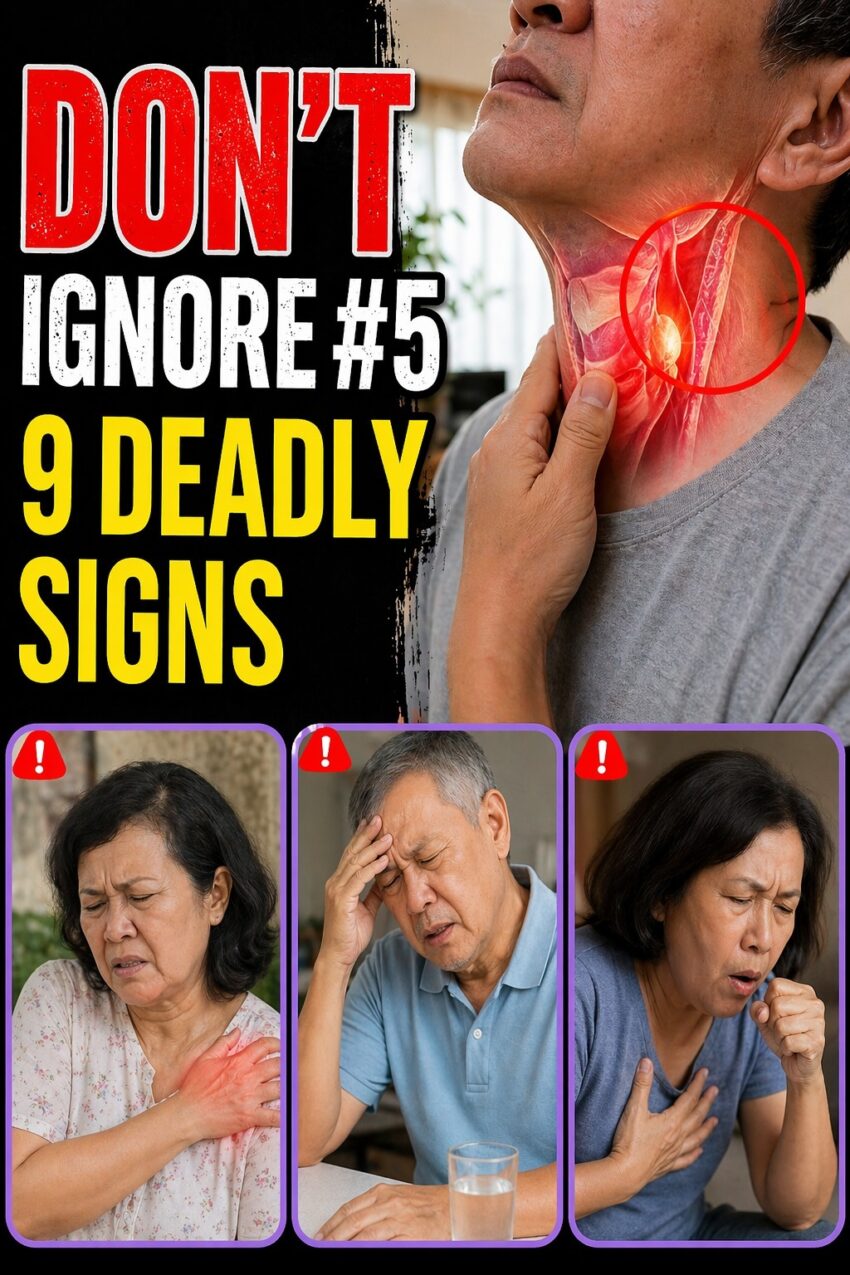
9 Warning Signs of Blocked Arteries in Your Neck (Don’t Ignore #5 — It Could Be Serious)
Learn 9 early warning signs of blocked neck arteries (carotid artery disease), how to recognize stroke risk symptoms, and when to seek urgent care.
Most people don’t think about the arteries in their neck until something goes wrong.
They’re quiet, invisible, and easy to ignore—until they aren’t.
But here’s the reality: narrowing or blockage in these arteries can develop silently over years, and in some cases, the first noticeable sign may be something serious like a transient ischemic attack (TIA) or stroke warning symptoms.
That’s why understanding early warning signs matters.
This guide breaks down what doctors actually look for, what symptoms should never be ignored, and when to seek medical attention immediately.
What Are Neck Arteries and Why Do They Matter?
The main arteries in your neck are called the carotid arteries. They supply oxygen-rich blood to your brain.
When these arteries become narrowed due to plaque buildup, it’s known as:
Carotid artery disease
This condition increases the risk of stroke if blood flow to the brain is reduced or blocked.
Why Blocked Neck Arteries Are Dangerous
The biggest concern isn’t discomfort—it’s reduced blood flow to the brain.
This can lead to:
- Mini-strokes (TIAs)
- Major stroke
- Permanent neurological damage
According to Centers for Disease Control and Prevention, stroke is a leading cause of long-term disability, making early detection extremely important.
9 Warning Signs of Blocked Arteries in the Neck
1. Sudden Weakness on One Side of the Body
This may affect:
- Arm
- Leg
- Face
Even if it lasts only a few minutes, it should be taken seriously.
2. Sudden Numbness or Tingling
Especially if it appears on one side of the body without injury.
3. Trouble Speaking or Understanding Speech
You may notice:
- Slurred speech
- Confusion
- Difficulty finding words
4. Sudden Vision Problems
This can include:
- Blurred vision
- Partial vision loss in one eye
- “Curtain-like” vision changes
5. Severe or Sudden Dizziness (DON’T IGNORE THIS ONE)
This symptom is often overlooked.
It may feel like:
- Loss of balance
- Spinning sensation
- Sudden instability while walking
If it appears suddenly and without explanation, it could signal reduced blood flow to the brain.
6. Loss of Coordination
Difficulty:
- Walking straight
- Holding objects
- Performing simple tasks
7. Sudden Severe Headache
Especially if it feels unusual or different from normal headaches.
8. Temporary Loss of Consciousness or Fainting
This may indicate reduced blood flow to the brain.
9. Mini-Stroke Symptoms (TIA)
A transient ischemic attack is often called a “warning stroke.”
Symptoms may disappear within minutes—but should never be ignored.
Why These Symptoms Can Come and Go
One of the most dangerous aspects of carotid artery issues is that symptoms may:
- Appear suddenly
- Last only a few minutes
- Disappear completely
This often leads people to delay seeking help—but that delay can be risky.
Who Is at Higher Risk?
You may have higher risk if you have:
- High blood pressure
- High cholesterol
- Diabetes
- Smoking history
- Sedentary lifestyle
These factors contribute to plaque buildup in arteries over time.
What Causes Blockages in Neck Arteries?
The main cause is plaque buildup from:
- Fat deposits
- Cholesterol
- Calcium
- Cellular waste
This process is called atherosclerosis.
When to Seek Emergency Help
Call emergency services immediately if you experience:
- Facial drooping
- Arm weakness
- Speech difficulty
- Sudden vision loss
These may indicate a stroke in progress.
Real-Life Scenario
A 68-year-old man notices brief episodes of dizziness and mild speech difficulty.
He ignores them because they resolve quickly.
Weeks later, a full stroke occurs.
Doctors later confirm underlying carotid artery narrowing that had been progressing silently.
Early evaluation could have changed the outcome.
How Doctors Diagnose Carotid Artery Disease
Common tests include:
- Ultrasound imaging
- CT angiography
- MRI scans
These help assess blood flow and detect narrowing.
Treatment Options
Depending on severity, treatment may include:
Lifestyle changes
- Diet improvements
- Exercise
- Smoking cessation
Medication
- Blood thinners
- Cholesterol-lowering drugs
Medical procedures
- Carotid endarterectomy
- Stenting
Prevention Strategies
Simple habits can reduce risk:
- Control blood pressure
- Maintain healthy cholesterol
- Stay physically active
- Eat a balanced diet
Pros and Cons of Early Awareness
Pros
- Faster medical intervention
- Reduced stroke risk
- Better long-term outcomes
Cons
- Can cause anxiety if misinterpreted
- Requires medical evaluation for clarity
Common Mistakes People Make
- Ignoring temporary symptoms
- Assuming dizziness is harmless
- Delaying medical checkups
- Self-diagnosing without imaging
Expert Insight
Medical professionals emphasize one key point:
Transient symptoms are often the body’s earliest warning system.
Ignoring them is the biggest risk.
FAQs (People Also Ask Style)
1. Can blocked arteries in the neck be reversed?
They can often be managed or treated, but not always fully reversed.
2. Are symptoms always obvious?
No, early stages can be silent.
3. Is dizziness always a sign of blockage?
No, but sudden unexplained dizziness should be evaluated.
4. Can young people get carotid artery disease?
It is more common in older adults but can occur earlier with risk factors.
5. What is a mini-stroke?
A temporary blockage of blood flow to the brain (TIA).
6. How serious is carotid artery disease?
It can lead to stroke if untreated.
7. Can lifestyle changes help?
Yes, they play a major role in prevention.
8. Should I worry about occasional dizziness?
Only if it is sudden, severe, or unexplained.
9. Is surgery always required?
No, only in more severe cases.
10. What is the most dangerous symptom?
Sudden weakness or speech difficulty.
Action Checklist
- ✔ Monitor sudden neurological symptoms
- ✔ Control blood pressure and cholesterol
- ✔ Avoid smoking
- ✔ Seek medical evaluation if symptoms appear
- ✔ Do not ignore temporary episodes
Blocked arteries in the neck often develop silently—but the body can give warning signs if you know what to look for.
The key is not fear, but awareness.
Recognizing symptoms early can make a critical difference in preventing serious outcomes like stroke.
Temporary symptoms are not always harmless.
When it comes to carotid artery health, early attention can save brain function—and potentially save lives.