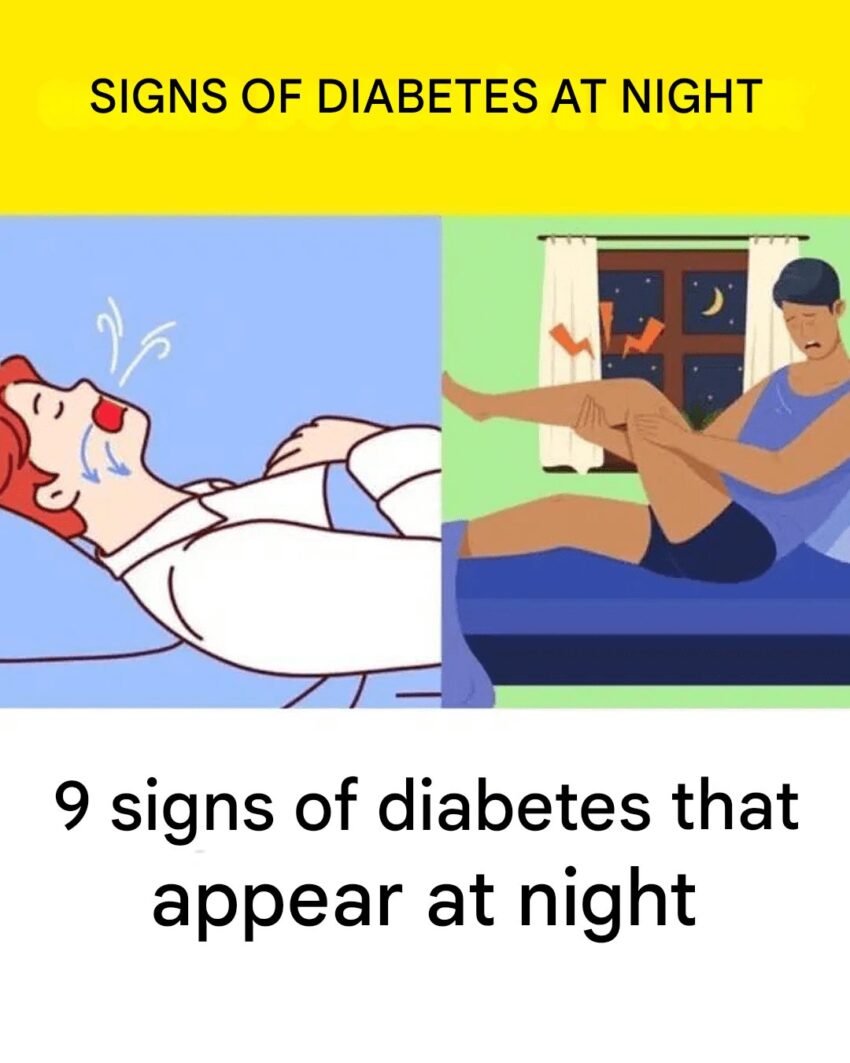
9 Signs of Diabetes That Appear at Night (Early Warning Symptoms You Should Not Ignore)
Discover 9 nighttime signs of diabetes, why they happen, and how blood sugar changes during sleep may affect your body and health.
Most people expect diabetes symptoms to show up during the day—thirst, fatigue, or frequent urination.
But in reality, some of the earliest and most noticeable warning signs can appear at night, when your body is resting and regulating blood sugar in the background.
The challenge is that nighttime symptoms are easy to miss. You may wake up briefly, feel uncomfortable, or sleep poorly—but dismiss it as stress, age, or lifestyle.
However, repeated nighttime disturbances can sometimes be linked to blood sugar imbalance and early metabolic changes, including conditions like Type 2 Diabetes.
This guide explains 9 important nighttime signs of diabetes, why they happen, and when they deserve attention.
Why Diabetes Symptoms Often Show Up at Night
During sleep, your body goes through important hormonal and metabolic changes:
- Blood sugar is regulated differently than during the day
- The liver releases stored glucose
- Insulin sensitivity can fluctuate
- Hormones like cortisol and growth hormone shift levels
When blood sugar control is not stable, these processes can be disrupted—leading to noticeable symptoms during the night.
1. Waking Up Frequently to Urinate
One of the most common nighttime symptoms is frequent urination.
When blood sugar is high, the kidneys work harder to remove excess glucose. This pulls more water into urine.
You may notice:
- Waking up multiple times at night
- Interrupted sleep
- Feeling dehydrated afterward
2. Excessive Night Thirst
If your body loses too much fluid through urination, it can lead to dehydration.
This may cause:
- Dry mouth during sleep
- Waking up needing water
- Persistent thirst at night
3. Night Sweats or Sudden Warm Sensation
Blood sugar drops or fluctuations during sleep can trigger hormonal responses.
This may result in:
- Sweating during sleep
- Feeling suddenly hot or uncomfortable
- Waking up restless
4. Restless or Light Sleep
Unstable glucose levels can affect brain activity during sleep cycles.
You might experience:
- Difficulty staying asleep
- Frequent tossing and turning
- Reduced deep sleep
5. Nighttime Hunger or Cravings
Low blood sugar during sleep can trigger hunger signals.
This may cause:
- Waking up hungry
- Sudden cravings for sweets or snacks
- Feeling weak or shaky
6. Morning Headaches
Blood sugar imbalance can affect brain energy regulation overnight.
You may wake up with:
- Mild to moderate headaches
- Pressure in the head
- Fatigue despite sleep
7. Tingling or Numbness in Hands and Feet
Long-term high blood sugar can affect nerves, a condition known as neuropathy.
At night, symptoms may feel more noticeable:
- Tingling sensations
- Pins-and-needles feeling
- Burning discomfort
8. Unexplained Nighttime Wake-Ups
Some people wake up repeatedly without a clear reason:
- No need to urinate
- No noise or disturbance
- Just sudden alertness
This may be linked to hormonal or metabolic fluctuations affecting sleep cycles.
9. Feeling Tired Even After Sleeping
Poor overnight blood sugar control can reduce sleep quality.
As a result, you may wake up feeling:
- Exhausted
- Mentally foggy
- Not fully rested
When These Signs Become Important
Occasional symptoms are normal. But concern increases when:
- Multiple symptoms occur regularly
- Symptoms persist for weeks or months
- Daytime fatigue is also present
- There is a family history of diabetes
What Causes These Nighttime Symptoms?
Common contributing factors include:
- Insulin resistance
- High sugar intake in the evening
- Irregular meal timing
- Sedentary lifestyle
- Chronic stress
- Poor sleep habits
Simple Habits That May Help Stabilize Blood Sugar
1. Eat Balanced Evening Meals
Include protein, fiber, and healthy fats to slow glucose spikes.
2. Avoid Late Sugar Intake
Sugary snacks before bed can disrupt overnight blood sugar balance.
3. Stay Physically Active
Regular movement improves insulin sensitivity.
4. Maintain a Consistent Sleep Schedule
Stable sleep supports hormonal regulation.
5. Manage Stress Levels
Chronic stress can impact glucose control.
Real-Life Scenario
A person begins waking up at 3–4 AM frequently with thirst and restlessness.
At first, they assume it’s stress. Over time, fatigue and nighttime urination increase.
A medical check reveals elevated blood sugar levels. After lifestyle adjustments, symptoms gradually improve.
The key takeaway: early signs are often subtle but consistent.
Common Mistakes People Make
- Ignoring repeated nighttime wake-ups
- Assuming thirst is only dehydration
- Self-diagnosing without testing
- Delaying medical evaluation
Frequently Asked Questions
1. Are nighttime symptoms always diabetes?
No, but they can be early warning signs of blood sugar imbalance.
2. Why do I wake up thirsty at night?
It may be related to dehydration or high blood sugar.
3. Can diabetes affect sleep quality?
Yes, blood sugar fluctuations can disrupt sleep cycles.
4. Is night sweating a warning sign?
It can be, especially with other symptoms.
5. Should I get tested if I notice these signs?
Yes, especially if symptoms are frequent or persistent.
6. Can lifestyle changes help?
Yes, they can improve blood sugar control.
7. Does diabetes always show symptoms early?
No, early stages can be silent.
8. Is fatigue after sleep a concern?
If persistent, it should be evaluated.
Action Checklist
- ✔ Track recurring nighttime symptoms
- ✔ Reduce evening sugar intake
- ✔ Maintain regular sleep schedule
- ✔ Stay active daily
- ✔ Consider blood sugar testing if needed
- ✔ Don’t ignore persistent patterns
Conclusion
Nighttime symptoms can be one of the earliest clues that your body is struggling with blood sugar regulation. While they don’t automatically mean diabetes, they should not be ignored when they happen regularly.
Awareness is the first step toward prevention and better long-term health.
Diabetes often develops quietly—and nighttime symptoms can be one of the earliest signals your body gives.