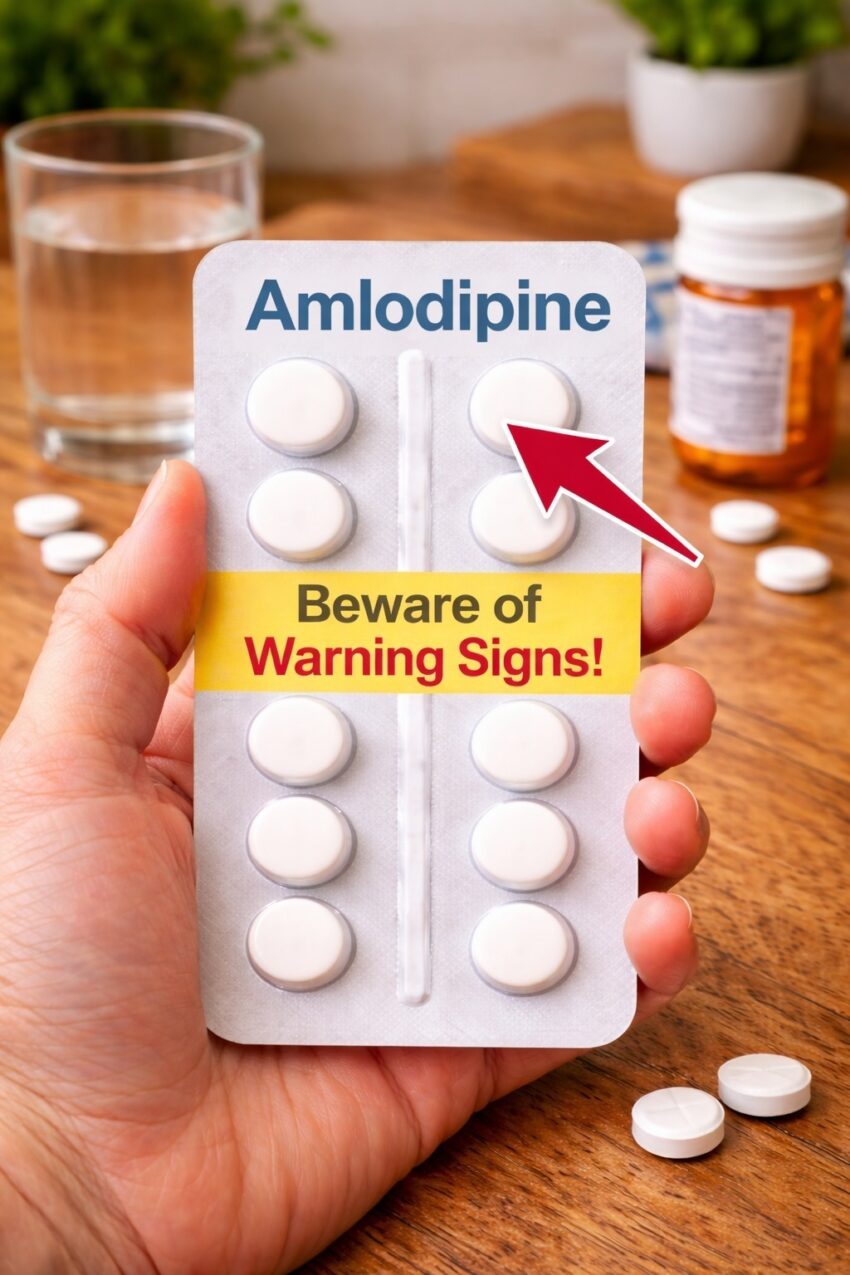
8 Habits You Should Stop This Year If You Are Taking Amlodipine (Doctor-Aware Guide for Better Blood Pressure Control)
If you take Amlodipine for high blood pressure, these 8 everyday habits may reduce its effectiveness or increase side effects. Learn what to avoid and why.
When a Small Daily Habit Starts Working Against Your Blood Pressure Medicine
If you’re taking Amlodipine, you already know the goal is simple: keep your blood pressure stable and reduce the risk of heart attack, stroke, and long-term cardiovascular damage.
But here’s something many people don’t realize:
Medication alone doesn’t do the job. Your daily habits either support it—or quietly work against it.
Across the United States, cardiologists often see the same pattern. A patient is prescribed Amlodipine, their numbers improve briefly, and then things slowly drift back up. Not because the medication stopped working—but because lifestyle habits are interfering with its effectiveness.
Some habits reduce its impact. Others increase side effects like swelling, dizziness, or fatigue.
This guide breaks down 8 habits you should stop this year if you are taking Amlodipine, explained clearly, realistically, and without medical jargon overload.
First, a Quick Understanding: What Amlodipine Does
Amlodipine is a calcium channel blocker commonly prescribed for:
- High blood pressure (hypertension)
- Chest pain (angina)
- Blood vessel relaxation
It works by relaxing blood vessels so blood flows more easily, reducing pressure on the heart.
But its effectiveness can be influenced by:
- Salt intake
- Alcohol consumption
- Physical activity levels
- Other medications
- Daily stress and sleep habits
Think of it like a steady hand trying to balance your system—your habits determine whether that balance stays stable or wobbles.
8 Habits You Should Stop If You Are Taking Amlodipine
1. Excessive Salt Intake Without Realizing It
This is one of the most common issues in American diets.
Even if you don’t add salt to food, you may still be consuming high sodium through:
- Processed foods
- Fast food meals
- Canned soups
- Frozen dinners
- Snacks like chips and crackers
Why it matters
Salt causes the body to retain water, increasing blood volume and raising blood pressure—directly opposing what Amlodipine is trying to do.
Simple reality check
A “normal” American diet often exceeds recommended sodium levels without awareness.
Better habit
- Read food labels
- Choose low-sodium options
- Cook more at home when possible
2. Drinking Alcohol Regularly or in High Amounts
Alcohol and Amlodipine can be a problematic combination for many people.
What can happen:
- Increased dizziness
- Lowered blood pressure spikes
- Headaches
- Increased heart strain
Why it matters
Alcohol can temporarily widen blood vessels, which may amplify Amlodipine’s effects unpredictably.
Better habit
- Limit alcohol intake
- Avoid binge drinking
- Always discuss alcohol use with your doctor
3. Skipping Medication or Taking It Irregularly
This seems obvious—but it’s more common than most people think.
People skip doses because:
- They feel “fine”
- They forget
- They experience mild side effects
Why it’s dangerous
Amlodipine works best when maintained at steady levels in the bloodstream. Irregular use leads to unstable blood pressure control.
Better habit
- Take it at the same time daily
- Use reminders or pill organizers
- Never double-dose without medical advice
4. Sitting for Long Periods Without Movement
Sedentary lifestyle is a silent blood pressure driver.
What happens when you sit too long:
- Reduced circulation
- Weight gain over time
- Increased cardiovascular strain
Why it matters with Amlodipine
The medication helps blood flow, but inactivity slows circulation improvements.
Better habit
- Stand or walk every 30–60 minutes
- Take short daily walks
- Incorporate light stretching
5. Ignoring Persistent Swelling in Feet or Ankles
Amlodipine can sometimes cause peripheral edema (swelling in lower limbs).
What many people do wrong
They ignore it or assume it’s just “aging.”
Why it matters
Swelling can indicate that blood vessels are relaxing too much in certain areas.
Better habit
- Monitor swelling regularly
- Elevate legs when resting
- Report persistent swelling to a healthcare provider
6. Eating High-Fat, Highly Processed Meals Frequently
Fast food and ultra-processed meals can counteract blood pressure control.
Why it matters:
- Increases cholesterol
- Promotes arterial stiffness
- Contributes to weight gain
Impact with Amlodipine
The medication supports vascular relaxation—but poor diet keeps arteries under stress.
Better habit
- Focus on whole foods
- Increase fruits and vegetables
- Choose lean proteins
7. Overlooking Dehydration
Many people don’t connect hydration with blood pressure—but it plays a role.
What dehydration can cause:
- Dizziness
- Fatigue
- Blood pressure fluctuations
Why it matters with Amlodipine
Since Amlodipine affects vascular tone, dehydration can amplify side effects like lightheadedness.
Better habit
- Drink water consistently throughout the day
- Avoid excessive caffeine
- Monitor hydration during hot weather
8. High Stress Lifestyle Without Recovery
Chronic stress is one of the most underestimated blood pressure triggers in the United States.
What stress does:
- Raises cortisol levels
- Tightens blood vessels
- Disrupts sleep
- Increases heart workload
Why it matters
Even with medication, unmanaged stress keeps blood pressure unstable.
Better habit
- Practice deep breathing or mindfulness
- Prioritize sleep quality
- Take breaks during the day
- Limit overstimulation
Real-World Scenario: When Habits Undermine Medication
A 62-year-old man in California was prescribed Amlodipine after being diagnosed with hypertension. His readings improved initially.
But over time:
- He continued eating fast food daily
- Rarely exercised
- Skipped doses when “busy”
- Experienced recurring dizziness
Eventually, his blood pressure became inconsistent again—not because the medication stopped working, but because daily habits were counteracting it.
Once lifestyle changes were introduced alongside medication, his readings stabilized significantly.
Common Mistakes Patients Make
1. Thinking medication alone is enough
Amlodipine supports your system—it doesn’t replace healthy habits.
2. Stopping medication when symptoms improve
High blood pressure often has no symptoms.
3. Ignoring small side effects
Swelling, fatigue, or dizziness should be discussed with a doctor.
4. Not tracking blood pressure at home
Monitoring helps detect patterns early.
Expert Tips Most People Don’t Hear Often
- Take Amlodipine at the same time every day
- Avoid grapefruit unless approved by your doctor (can affect medication metabolism)
- Pair medication with lifestyle improvements for best results
- Small, consistent changes matter more than drastic ones
The Bigger Picture: Managing Blood Pressure in 2026
Healthcare trends in the United States are increasingly focused on:
- Preventive cardiology
- Digital blood pressure monitoring
- Lifestyle-first treatment support
- Personalized medication adjustments
The goal is no longer just treating hypertension—it’s managing it sustainably through combined medical and lifestyle strategies.
Frequently Asked Questions
1. Can I drink coffee while taking Amlodipine?
Yes, but moderation is key as caffeine may affect blood pressure.
2. Does Amlodipine cause weight gain?
Not directly, but fluid retention can occur in some people.
3. Can I exercise while on this medication?
Yes, regular exercise is encouraged.
4. Why do my ankles swell on Amlodipine?
It may be a known side effect called peripheral edema.
5. Should I stop salt completely?
No, but reducing excess sodium is important.
6. Is dizziness normal when starting Amlodipine?
It can happen initially but should be monitored.
7. Can I stop medication if my blood pressure improves?
Only under medical supervision.
8. Does stress affect how Amlodipine works?
Yes, stress can counteract blood pressure control.
Amlodipine is a powerful and widely used medication—but its success depends heavily on what happens outside the pharmacy bottle.
The goal isn’t perfection. It’s awareness.
By adjusting a few daily habits, you give your medication the best possible chance to do its job—and you give your heart a healthier, more stable future.
If you take Amlodipine, reducing salt intake, limiting alcohol, staying active, managing stress, and avoiding inconsistent medication use can significantly improve blood pressure control and overall heart health.
If this helped clarify something important, consider sharing it. Sometimes the smallest habit change makes the biggest difference in long-term health.