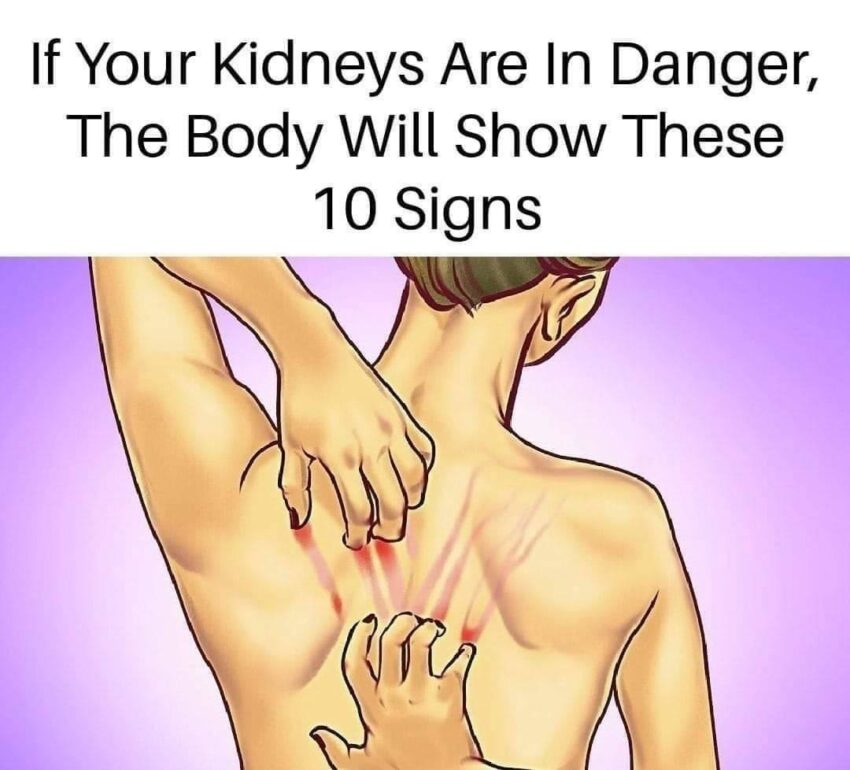
10 Symptoms of Kidney Disease You Should Never Ignore 🩺 (Early Warning Signs Explained Simply)
Learn the 10 early symptoms of kidney disease, how to recognize warning signs, and when to seek medical help for better kidney health.
When Your Body Starts Whispering Before It Shouts…
Kidney disease rarely appears overnight.
Instead, it develops quietly—often without obvious symptoms in the beginning. Your body keeps adapting, compensating, and masking the problem until things become more serious.
That’s why many people only realize something is wrong when the signs are already harder to reverse.
Your kidneys are essential filters that remove waste, balance fluids, and regulate important minerals in your body. When they begin to struggle, subtle signals start to appear.
Understanding those early signs can make a real difference.
Let’s walk through the 10 key symptoms of kidney disease in a clear, simple, and practical way.
1. Persistent Fatigue and Low Energy
One of the earliest and most common symptoms is constant tiredness.
Why it happens:
When kidneys are not functioning properly, toxins build up in the blood. This can make you feel:
- Weak
- Sluggish
- Mentally foggy
Additionally, kidney disease can lead to anemia, which reduces oxygen delivery in the body.
👉 If you feel exhausted even after rest, it’s worth paying attention.
2. Swelling in Feet, Ankles, or Hands
Kidneys help remove excess fluid from your body.
When they don’t work properly, fluid starts to build up.
You may notice:
- Puffy ankles
- Swollen feet
- Swelling in hands or face
This condition is called fluid retention and is a key warning sign.
3. Changes in Urination
Your urine often tells the first story about kidney health.
Watch for:
- Foamy or bubbly urine
- Frequent urination (especially at night)
- Reduced urine output
- Dark or unusual color
These changes can signal reduced filtering ability.
4. Blood in Urine
Seeing blood in urine is a serious warning sign.
It may appear:
- Pink
- Red
- Cola-colored
This can be associated with conditions like Chronic Kidney Disease or infections.
👉 This symptom should never be ignored.
5. High Blood Pressure That’s Hard to Control
Kidneys play a major role in regulating blood pressure.
When they are damaged, blood pressure may:
- Increase unexpectedly
- Become difficult to manage
- Require multiple medications
This creates a dangerous cycle where high blood pressure also further damages the kidneys.
6. Loss of Appetite and Nausea
As waste builds up in the body, it can affect your digestive system.
You might experience:
- Reduced appetite
- Nausea
- Feeling full quickly
- Occasional vomiting
This is often mistaken for simple stomach issues, which delays diagnosis.
7. Muscle Cramps and Weakness
Kidneys help maintain proper levels of electrolytes like:
- Calcium
- Potassium
- Sodium
When imbalanced, you may feel:
- Muscle cramps
- Twitching
- General weakness
This is often more noticeable at night.
8. Itchy Skin
Persistent itching without a clear cause can be linked to kidney problems.
Why it happens:
When waste builds up in the blood, it can affect skin health and nerve sensitivity.
You may notice:
- Dry skin
- Constant itching
- Irritation without rash
9. Shortness of Breath
This symptom can appear due to:
- Extra fluid in the lungs
- Anemia (low oxygen levels)
You might feel:
- Breathless after small activities
- Tightness in the chest
- Difficulty lying flat
10. Difficulty Concentrating
Brain fog is another overlooked symptom.
You may experience:
- Trouble focusing
- Memory issues
- Confusion
- Slower thinking
This is linked to toxin buildup affecting brain function.
Real-Life Scenario
Mark, 47, office worker in Chicago
- Initially noticed fatigue and occasional swelling in feet
- Ignored symptoms for months
- Later developed high blood pressure and reduced energy
After medical evaluation, he was diagnosed with early-stage kidney disease.
With lifestyle changes and treatment:
- Symptoms stabilized
- Energy improved
- Disease progression slowed
👉 Early awareness made a major difference.
Why Kidney Disease Often Goes Undetected
Kidney disease is sometimes called a “silent condition” because:
- Early symptoms are mild
- They mimic common issues (fatigue, stress, dehydration)
- People delay medical checkups
By the time symptoms become obvious, the condition may already be advanced.
Who Is at Higher Risk?
You may be at increased risk if you have:
- Diabetes
- High blood pressure
- Family history of kidney disease
- Heart disease
- Poor diet or dehydration habits
A related condition is Diabetes, which is one of the leading causes of kidney damage.
When You Should See a Doctor
Seek medical advice if you notice:
- Persistent swelling
- Changes in urine
- Long-term fatigue
- High blood pressure issues
- Multiple symptoms together
Early testing can help prevent complications.
Simple Ways to Support Kidney Health
While medical treatment is essential, lifestyle habits also matter:
- Stay hydrated (but not excessive)
- Reduce processed salt intake
- Eat balanced meals
- Control blood sugar levels
- Exercise regularly
- Avoid unnecessary painkillers
Frequently Asked Questions
1. Can kidney disease be reversed?
Early stages can often be managed, but advanced damage may not be reversible.
2. Is kidney disease painful?
Usually not in early stages, which is why it often goes unnoticed.
3. How is kidney disease diagnosed?
Through blood tests, urine tests, and imaging.
4. Can healthy people get kidney disease?
Yes, but risk is much higher with conditions like diabetes and hypertension.
5. Does drinking water help kidneys?
Yes, proper hydration supports kidney function, but balance is important.
6. Are symptoms always obvious?
No. Many people have no symptoms until the disease progresses.
Action Checklist
- Watch for fatigue and swelling
- Monitor changes in urination
- Check blood pressure regularly
- Don’t ignore persistent symptoms
- Get routine medical tests if at risk
Kidney disease often starts quietly—but your body gives warning signs if you know what to look for.
Recognizing these early symptoms can help protect kidney function, improve quality of life, and prevent serious complications.
Your kidneys work silently every day—filtering, balancing, and protecting your body.
Paying attention to early signs isn’t fear—it’s awareness.
If this helped you understand kidney health better, share it with someone who might benefit—or leave a comment with your thoughts or questions.