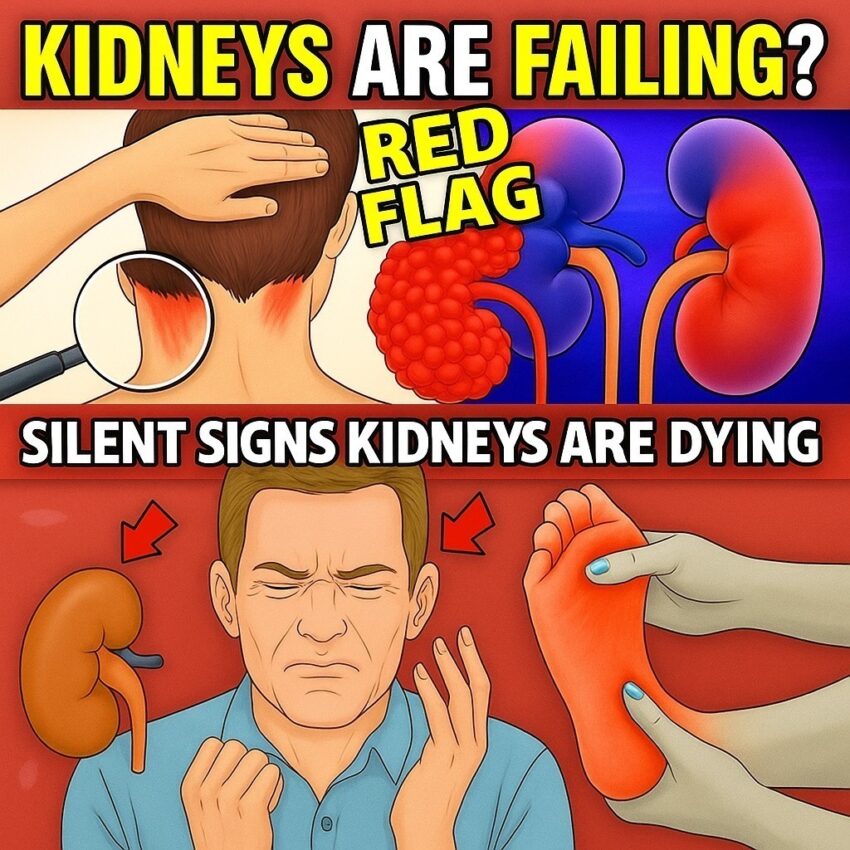
10 Silent Signs Your Kidneys May Be Struggling (And Why Most People Miss Them)
Kidney problems often develop quietly. Learn 10 early warning signs of kidney decline and when to seek medical attention.
The Problem Nobody Notices Until It’s Advanced
Your kidneys don’t usually “shout” when something is wrong.
Instead, they whisper.
That’s what makes kidney issues so dangerous—by the time obvious symptoms appear, the condition may already be advanced.
In the United States, kidney disease is often linked to conditions like diabetes and high blood pressure, and many people don’t realize they’re at risk until routine testing reveals it.
This guide breaks down the silent warning signs you should never ignore.
Why Kidney Health Matters More Than You Think
Your kidneys are responsible for:
- Filtering waste from the blood
- Balancing fluids and electrolytes
- Regulating blood pressure
- Supporting red blood cell production
When they start to fail, the effects show up throughout the entire body, not just in one place.
1. Constant Fatigue and Low Energy
Feeling tired all the time—even after rest—can be an early sign.
When kidneys don’t filter properly:
- Toxins build up in the blood
- Oxygen delivery becomes less efficient
- Fatigue increases
This is often mistaken for stress or poor sleep.
2. Swelling in Feet, Ankles, or Hands
Healthy kidneys remove excess fluid.
When they struggle:
- Fluid builds up in tissues
- Swelling (edema) appears
You may notice tight shoes or puffy fingers.
3. Changes in Urination
One of the earliest indicators.
Watch for:
- Foamy urine
- Frequent urination at night
- Reduced urine output
- Dark or unusual color
These changes may signal reduced filtering ability.
4. Back or Side Pain (Near the Kidneys)
Pain may appear:
- Below the ribs
- On one or both sides
- As a dull or persistent ache
This is not always severe at first, which is why it’s often ignored.
5. Persistent Itching
When waste builds up in the blood, it can cause:
- Dry skin
- Ongoing itching without rash
This symptom is often overlooked or treated as a skin issue.
6. Metallic Taste or Bad Breath
Waste buildup can affect taste and breath.
People may notice:
- Strange metallic taste
- Ammonia-like breath odor
- Loss of appetite
7. Nausea or Loss of Appetite
As toxin levels rise, digestion can be affected.
This may lead to:
- Feeling full quickly
- Reduced interest in food
- Occasional nausea
8. Muscle Cramps
Kidneys help balance electrolytes like calcium, sodium, and potassium.
Imbalance can cause:
- Leg cramps
- Muscle spasms
- Weakness
9. Shortness of Breath
Fluid buildup or anemia related to kidney issues can lead to:
- Difficulty breathing
- Feeling winded easily
- Reduced stamina
10. High Blood Pressure That’s Hard to Control
Kidneys play a key role in regulating blood pressure.
If they are not functioning properly:
- Blood pressure may rise
- Medication may become less effective
This creates a dangerous cycle.
The Bigger Picture: A Slow and Silent Process
Kidney disease often develops gradually.
In conditions like Chronic Kidney Disease, symptoms may take years to become noticeable.
That’s why early detection is critical.
Who Is at Higher Risk?
You should be extra cautious if you have:
- Diabetes
- High blood pressure
- Family history of kidney disease
- Heart disease
- Long-term use of certain medications
Real-Life Scenario
Someone feels:
- Constant fatigue
- Occasional swelling in ankles
- Mild changes in urination
They assume it’s stress.
A routine checkup later reveals early-stage kidney dysfunction—something that could have been managed earlier with timely intervention.
When to See a Doctor
You should not ignore symptoms if:
- Multiple signs appear together
- Symptoms persist for weeks
- Swelling or fatigue worsens
- Urination changes are consistent
Simple blood and urine tests can provide clarity.
How Kidney Health Is Tested
Doctors may use:
- Blood tests (creatinine, GFR)
- Urine tests (protein levels)
- Blood pressure monitoring
These tests are simple but highly informative.
How to Support Kidney Health
1. Stay Hydrated
Water helps kidneys flush waste.
2. Control Blood Pressure
One of the most important protective steps.
3. Manage Blood Sugar
Especially important for preventing Type 2 Diabetes complications.
4. Reduce Excess Salt
High sodium intake increases kidney strain.
5. Avoid Overusing Painkillers
Long-term misuse can affect kidney function.
Common Mistakes People Make
Ignoring early fatigue
Assuming it’s just lifestyle-related.
Self-diagnosing
Relying on symptoms alone instead of testing.
Waiting for pain
Kidney disease often progresses without pain.
Pros and Cons of Early Awareness
Pros
- Early treatment options
- Slower disease progression
- Better long-term outcomes
Cons
- Anxiety if misunderstood
- Requires regular monitoring
FAQs (People Also Ask)
1. Do kidney problems show symptoms early?
Often no—they develop silently.
2. Can kidney disease be reversed?
Early stages can often be managed or slowed.
3. Is swelling always a kidney problem?
No—it can have many causes.
4. What is the first sign of kidney disease?
Often fatigue or changes in urination.
5. Can dehydration affect kidneys?
Yes, it can temporarily impact function.
6. Is kidney pain common?
Not always—many people feel no pain early on.
7. Who should get tested regularly?
People with diabetes, high blood pressure, or risk factors.
8. Are kidney diseases common in the U.S.?
Yes, millions of people are affected.
Action Checklist
- ✔ Watch for multiple symptoms together
- ✔ Monitor urine and energy changes
- ✔ Control blood pressure and sugar
- ✔ Stay hydrated
- ✔ Get routine health checkups
Kidney disease is often called a “silent condition” for a reason.
It doesn’t usually start with dramatic symptoms—it starts with subtle changes that are easy to ignore.
Paying attention early can make a major difference in long-term health.
Kidney failure rarely happens suddenly. It develops quietly—so recognizing early signs is your best protection.
Have you ever noticed any of these symptoms and wondered what they meant?
Share your experience—it might help someone else take action earlier.