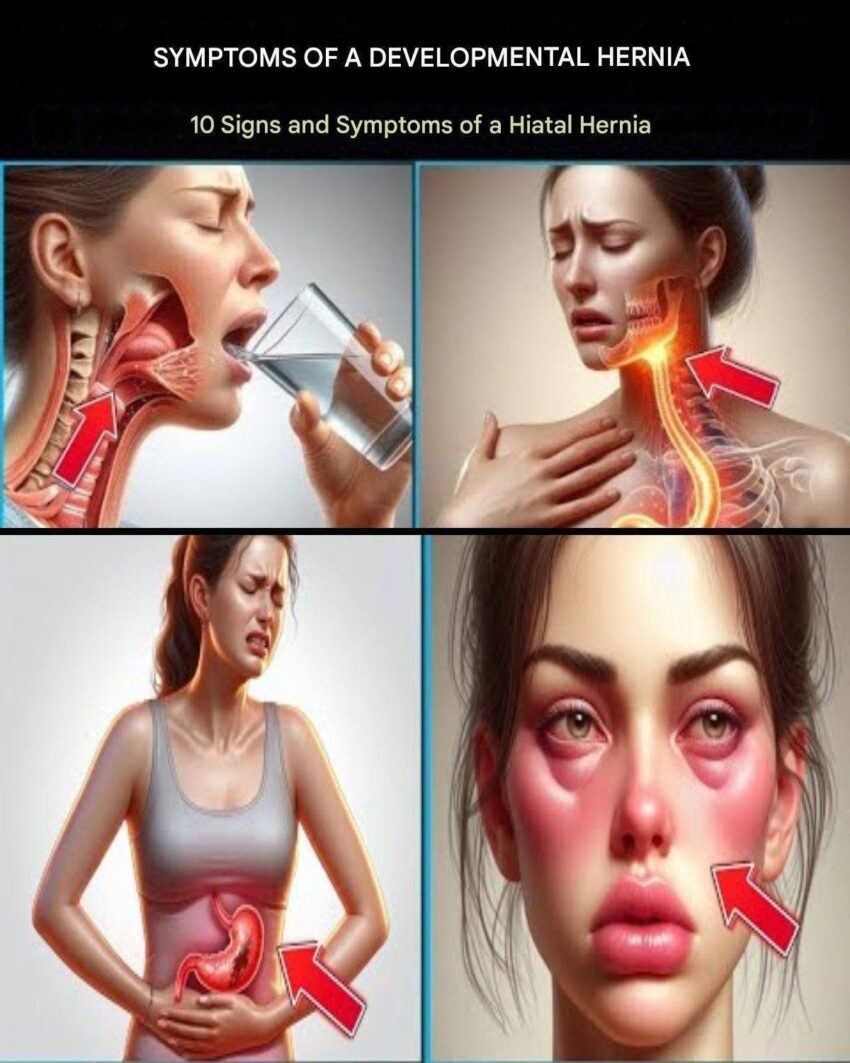
10 Signs and Symptoms of Hiatal Hernia You Should Know (What Your Body May Be Telling You)
Learn the 10 common signs of hiatal hernia, how they feel, when to worry, and what doctors recommend for diagnosis and relief.
When “Heartburn” Isn’t Just Heartburn
You eat a normal meal. Nothing extreme. Nothing spicy.
But shortly after, there’s a burning sensation in your chest. Maybe a feeling of fullness that won’t go away. Sometimes even shortness of breath or discomfort when lying down.
Most people in the United States assume it’s just acid reflux.
But in some cases, the real cause is something different: a hiatal hernia.
And here’s the tricky part—many people live with it for years without realizing it.
Hiatal hernia symptoms often overlap with common digestive issues, which makes it easy to overlook until it starts affecting daily comfort.
This guide breaks down the 10 most important signs and symptoms of hiatal hernia, how they feel in real life, and when it’s time to seek medical advice.
What Is a Hiatal Hernia? (Simple Explanation)
A hiatal hernia happens when part of the stomach pushes upward through the diaphragm into the chest area.
The diaphragm is a muscle that separates your chest from your abdomen, and it has a small opening (hiatus) for the esophagus.
When the stomach slips through this opening, it can lead to:
- Acid reflux
- Chest discomfort
- Digestive issues
According to medical organizations like the Mayo Clinic, hiatal hernias are fairly common, especially in adults over 50.
Many people don’t even know they have one.
Why Hiatal Hernia Symptoms Are Often Missed
The symptoms often mimic:
- GERD (acid reflux disease)
- Indigestion
- Stress-related chest discomfort
- Heart-related issues (in some cases)
Because of this overlap, people may treat the wrong problem for months—or even years.
That’s why understanding the pattern of symptoms is so important.
1. Frequent Heartburn (Especially After Eating)
One of the most common symptoms is persistent heartburn.
What it feels like:
- Burning sensation in the chest
- Worse after meals
- Often worse when lying down
Why it happens:
Stomach acid moves upward more easily when the stomach is displaced.
If heartburn becomes frequent—even with simple foods—it may signal something more than diet-related acid reflux.
2. Chest Pain or Discomfort
This symptom can be confusing because it sometimes feels similar to heart-related pain.
Typical hiatal hernia chest pain:
- Pressure or tightness in the chest
- Occurs after eating or bending
- Not usually triggered by physical exertion
Important note:
Chest pain should always be evaluated by a doctor to rule out cardiac causes first.
3. Acid Reflux That Won’t Go Away
Occasional reflux is common—but hiatal hernia reflux tends to be persistent.
Signs include:
- Sour taste in the mouth
- Burning in throat or chest
- Symptoms worse at night
This happens because the stomach’s position makes it easier for acid to flow backward.
4. Difficulty Swallowing (Dysphagia)
Some people notice food feels like it’s “sticking” in the chest.
What it may feel like:
- Trouble swallowing solid foods
- Sensation of food getting stuck
- Discomfort when eating quickly
This can happen due to irritation or pressure near the esophagus.
5. Frequent Belching or Burping
Excessive gas release is another common sign.
Why it happens:
- Trapped air in the stomach
- Pressure changes caused by hernia
- Slower digestion
While occasional burping is normal, frequent and persistent burping after meals may be a clue.
6. Feeling Full Quickly (Early Satiety)
Many people with hiatal hernia feel full after eating very little.
Symptoms include:
- Loss of appetite after small meals
- Bloating
- Discomfort after eating
This happens because the stomach is partially displaced and doesn’t expand normally.
7. Shortness of Breath (Especially After Meals)
This symptom surprises many people.
What it feels like:
- Difficulty taking deep breaths
- Tightness in upper abdomen or chest
- Worse after eating large meals
The stomach pressing upward can limit diaphragm movement.
8. Nausea or Upset Stomach
Some individuals experience mild but frequent nausea.
Possible signs:
- Feeling sick after eating
- Mild stomach discomfort
- Occasional vomiting in severe cases
This is often related to disrupted digestion and acid flow.
9. Regurgitation of Food or Acid
This is when stomach contents come back into the throat or mouth.
What people report:
- Sour or bitter taste
- Wet burping sensation
- Food coming back up after eating
This is one of the more noticeable symptoms of hiatal hernia.
10. Worsening Symptoms When Lying Down or Bending
Position plays a major role in hiatal hernia symptoms.
Common triggers:
- Lying flat after meals
- Bending over
- Heavy lifting
Symptoms often improve when sitting upright.
When to See a Doctor
You should seek medical evaluation if you experience:
- Frequent heartburn (more than twice a week)
- Persistent chest discomfort
- Difficulty swallowing
- Ongoing reflux symptoms
Doctors may recommend:
- Physical examination
- Endoscopy
- Imaging tests
Simple Lifestyle Strategies Doctors Often Recommend
While treatment varies, many patients are advised to:
Eat smaller meals
Reduces stomach pressure.
Avoid lying down after eating
Wait at least 2–3 hours.
Identify trigger foods
Common triggers include:
- Spicy foods
- Fatty meals
- Caffeine
- Carbonated drinks
Elevate head during sleep
Helps reduce nighttime reflux.
Pros and Cons of Early Awareness
Pros
- Earlier symptom control
- Better quality of life
- Reduced discomfort
- Prevents worsening reflux
Cons
- Anxiety from misinterpreting symptoms
- Overlap with other conditions
- Need for medical confirmation
Common Mistakes People Make
1. Assuming it’s just acid reflux
Not all reflux is simple GERD.
2. Self-medicating long-term
Over-the-counter medications may mask symptoms without addressing the cause.
3. Ignoring chest pain
Always rule out heart-related issues first.
4. Eating large meals
This can worsen pressure and symptoms.
Expert Insight (What Doctors Emphasize)
Gastroenterology experts often highlight:
Hiatal hernias are common, but symptoms vary widely—some people have none at all.
That’s why diagnosis is based on pattern, persistence, and medical testing, not just occasional discomfort.
Real-Life Example
Sarah, 56, California
She experienced:
- Frequent heartburn
- Nighttime coughing
- Feeling full quickly
Initially, she thought it was diet-related reflux.
After medical evaluation, she was diagnosed with a hiatal hernia and made lifestyle adjustments that significantly improved her symptoms.
Frequently Asked Questions
1. What is the main symptom of a hiatal hernia?
Frequent heartburn is one of the most common symptoms.
2. Can hiatal hernia go away on its own?
No, but symptoms can often be managed.
3. Is hiatal hernia dangerous?
Most cases are not life-threatening but may cause discomfort.
4. Can stress make symptoms worse?
Yes, stress can increase acid reflux symptoms.
5. How is it diagnosed?
Through imaging tests or endoscopy.
6. Can exercise worsen symptoms?
High-pressure abdominal exercises may worsen discomfort.
7. What foods should be avoided?
Spicy, fatty, and acidic foods often trigger symptoms.
8. Is surgery always required?
No, only in severe or persistent cases.
Action Checklist
- ✔ Track symptoms and triggers
- ✔ Avoid lying down after meals
- ✔ Eat smaller portions
- ✔ Identify reflux-inducing foods
- ✔ Consult a doctor if symptoms persist
- ✔ Get proper diagnostic testing if needed
Hiatal hernia symptoms often start quietly—but your body usually gives warning signs long before they become severe.
The key is not panic—it’s awareness.
When you understand what to look for, you can take steps early to reduce discomfort and protect your digestive health.
Hiatal hernia symptoms commonly include heartburn, chest discomfort, reflux, and digestive changes. Early recognition helps manage symptoms effectively and improves daily comfort.
If this helped you understand your symptoms better, share it with someone who may benefit—and feel free to comment with your questions or experiences.