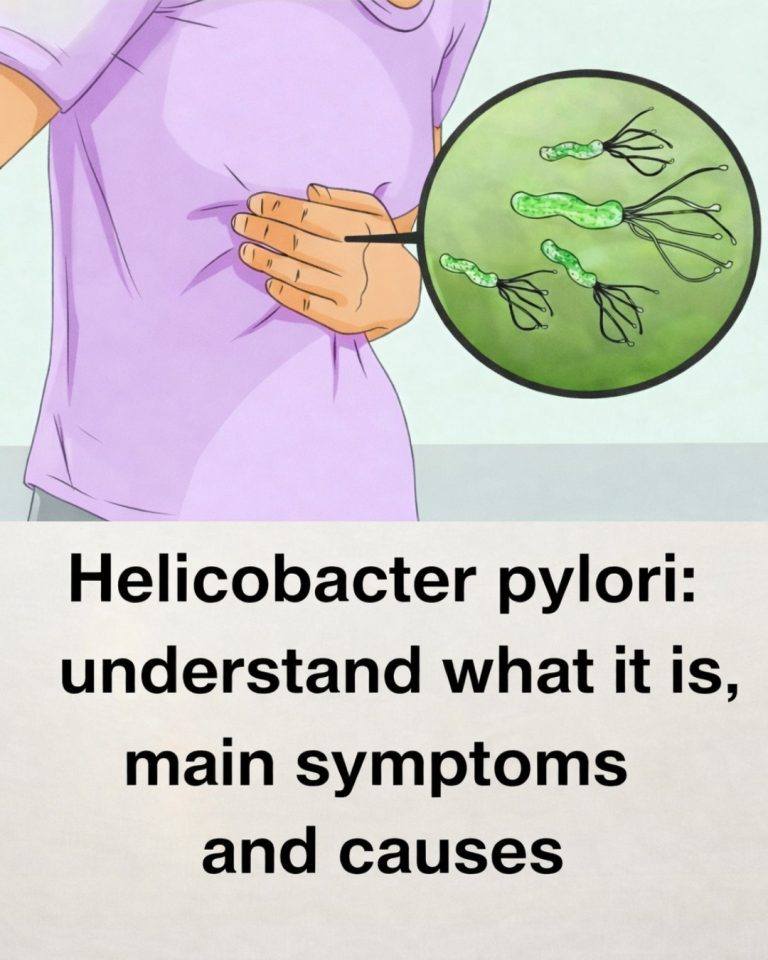
Helicobacter pylori: What It Is, Key Symptoms, Causes & How to Protect Your Gut Health
Learn what Helicobacter pylori is, its symptoms, causes, and proven ways to prevent it. Expert-backed, practical tips to protect your stomach health.
It often begins with something easy to ignore.
A dull ache after meals. A burning sensation that comes and goes. Maybe bloating you can’t quite explain.
You brush it off—stress, something you ate, a busy schedule.
But for millions of people worldwide, these subtle symptoms trace back to a tiny bacterium living quietly in the stomach: Helicobacter pylori.
Most people don’t even know they have it. Others struggle with recurring discomfort for years without clear answers.
Understanding this infection isn’t just about knowledge—it’s about protecting your long-term health.
This guide walks you through what H. pylori is, how it affects your body, what symptoms to watch for, and what you can do to reduce your risk.
What Is Helicobacter pylori?
Helicobacter pylori (often shortened to H. pylori) is a type of bacteria that infects the stomach lining.
It’s surprisingly common—affecting over half the world’s population.
What makes it unique is its ability to survive in the stomach’s harsh acidic environment by producing substances that neutralize acid around it.
Why It Matters
While many people live with H. pylori without symptoms, it can lead to serious conditions over time, including:
- Chronic gastritis
- Peptic ulcers
- Increased risk of stomach cancer
According to the World Health Organization, H. pylori is classified as a carcinogen due to its link with gastric cancer.
Key Symptoms You Shouldn’t Ignore
Symptoms can vary widely—and sometimes don’t appear at all.
Common Signs:
- Burning stomach pain (especially when empty)
- Bloating
- Frequent burping
- Nausea
- Loss of appetite
More Serious Symptoms:
- Unexplained weight loss
- Vomiting
- Black or tarry stools
- Severe abdominal pain
If symptoms persist, medical evaluation is important.
How Do You Get H. pylori?
The exact transmission isn’t always clear, but it’s believed to spread through:
- Contaminated food or water
- Poor hygiene practices
- Close contact (saliva or oral contact)
It’s more common in areas with limited sanitation—but it can affect anyone.
Risk Factors
You may be at higher risk if you:
- Live in crowded conditions
- Have limited access to clean water
- Share utensils frequently
- Have a family history of infection
What Happens Inside Your Body?
Once inside the stomach, H. pylori:
- Attaches to the stomach lining
- Weakens the protective mucus layer
- Triggers inflammation
- Increases vulnerability to acid damage
Over time, this can lead to ulcers or more serious complications.
Diagnosis: How Doctors Detect It
Healthcare providers may use:
- Breath tests
- Blood tests
- Stool tests
- Endoscopy (in more serious cases)
Organizations like the Mayo Clinic recommend testing if symptoms persist or ulcers are suspected.
Treatment Options
H. pylori is treatable.
Standard Treatment Includes:
- Antibiotics (to kill the bacteria)
- Acid-reducing medications
Treatment typically lasts 10–14 days.
Important: Always complete the full course of medication to prevent resistance.
Prevention: Practical Steps That Work
1. Practice Good Hygiene
- Wash hands regularly
- Especially before eating and after using the restroom
2. Ensure Safe Food & Water
- Drink clean, filtered water
- Avoid undercooked or contaminated food
3. Avoid Sharing Utensils
Especially in environments where infection risk is higher.
4. Maintain a Healthy Diet
While diet doesn’t cure H. pylori, it can support stomach health.
Helpful foods:
- Fruits and vegetables
- Foods rich in antioxidants
- Probiotic-rich foods (like yogurt)
Real-Life Scenario
A 38-year-old professional experienced recurring stomach pain for months.
Initially blamed on stress, the discomfort worsened over time.
After testing, H. pylori was identified. With proper treatment, symptoms improved significantly within weeks.
Lesson: persistent symptoms deserve attention.
Pros and Cons of Early Detection
| Pros | Cons |
|---|---|
| Prevents complications | Requires medical testing |
| Enables early treatment | May involve medication side effects |
| Improves quality of life | Time commitment for treatment |
Common Mistakes to Avoid
- ❌ Ignoring persistent stomach pain
- ❌ Self-medicating without diagnosis
- ❌ Stopping antibiotics early
- ❌ Assuming symptoms are “just stress”
Expert Tips Most People Don’t Know
- Symptoms may appear years after infection
- Reinfection is possible but less common with proper hygiene
- Gut health plays a role in recovery
- Stress can worsen symptoms, even if it’s not the cause
Research from Harvard University highlights the importance of gut health in overall well-being.
2026 Update: What’s Changing?
- Improved diagnostic tools (faster, non-invasive tests)
- Growing research into gut microbiome balance
- Increased awareness of antibiotic resistance
FAQs
1. Is H. pylori contagious?
Yes, it can spread through close contact or contaminated food/water.
2. Can it go away on its own?
Rarely—treatment is usually needed.
3. Is it dangerous?
It can be if left untreated, especially over time.
4. How long does treatment take?
Typically 10–14 days.
5. Can children get it?
Yes, though symptoms may differ.
6. Can diet cure H. pylori?
No, but it can support recovery.
7. Will it come back after treatment?
Possible, but less likely with proper care.
Action Checklist
✔ Pay attention to persistent symptoms
✔ Seek medical testing if needed
✔ Follow treatment fully
✔ Maintain hygiene habits
✔ Support gut health through diet
H. pylori is easy to overlook—but not something to ignore.
It doesn’t always shout. Sometimes, it whispers through small, persistent discomforts.
The good news? It’s manageable. Treatable. Preventable.
And the earlier you understand it, the better you can protect your health.
Helicobacter pylori is a common stomach infection that can lead to serious issues if untreated—but with awareness and proper care, it can be effectively managed.
If you’ve been dealing with ongoing stomach discomfort, don’t brush it aside.
Listen to your body. Take action early.
And if this guide helped you understand something important, share it—because awareness is often the first step toward better health.