If You Have Lines on Your Nails, It Might Mean More Than You Think (Here’s What Experts Say)
Notice lines on your nails? Learn what vertical and horizontal nail ridges can mean, when to worry, and how to support healthy nails.
You’re going about your day when you notice it—tiny lines running across your nails. Maybe they’ve been there for a while. Maybe they just showed up.
At first, it’s easy to ignore.
But then the question lingers: “Is this normal… or is my body trying to tell me something?”
Nails often reflect what’s happening beneath the surface. While many changes are harmless, some can point to underlying health issues worth paying attention to.
This guide breaks down what nail lines really mean, when they’re completely normal, and when they might signal something you shouldn’t ignore.
Understanding Nail Lines: The Basics
Nail lines—also called ridges—can appear in different forms:
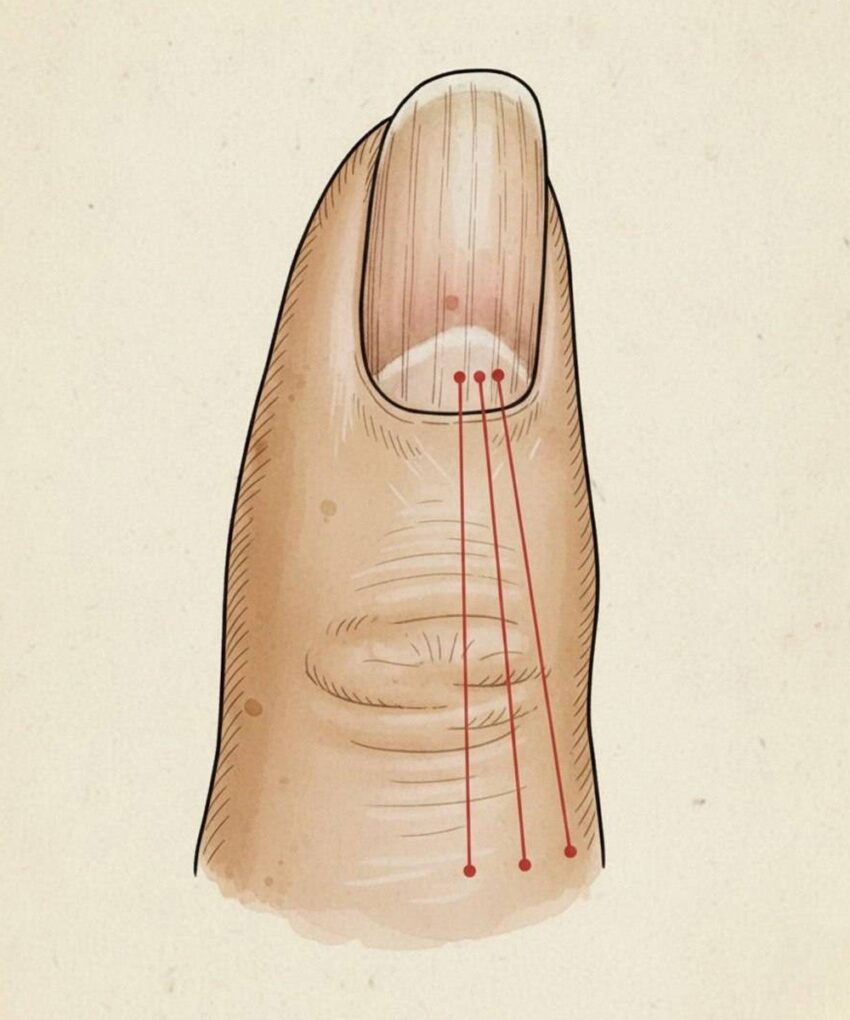
- Vertical ridges (running from cuticle to tip)
- Horizontal ridges (running across the nail)
- Deep grooves or discoloration
Each type tells a different story.
1. Vertical Lines: Often Normal Aging
Vertical ridges are the most common—and usually harmless.
They tend to appear as we age, similar to wrinkles on the skin.
Why they happen:
- Natural aging process
- Reduced moisture in nails
- Slower cell turnover
According to experts from the Mayo Clinic, vertical ridges are typically not a cause for concern.
2. Horizontal Lines (Beau’s Lines): A Warning Signal
Horizontal grooves—known as Beau’s lines—are more serious.
They can indicate that nail growth was temporarily interrupted.
Possible causes:
- Severe illness or infection
- High fever
- Nutritional deficiencies
- Physical stress or trauma
These lines often appear weeks after the triggering event.
3. Nutritional Deficiencies
Sometimes, nail lines are linked to what your body is lacking.
Common deficiencies include:
- Iron
- Zinc
- Biotin
Conditions like Iron Deficiency Anemia can lead to noticeable nail changes, including ridges and brittleness.
4. Dehydration
Dry nails can develop ridges more easily.
If your body isn’t getting enough hydration, it may show up in your nails first.
5. Stress and Illness
Your body prioritizes vital organs during stress.
That means nail growth can temporarily slow or pause—leading to visible lines.
6. Thyroid Issues
Thyroid imbalances, such as Hypothyroidism, can affect nail texture.
Signs may include:
- Brittle nails
- Ridges
- Slow growth
7. Trauma to the Nail
Even minor injuries can cause temporary ridges.
Examples:
- Slamming a finger
- Aggressive manicures
- Nail biting
8. Skin Conditions
Certain skin disorders can affect nails.
One example is Psoriasis, which may cause:
- Pitting
- Ridges
- Discoloration
9. Aging vs. Medical Concern: How to Tell the Difference
Here’s a quick comparison:
| Feature | Likely Normal | Potential Concern |
|---|---|---|
| Vertical ridges | ✔ | Rarely |
| Horizontal grooves | ❌ | ✔ |
| Sudden appearance | ❌ | ✔ |
| Pain/discoloration | ❌ | ✔ |
10. When You Should See a Doctor
Don’t ignore nail changes if you notice:
- Deep horizontal lines
- Sudden or severe changes
- Nail discoloration
- Pain or swelling
A healthcare provider can evaluate underlying causes and recommend tests if needed.
Real-Life Scenario
A 45-year-old woman noticed deep horizontal lines appearing across several nails.
She initially ignored them.
Later, a routine checkup revealed she had been recovering from a significant nutritional deficiency following illness.
The takeaway: nails often reflect past health events.
How to Support Healthy Nails
Daily Habits That Help
- Stay hydrated
- Eat a balanced diet rich in vitamins
- Use gentle nail care products
- Moisturize nails and cuticles
Nutrients That Matter
- Biotin – supports nail strength
- Iron – prevents brittleness
- Zinc – aids growth and repair
Common Mistakes to Avoid
- ❌ Ignoring sudden nail changes
- ❌ Overusing harsh nail products
- ❌ Assuming all ridges are harmless
- ❌ Skipping medical advice when unsure
Expert Tips Most People Don’t Know
- Nails grow slowly—changes may reflect issues from months ago
- Consistency in diet matters more than short-term fixes
- Nail health often mirrors overall health
Research supported by Harvard University highlights the connection between nutrition and visible body indicators like nails.
FAQs
1. Are nail ridges normal?
Vertical ridges are usually normal; horizontal ones may need attention.
2. Can vitamin deficiency cause nail lines?
Yes—iron, zinc, and biotin deficiencies are common causes.
3. Do nail lines go away?
They often grow out as the nail renews.
4. Are nail ridges a sign of serious illness?
Not always—but sudden changes should be checked.
5. How long do nails take to grow?
Fingernails typically take 4–6 months to fully grow out.
6. Can stress cause nail changes?
Yes—physical or emotional stress can affect nail growth.
7. Should I be worried about one nail?
A single affected nail may indicate trauma rather than a systemic issue.
Action Checklist
✔ Observe the type of nail lines
✔ Monitor for changes over time
✔ Improve hydration and nutrition
✔ Avoid harsh nail treatments
✔ Consult a doctor if unsure
Your nails might seem like a small detail—but they can reveal important clues about your health.
Not every line is a warning sign. But some are worth paying attention to.
The key is awareness—not panic.
Nail lines can be completely normal—or a signal your body needs support. Knowing the difference helps you take the right next step.
Take a closer look at your nails today.
If something feels off, don’t ignore it—pay attention, stay informed, and take action when needed.
And if this guide helped you understand your body better, share it with someone else who might be wondering the same thing.