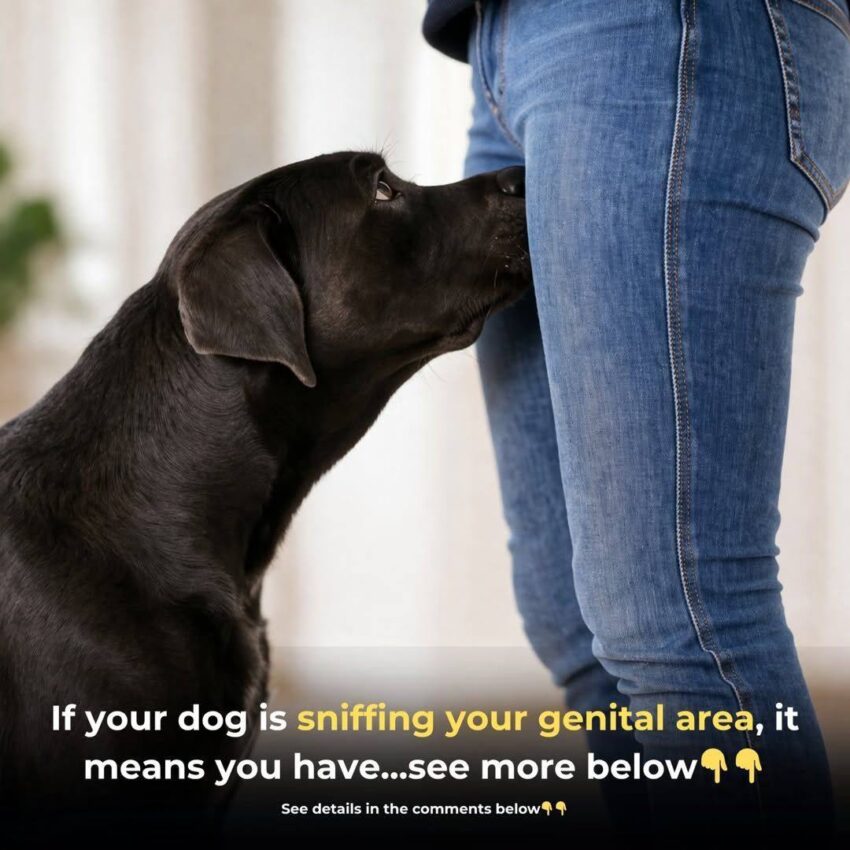
Why Dogs Sniff the Genital Area — What It Really Means (Dog Behavior Explained Simply)
Dogs sniff genital areas due to scent communication, not aggression or rudeness. Learn the science behind this natural canine behavior.
If you’ve ever been around dogs, you’ve probably seen it happen.
A dog meets a person—or another dog—and instead of a handshake, they go straight for sniffing. Sometimes it’s the legs. Sometimes it’s the face. And often, it’s the genital or rear area.
For humans, this behavior can feel awkward or even inappropriate. But in the world of dogs, it’s completely normal—and actually very important.
Dogs don’t rely on spoken language the way humans do. They rely heavily on scent. And what looks strange to us is, for them, a detailed form of “social information gathering.”
Let’s break down what’s really going on.
Dogs Experience the World Through Smell
To understand this behavior, you first need to understand one key fact:
Dogs don’t just smell things—they “read” them.
A dog’s sense of smell is estimated to be thousands to tens of thousands of times stronger than humans.
They use scent to detect:
- Identity
- Emotional state
- Health information
- Reproductive status
- Recent activity
So when a dog sniffs someone, it’s not random curiosity—it’s data collection.
What’s in the Genital Area That Dogs Smell?
The genital and rear regions contain scent glands that produce pheromones—chemical signals that carry biological information.
These scents can reveal:
- Gender
- Hormonal status
- Stress levels
- Recent physical activity
- Overall health cues
In simple terms, it’s like a biological “profile” that dogs can read instantly.
Why Dogs Focus on This Area
Dogs are naturally drawn to areas where scent information is strongest. The genital and rear regions contain concentrated scent glands, making them one of the richest sources of information.
From a dog’s perspective, this behavior helps them:
- Identify other dogs or people
- Understand social status
- Decide if someone is familiar or new
- Gather safety-related information
It’s not rude in dog language—it’s communication.
1. It’s a Social Introduction
When dogs meet, sniffing is their version of saying:
“Who are you?”
This helps them quickly assess whether the other dog is:
- Friendly
- Familiar
- Calm or stressed
2. It’s How Dogs Gather Health Information
Dogs can sometimes detect changes in human health through scent.
While not fully understood, studies suggest dogs may notice:
- Hormonal changes
- Stress-related chemical shifts
- Certain medical conditions
This doesn’t mean diagnosis—but it shows how sensitive their noses are.
3. It’s Completely Natural Dog Behavior
This behavior is instinctive. It is not:
- Aggressive
- Disrespectful
- A training failure
It is part of normal canine communication.
4. Dogs Don’t Have Human Social Boundaries
What humans consider private or inappropriate doesn’t exist in the same way for dogs.
They operate based on:
- Scent information
- Curiosity
- Instinct
Not social rules or embarrassment.
5. It Can Happen More With Certain Triggers
Dogs may sniff more when:
- Meeting new people
- Encountering strong scents
- Sensing hormonal changes
- Experiencing excitement
Should You Stop a Dog From Doing It?
It depends on context.
In casual home settings:
It’s usually harmless but can be redirected if needed.
In public or guests:
It may be polite to gently redirect behavior.
Training techniques include:
- Calling the dog away
- Using basic commands (“sit,” “stay”)
- Rewarding alternative behavior
The goal is not punishment, but redirection.
How to Respond Without Stress
If a dog sniffs you:
- Stay calm
- Avoid sudden movements
- Do not punish the dog
- Gently step away if uncomfortable
Dogs respond better to calm behavior than tension.
Real-Life Example
A guest visits a home and feels uncomfortable when the family dog immediately sniffs them in that area.
The owner calmly calls the dog away and redirects attention with a treat.
The visitor learns that the behavior is not disrespectful—it’s simply how dogs gather information.
Common Misunderstandings
1. “The dog is being rude”
Dogs don’t understand human social rules.
2. “It means aggression”
It is usually curiosity, not aggression.
3. “It’s bad behavior”
It is instinctive communication.
When It Might Need Attention
While normal, excessive sniffing or sudden behavioral changes may indicate:
- High excitement or anxiety
- Lack of training boundaries
- Social overstimulation
In such cases, basic training can help.
Frequently Asked Questions
1. Why do dogs sniff private areas?
Because it contains strong scent information and pheromones.
2. Is it normal behavior?
Yes, it is completely natural for dogs.
3. Should I stop my dog from doing it?
You can redirect it in social situations if needed.
4. Do dogs do this with other dogs too?
Yes, it is part of normal canine communication.
5. Can dogs recognize people by smell?
Yes, scent is one of their strongest recognition tools.
6. Is it a sign of bad training?
No, it is instinctive behavior.
7. Do all dogs do this?
Most dogs do it, especially when meeting new individuals.
8. Can it be trained out completely?
Not fully, but it can be managed.
Action Checklist
- ✔ Understand it is natural behavior
- ✔ Stay calm when it happens
- ✔ Redirect if needed in public settings
- ✔ Use positive training methods
- ✔ Avoid punishment-based reactions
- ✔ Learn dog body language
Conclusion
What feels awkward to humans is completely normal communication in the canine world.
Dogs rely on scent as their primary way of understanding the world—and sniffing is simply their version of learning who someone is.
When we understand this, we can respond with more patience, better training, and less misunderstanding.
Dogs sniffing genital areas is not inappropriate behavior in their world—it’s simply how they gather information and communicate.