If You Notice Lines on Your Nails After 40, Here’s What They May Mean (And When to Pay Attention)
Vertical or horizontal lines on nails after 40 are usually harmless, but sometimes signal health changes. Learn causes, types, and when to seek advice.
It’s easy to overlook your nails—until something changes.
Maybe you notice faint lines running down your fingernails. Or maybe there are ridges that feel more visible than before. After 40, these changes become more common, and they often raise an immediate question:
Is this normal aging, or a sign of something deeper?
The truth is reassuring—but also worth understanding.
Most nail changes are harmless and linked to natural aging. However, in some cases, they can reflect nutrition, hydration, or underlying health conditions.
Let’s break it down clearly so you know what’s normal, what’s not, and when to pay attention.
Why Nails Change After 40
As we age, the body naturally changes in subtle ways:
- Slower cell regeneration
- Reduced collagen production
- Changes in blood circulation
- Nutritional absorption differences
Your nails are made of keratin, and like skin and hair, they reflect internal changes over time.
That’s why nail texture and appearance may shift with age.
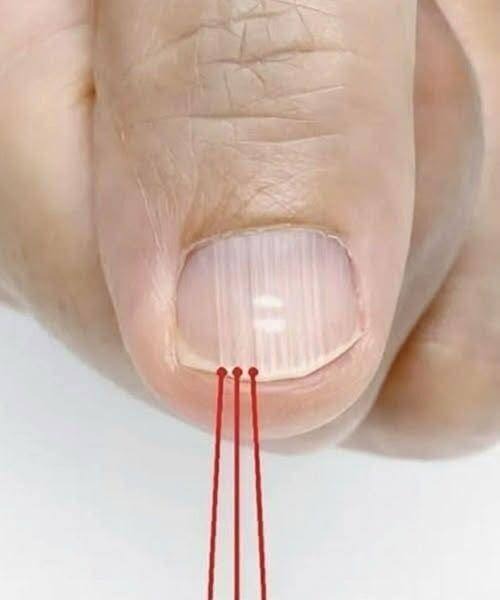
1. Vertical Lines on Nails (Most Common)
Vertical ridges running from cuticle to tip are extremely common after 40.
Usually caused by:
- Natural aging
- Slower nail growth
- Mild dehydration of nail plate
What they look like:
- Fine, lengthwise lines
- More visible in dry or brittle nails
In most cases:
These are completely harmless and similar to wrinkles in the skin.
2. Horizontal Lines (Beau’s Lines)
Horizontal indentations across the nail can sometimes indicate temporary disruptions in nail growth.
They may be linked to:
- Recent illness or fever
- Physical stress on the body
- Nutritional deficiencies
- Major life stress events
These lines often grow out over time.
3. Brittle or Splitting Nails
If nails start breaking more easily, it may be related to:
- Reduced moisture levels
- Frequent exposure to water or chemicals
- Low iron or protein intake
- Age-related changes
This is very common after midlife.
4. Pale or Dull Nail Color
Healthy nails are usually slightly pink.
Changes such as paleness or dullness may be influenced by:
- Circulation changes
- Nutritional factors
- General fatigue or aging
Persistent discoloration should be evaluated by a professional.
5. Thickened Nails
Nails may become thicker over time due to:
- Repeated pressure or trauma
- Fungal infections (in some cases)
- Slower growth patterns with age
This is more common in toenails than fingernails.
When Nail Changes May Need Attention
Most nail changes are harmless—but you should consider medical advice if you notice:
- Sudden deep ridges or severe changes
- Nail separation from the nail bed
- Dark streaks that don’t fade
- Pain, swelling, or infection signs
- Rapid or unusual changes in multiple nails
Common Lifestyle Factors That Affect Nails
1. Nutrition
Low intake of protein, iron, or biotin may affect nail strength.
2. Hydration
Dry nails often develop ridges more visibly.
3. Chemical Exposure
Frequent cleaning products or nail treatments can weaken nails.
4. Aging
One of the most common and unavoidable causes.
How to Support Healthier Nails After 40
1. Eat Nutrient-Rich Foods
Focus on:
- Protein (eggs, fish, legumes)
- Iron-rich foods (spinach, lean meats)
- Healthy fats (nuts, seeds)
2. Keep Nails Moisturized
Use hand creams or natural oils to reduce dryness.
3. Avoid Harsh Chemicals
Wear gloves when cleaning or using detergents.
4. Stay Hydrated
Water supports overall nail health.
5. Be Gentle With Nails
Avoid over-filing or aggressive manicure routines.
Real-Life Example
A woman in her 40s notices faint vertical lines on her nails.
At first, she worries it’s a health issue. After a check-up, she learns it is a normal part of aging combined with mild dryness.
With improved hydration and nutrition, her nails appear smoother over time—but the lines never fully disappear, which is normal.
Common Misunderstandings
1. “All nail lines mean disease”
Not true—most are harmless.
2. “Healthy nails should be perfectly smooth”
Even healthy nails often have subtle ridges.
3. “Supplements alone fix nail issues”
Nutrition helps, but lifestyle matters more.
Frequently Asked Questions
1. Are nail lines normal after 40?
Yes, vertical lines are especially common.
2. Do they mean vitamin deficiency?
Not always—many are age-related.
3. Can nail ridges be reversed?
They can improve in appearance but may not fully disappear.
4. When should I worry?
If changes are sudden, painful, or unusual in color.
5. Does dehydration affect nails?
Yes, it can make ridges more visible.
6. Are horizontal lines more serious?
They may indicate temporary stress on the body.
7. Can diet improve nail health?
Yes, balanced nutrition supports stronger nails.
8. Is aging the main cause?
For most people after 40, yes.
Action Checklist
- ✔ Monitor nail changes over time
- ✔ Improve hydration
- ✔ Eat balanced, nutrient-rich meals
- ✔ Protect nails from chemicals
- ✔ Avoid over-analyzing normal aging signs
- ✔ Seek advice only for sudden or severe changes
Conclusion
Nail changes after 40 are extremely common and, in most cases, part of the natural aging process rather than a warning sign of serious illness.
Understanding what is normal helps reduce unnecessary worry and allows you to focus on simple habits that support overall nail health.
Most nail lines after 40 are a normal sign of aging—not a medical alarm—but sudden or unusual changes should always be checked.