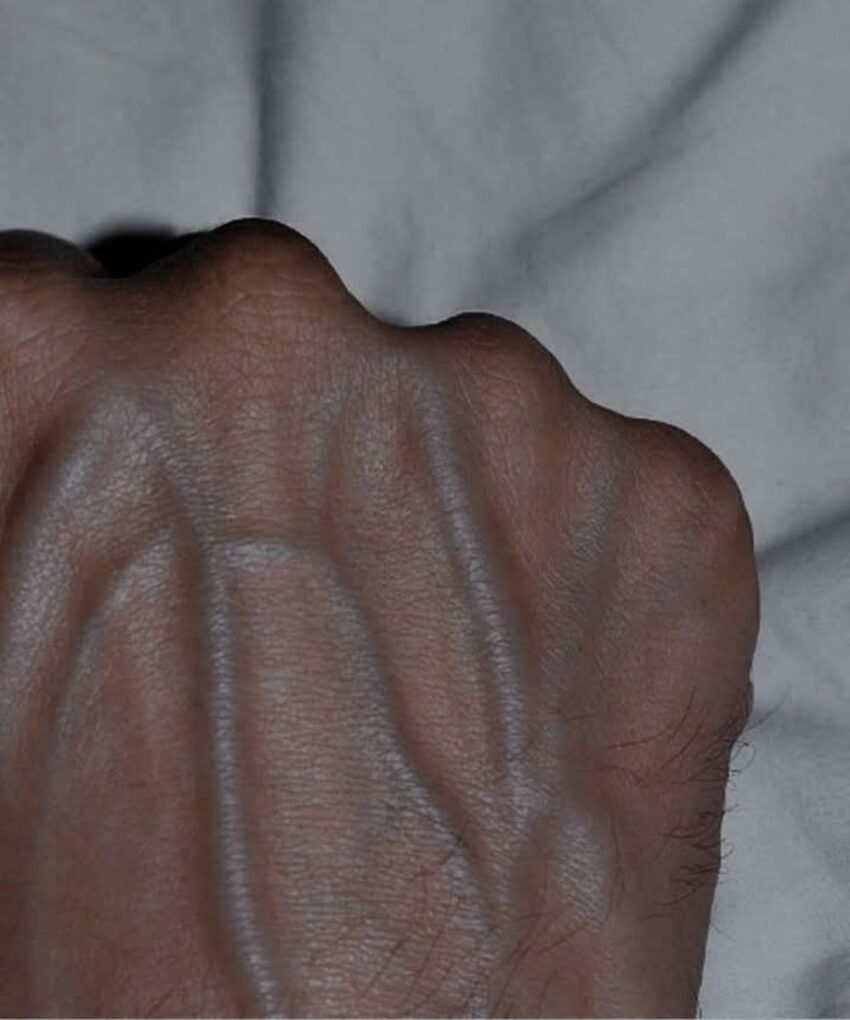
If Your Veins Are Visible, Here’s What It Really Means: Causes, Myths, and When to Pay Attention
Visible veins can be normal or signal changes in body fat, fitness, or circulation. Learn what prominent veins mean and when to be concerned.
You’re washing your hands, lifting something, or looking in the mirror—and there it is.
Your veins look more visible than before.
Maybe they’re on your hands, arms, legs, or even your chest. And naturally, a question pops up:
“Is this normal… or is something going on with my health?”
In the United States, this is one of those common concerns that shows up in search trends again and again—because visible veins can look dramatic, but they don’t always mean something serious.
The truth is more balanced.
Visible veins can be completely normal, especially depending on body type, hydration, temperature, and fitness level. But in some cases, they can also reflect changes in circulation or underlying health conditions.
This article breaks it all down in a simple, science-based, and practical way—so you know exactly what your body is trying to tell you.
What Visible Veins Actually Are
Veins are blood vessels responsible for carrying blood back to your heart.
You see them when:
- Skin is thinner
- Fat layer is lower
- Blood flow increases
- Veins are closer to the skin surface
Normally, veins are always there—you just don’t always notice them.
When they become visible, it’s usually due to how light interacts with your skin, body fat, and circulation, not because they suddenly “appeared.”
Common Reasons Your Veins Become More Visible
Let’s break down the most common and harmless explanations first.
1. Lower Body Fat Percentage
This is one of the biggest reasons.
When subcutaneous fat (fat under the skin) decreases:
- Veins sit closer to the surface
- They become easier to see
- Muscles and vascular structure become more defined
This is common in:
- Athletes
- People who recently lost weight
- Individuals with naturally lean body types
In fitness culture, this is often called “vascularity.”
2. Exercise and Physical Activity
After workouts, veins often become more visible due to increased blood flow.
This is called:
👉 Vasodilation
During exercise:
- Muscles demand more oxygen
- Blood flow increases
- Veins expand temporarily
This is completely normal and usually fades after rest.
3. Heat and Temperature Changes
Warm weather or hot showers can make veins stand out more.
Why?
- Blood vessels expand in heat
- The body tries to cool itself
- Veins become more surface-visible
That’s why you might notice them more in summer or after a bath.
4. Aging and Skin Changes
As people age:
- Skin becomes thinner
- Collagen decreases
- Veins become more visible naturally
This is especially common on the hands and arms.
It’s a normal part of aging—not necessarily a health problem.
5. Genetics and Natural Body Structure
Some people simply have:
- Naturally thin skin
- Prominent vein placement
- Low body fat distribution
If visible veins run in your family, you’re more likely to notice them too.
6. Hydration Levels
When dehydrated:
- Blood volume decreases
- Veins may appear more prominent
- Skin looks less plump
Proper hydration often reduces this appearance.
When Visible Veins Might Signal a Health Issue
Most of the time, visible veins are harmless. However, there are situations where attention is needed.
⚠️ Possible warning signs:
- Sudden swelling in one limb
- Pain or tenderness near veins
- Veins that feel hard or warm
- Skin discoloration around veins
- Bulging veins that worsen over time
These could be associated with conditions like:
- Varicose veins
- Venous insufficiency
- Blood clots (rare but serious)
If symptoms are persistent or painful, medical evaluation is important.
Visible Veins in Fitness: A Normal and Often Desired Effect
In fitness communities, visible veins are often seen as a sign of:
- Lower body fat
- Improved circulation
- Muscle development
However, it’s important to remember:
👉 Visible veins alone are not a direct measure of health.
A very lean body can still be unhealthy if nutrition or recovery is poor.
Myths About Visible Veins
❌ Myth 1: “Visible veins mean poor health”
Not true. In most cases, it’s completely normal.
❌ Myth 2: “Only athletes have visible veins”
Many non-athletes naturally have visible veins due to genetics or skin type.
❌ Myth 3: “More visible veins means better fitness”
Not always. Fitness is about strength, endurance, and metabolic health—not appearance alone.
How to Reduce the Appearance of Prominent Veins (If Desired)
If visible veins make you uncomfortable cosmetically, here are safe ways to reduce their appearance:
🧊 Stay hydrated
Proper hydration improves skin fullness.
🥗 Maintain balanced nutrition
Healthy fat levels support skin thickness.
🧘 Avoid excessive heat exposure
Heat expands blood vessels temporarily.
🧴 Improve skin hydration
Moisturized skin can appear more even.
When You Should See a Doctor
Seek medical advice if you notice:
- Painful or swollen veins
- Sudden changes in vein appearance
- One-sided swelling in limbs
- Skin changes around veins
These signs may require evaluation for circulation issues.
Real-Life Example
Consider two people:
Person A:
- Lean body
- Exercises regularly
- Sees visible arm veins after workouts
👉 Normal physiological response
Person B:
- Sudden bulging vein in one leg
- Pain and swelling present
👉 Needs medical attention
Same symptom (visible veins), completely different meaning.
Latest Health Insight (2026 Perspective)
Modern vascular research highlights:
- Vein visibility is strongly influenced by skin thickness and hydration
- Fitness-related vascularity is often temporary and reversible
- Chronic vein changes are more important than temporary visibility
Medical experts emphasize:
👉 “It’s not the visibility of veins, but the context around them that matters.”
FAQs (People Also Ask)
1. Is it normal to see veins in hands and arms?
Yes, especially in lean individuals or after exercise.
2. Why do my veins suddenly look more visible?
Common reasons include heat, exercise, weight loss, or dehydration.
3. Do visible veins mean I have high blood pressure?
No, visible veins are not directly related to blood pressure.
4. Can stress make veins more visible?
Yes, stress can temporarily affect blood flow and vessel dilation.
5. Are visible veins permanent?
No, many factors that affect visibility are temporary.
6. Should I worry about bulging veins?
Only if they are painful, swollen, or accompanied by other symptoms.
Visible veins often look dramatic, but in most cases, they are simply a reflection of normal body processes—like circulation, temperature changes, fitness level, and skin structure.
Instead of jumping to conclusions, it helps to look at the bigger picture:
How you feel, whether there is pain, and whether changes are sudden or gradual.
For most people, visible veins are just a sign that the body is functioning exactly as it should.
And in many cases, they are completely harmless.
Visible veins are usually normal and influenced by body fat, hydration, temperature, and genetics. Only sudden, painful, or unusual vein changes require medical attention.