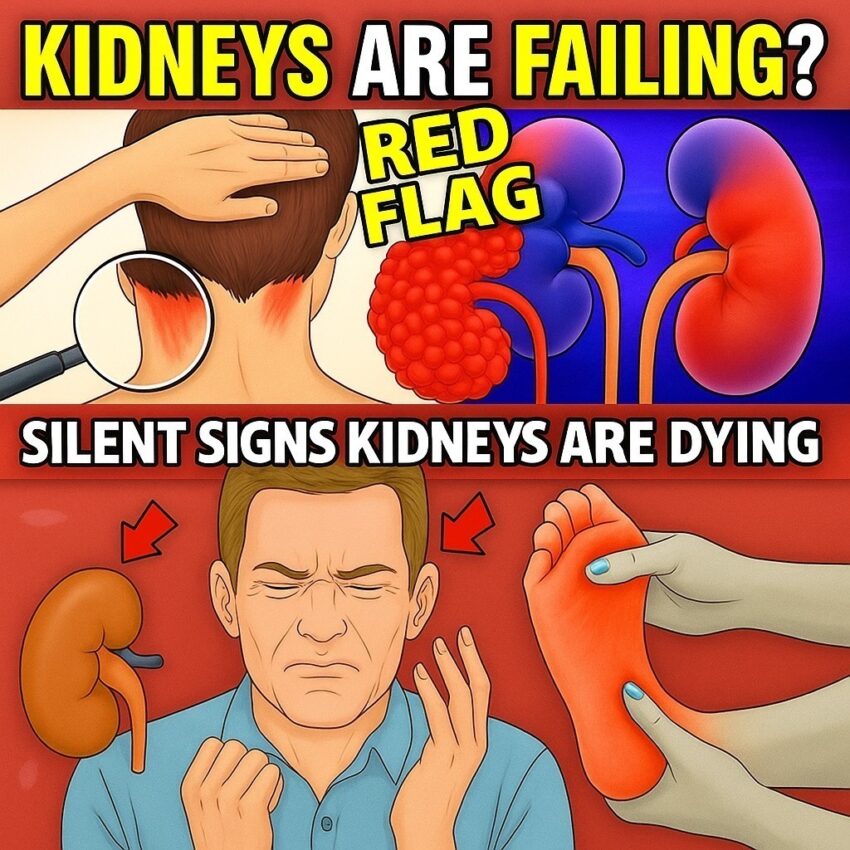
10 Silent Signs Your Kidneys May Be Struggling (Most People Ignore #1–#5)
Kidney disease often develops silently. Learn 10 early warning signs of kidney problems and when to seek medical attention.
Why Kidney Problems Are So Easy to Miss
Your kidneys don’t usually fail overnight.
Instead, they decline slowly—often without pain or obvious symptoms at first. That’s what makes kidney issues dangerous: people often feel “mostly fine” until the condition is more advanced.
A condition like Chronic Kidney Disease can progress quietly for years before being detected.
The goal here is not to create fear—but awareness.
1. Constant Fatigue That Doesn’t Go Away
One of the earliest and most overlooked signs is persistent tiredness.
You might notice:
- Low energy even after sleep
- Difficulty concentrating
- Feeling “drained” all the time
Why it happens:
When kidneys don’t filter properly, toxins build up in the blood, affecting energy levels.
2. Swelling in Feet, Ankles, or Hands
Healthy kidneys remove excess fluid.
When they slow down:
- Fluid builds up in tissues
- Swelling appears in lower legs or hands
You may notice tight shoes or rings feeling uncomfortable.
3. Changes in Urination Patterns
This is one of the most important warning signs.
Watch for:
- Foamy or bubbly urine
- Frequent urination at night
- Reduced urine output
- Dark or unusual color
These changes can signal reduced filtering ability.
4. Shortness of Breath
Kidney issues can cause fluid buildup or anemia, leading to:
- Difficulty breathing
- Reduced stamina
- Feeling winded easily
This symptom is often mistaken for heart or lung problems.
5. Persistent Itching
Toxin buildup in the blood can affect the skin.
You may experience:
- Dry skin
- Constant itching without rash
- Irritation that doesn’t improve easily
6. Loss of Appetite or Nausea
When waste accumulates in the body, it can affect digestion.
Symptoms may include:
- Feeling full quickly
- Reduced interest in food
- Occasional nausea
7. Muscle Cramps
Kidneys help balance electrolytes like calcium and potassium.
Imbalances may lead to:
- Leg cramps
- Muscle spasms
- Weakness
8. Puffy Eyes in the Morning
Early kidney stress can sometimes show around the eyes.
You might notice:
- Swelling under eyes after waking
- Puffiness that doesn’t resolve quickly
9. Back or Side Pain (Near Kidney Area)
Pain is not always present, but when it is, it may feel like:
- Dull ache below ribs
- One-sided discomfort
- Pressure in lower back
10. High Blood Pressure That’s Hard to Control
Kidneys play a key role in regulating blood pressure.
If they are affected:
- Blood pressure may rise
- Medications may become less effective
This creates a cycle that can further strain kidney function.
Why These Signs Are Easy to Ignore
Most symptoms are:
- Mild at first
- Similar to other common issues (stress, aging, diet)
- Gradual rather than sudden
That’s why kidney disease is often called a “silent condition.”
Who Is at Higher Risk?
You may need closer monitoring if you have:
- Diabetes
- High blood pressure
- Family history of kidney disease
- Heart disease
- Long-term medication use affecting kidneys
Real-Life Scenario
A person experiences:
- Mild fatigue
- Occasional swelling in feet
- Slight changes in urination
They assume it’s stress or dehydration.
Months later, routine blood tests reveal early kidney dysfunction—something that could have been managed earlier.
When You Should See a Doctor
Seek medical advice if you notice:
- Multiple symptoms together
- Symptoms lasting more than a few weeks
- Worsening swelling or fatigue
- Noticeable changes in urination
Simple tests like blood and urine analysis can provide clarity.
How Kidney Health Is Checked
Doctors typically use:
- Blood creatinine tests
- eGFR (kidney function estimate)
- Urine protein tests
- Blood pressure monitoring
These tests are quick and highly informative.
Common Mistakes People Make
1. Ignoring fatigue as “normal stress”
Ongoing tiredness can have deeper causes.
2. Waiting for pain
Kidney disease often has no pain in early stages.
3. Self-diagnosing
Symptoms overlap with many conditions.
Simple Ways to Support Kidney Health
- Stay well hydrated
- Manage blood pressure
- Control blood sugar levels
- Reduce excess salt intake
- Avoid overusing painkillers
- Get regular health checkups
FAQs (People Also Ask)
1. Do kidney problems show early symptoms?
Often, they develop silently without clear early signs.
2. Is fatigue a kidney symptom?
Yes, it can be one of the earliest signs.
3. Can kidney disease be reversed?
Early stages can often be managed, but advanced damage is usually permanent.
4. Is swelling always kidney-related?
No, it can have many causes.
5. What is the most common early sign?
Changes in urination and fatigue are common early indicators.
6. Can kidney disease cause back pain?
Sometimes, but not always.
7. Who should get kidney tests regularly?
People with diabetes, high blood pressure, or risk factors.
8. How serious is chronic kidney disease?
It can be serious if not detected and managed early.
Action Checklist
- ✔ Monitor energy levels and fatigue
- ✔ Watch urine changes
- ✔ Check for swelling
- ✔ Track blood pressure
- ✔ Get routine kidney function tests
Kidney problems rarely appear suddenly. They build quietly over time, often disguised as everyday issues.
The key is awareness—not fear. Recognizing early signs gives you the chance to act early and protect long-term health.
Kidney disease is often silent in the beginning, but small warning signs can help you detect it early and take control before it progresses.
Have you ever noticed any of these symptoms in yourself or someone you know?
What made you pay attention—or what did you initially think it was?