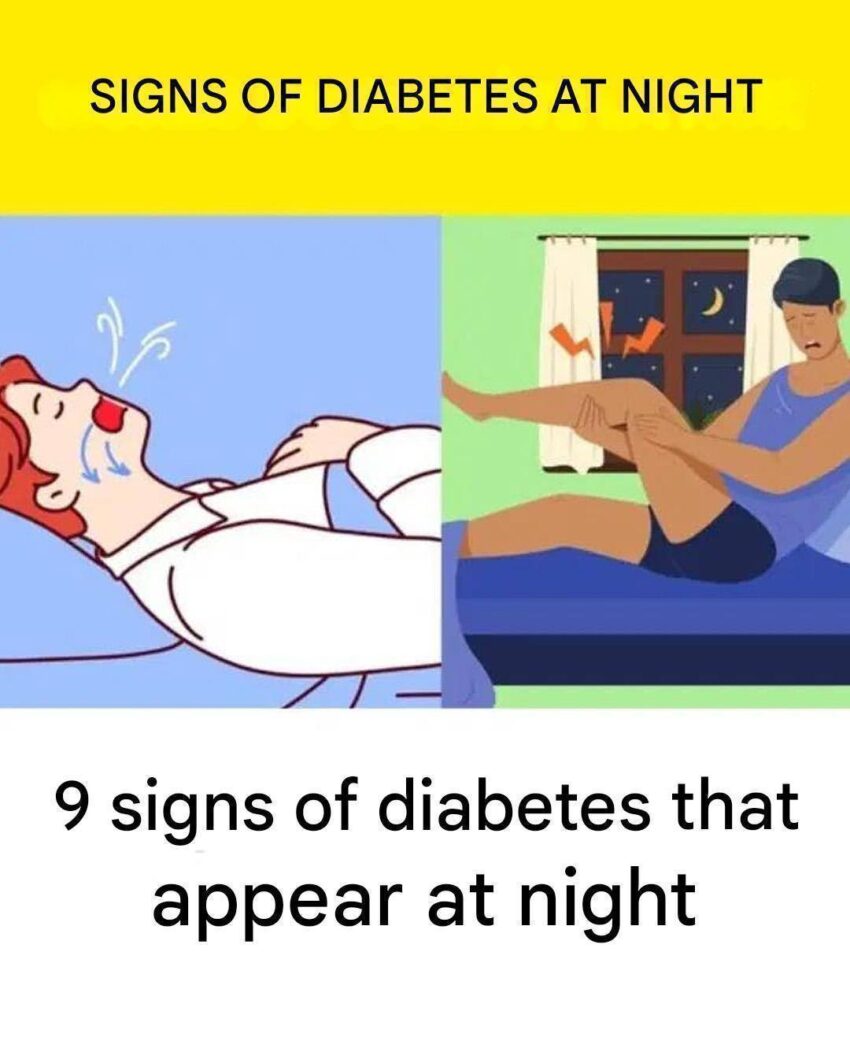
9 Nighttime Warning Signs of Diabetes You Shouldn’t Ignore
Waking up at night more than usual? Discover 9 common nighttime signs of diabetes, what they mean, and when to see a doctor.
When Your Body Sends Signals After Dark
You wake up—again.
Maybe it’s thirst. Maybe it’s a trip to the bathroom. Or maybe it’s a strange tingling in your feet that won’t let you sleep.
It’s easy to brush these things off. Stress, dehydration, a long day.
But sometimes, your body is trying to tell you something deeper—especially at night when distractions are gone.
For millions of Americans living with or at risk for Type 2 Diabetes, nighttime symptoms are often the earliest warning signs.
This guide walks you through 9 signs that tend to show up at night, what they might mean, and when it’s time to take action.
Why Diabetes Symptoms Often Show Up at Night
During sleep, your body goes through important processes:
- Blood sugar regulation
- Hormonal shifts
- Nerve recovery
- Fluid balance
If blood glucose levels are too high (or fluctuating), these systems get disrupted—and symptoms become more noticeable when you’re resting.
1. Frequent Urination (Waking Up Multiple Times)
If you’re waking up several times a night to urinate, it could be more than just drinking water before bed.
High blood sugar causes your kidneys to work overtime to remove excess glucose—leading to increased urine production.
What to watch for:
- Waking up 2–4+ times regularly
- Large amounts of urine
- Ongoing pattern over weeks
2. Excessive Thirst at Night
Do you feel intensely thirsty, even after drinking water?
This often goes hand-in-hand with frequent urination.
Your body is trying to replace lost fluids, creating a frustrating cycle:
Drink → urinate → feel thirsty again.
3. Night Sweats
Waking up drenched in sweat can be unsettling.
While night sweats have many causes, they can be linked to:
- Blood sugar fluctuations
- Low blood sugar episodes (hypoglycemia), especially in people already diagnosed
4. Tingling or Burning Sensation in Feet
This is a potential early sign of diabetic nerve issues.
Known as Diabetic Neuropathy, it often feels like:
- Pins and needles
- Burning
- Electric-like sensations
It tends to be more noticeable at night when you’re lying still.
5. Restless or Poor Sleep
If you’re tossing and turning without a clear reason, blood sugar instability could be affecting your sleep quality.
You might experience:
- Difficulty falling asleep
- Frequent waking
- Feeling unrefreshed in the morning
6. Leg Cramps During the Night
Painful leg cramps can disrupt sleep and may be linked to:
- Nerve dysfunction
- Electrolyte imbalance
- Poor circulation
These are sometimes associated with early metabolic issues.
7. Dry Mouth or Sore Throat in the Morning
Waking up with a dry mouth—even if you didn’t sleep with your mouth open—can be related to dehydration caused by high blood sugar levels.
8. Blurry Vision at Night or Upon Waking
High glucose levels can affect fluid balance in your eyes, leading to temporary changes in vision.
You might notice:
- Difficulty focusing
- Slight blurriness
- Vision that improves during the day
9. Increased Hunger Late at Night
Even after eating, you might feel unusually hungry.
This happens because your body isn’t effectively using glucose for energy—so it keeps signaling for more food.
Why These Signs Matter in the United States
In the U.S., diabetes is extremely common.
According to the Centers for Disease Control and Prevention:
- Over 37 million Americans have diabetes
- Millions more have prediabetes without knowing it
Many people ignore early symptoms—especially subtle nighttime ones—until the condition progresses.
Real-Life Scenario
Consider this:
A 42-year-old office worker starts waking up:
- 3 times per night to urinate
- Feeling thirsty constantly
- Experiencing mild foot tingling
At first, it seems minor.
But after a routine checkup, they discover elevated blood sugar levels—early-stage diabetes that could have gone unnoticed for years.
When Should You Be Concerned?
Occasional symptoms are normal.
But you should take action if:
- Symptoms persist for several weeks
- Multiple signs appear together
- They gradually worsen
What You Should Do Next (Step-by-Step)
1. Track Your Symptoms
Keep a simple log:
- How often you wake up
- Any unusual sensations
- Changes in thirst or hunger
2. Schedule a Medical Checkup
Ask for:
- Fasting blood glucose test
- A1C test
3. Improve Your Evening Routine
- Avoid heavy sugar intake before bed
- Stay hydrated (but not excessively at night)
- Maintain consistent sleep timing
4. Focus on Lifestyle Changes
- Balanced diet
- Regular physical activity
- Weight management (if needed)
Common Mistakes People Make
Ignoring Early Signs
Many people wait until symptoms become severe.
Self-Diagnosing Without Testing
Symptoms alone are not enough—testing is essential.
Assuming It’s “Just Aging”
These symptoms are not a normal part of aging.
Expert Tips Most People Don’t Know
- Nighttime symptoms often appear before daytime symptoms
- Small lifestyle changes can significantly delay or prevent progression
- Early detection dramatically improves long-term outcomes
Pros and Cons of Early Awareness
Pros
- Early intervention
- Better long-term health
- Lower risk of complications
Cons
- Requires proactive effort
- Can cause anxiety if misunderstood
FAQs (People Also Ask)
1. Do all people with diabetes have nighttime symptoms?
No, but many experience at least one.
2. Can dehydration cause similar symptoms?
Yes, which is why testing is important.
3. Are these signs specific only to diabetes?
Not always—other conditions can cause similar issues.
4. Is waking up once at night normal?
Yes. Frequent waking is the concern.
5. Can prediabetes cause these symptoms?
Sometimes, especially in early stages.
6. Should I test my blood sugar at home?
It can be helpful, but confirm results with a doctor.
7. Are these symptoms reversible?
In early stages, lifestyle changes can significantly improve them.
8. Does diet really make a difference?
Yes—diet is one of the most powerful factors.
Action Checklist
- ✔ Notice patterns in nighttime behavior
- ✔ Don’t ignore recurring symptoms
- ✔ Get tested if unsure
- ✔ Make small lifestyle improvements
- ✔ Stay consistent
Your body often whispers before it shouts.
Nighttime symptoms might seem minor—but they can be early signals worth paying attention to.
Catching these signs early gives you time, control, and better outcomes.
If your nights are repeatedly interrupted by thirst, urination, or discomfort, don’t ignore it.
It may not be serious—but it’s worth checking.
Have you noticed any unusual nighttime symptoms?
Sharing your experience could help others recognize early warning signs and take action sooner.