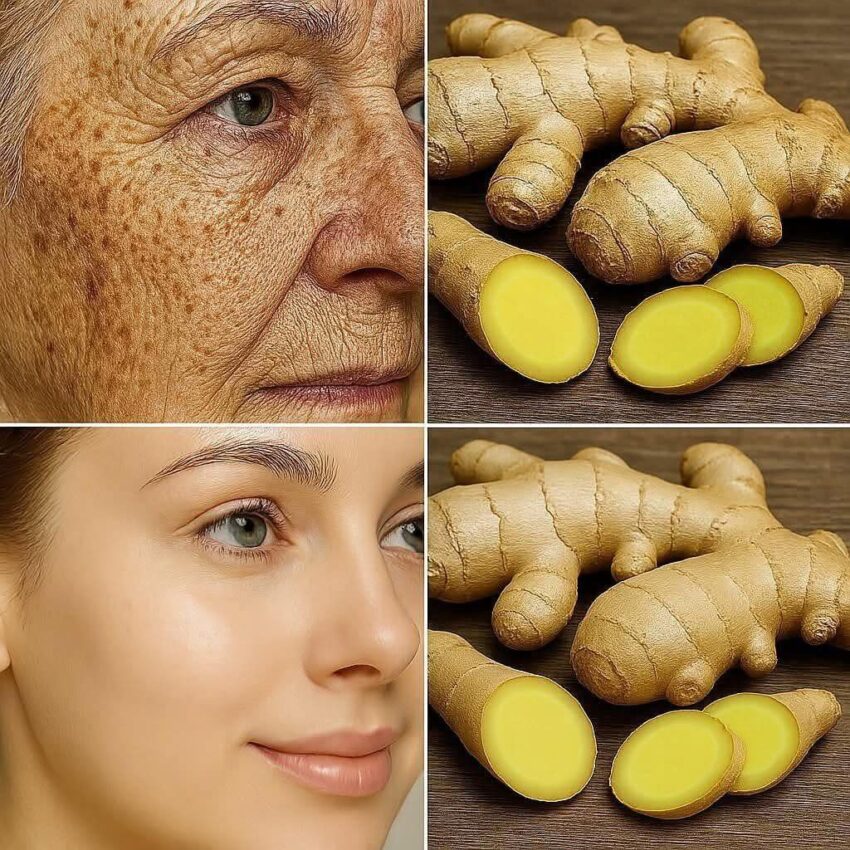
Ginger vs. Botox: The Truth About Wrinkles, Dark Spots, and What Actually Works
Can ginger really outperform Botox for wrinkles and dark spots? Discover the truth, safe skincare methods, and what actually works in 2026.
The Claim That Sounds Too Good to Be True
Scroll through social media long enough, and you’ll eventually see it:
“Ginger is 100 times more powerful than Botox.”
It’s bold. It’s intriguing. And for anyone frustrated with stubborn wrinkles, freckles, or dark spots, it’s incredibly tempting to believe.
But here’s the reality—this claim is misleading.
That doesn’t mean ginger isn’t powerful. It is. But comparing it to Botox in that way oversimplifies how skin aging actually works—and what your skin truly needs.
This guide breaks it all down in a clear, honest, and practical way so you can make smart decisions for your skin—without wasting time, money, or risking damage.
Understanding the Real Problem: Why Skin Ages
Before comparing ginger and Botox, it’s important to understand what you’re actually trying to fix.
Wrinkles, dark spots, and uneven texture don’t happen randomly. They’re the result of multiple factors working together:
1. Collagen Breakdown
As you age, your body produces less collagen. This leads to:
- Fine lines turning into deep wrinkles
- Loss of firmness
- Sagging skin
2. Sun Exposure (The Biggest Culprit in the U.S.)
UV damage causes:
- Freckles
- Dark spots (hyperpigmentation)
- Premature aging
3. Repetitive Facial Movements
Smiling, squinting, frowning—all of these create expression lines over time.
4. Inflammation and Oxidative Stress
Pollution, diet, and stress accelerate skin aging at the cellular level.
What Botox Actually Does (And Why It Works)
Botox isn’t a skincare product—it’s a medical treatment.
It works by temporarily relaxing the muscles that cause expression lines. That’s why it’s so effective for:
- Forehead wrinkles
- Crow’s feet
- Frown lines
Why People in the U.S. Choose Botox
- Quick results (often within days)
- Minimal downtime
- Noticeable smoothing effect
Limitations of Botox
- Doesn’t treat pigmentation (dark spots or freckles)
- Temporary (typically lasts 3–4 months)
- Requires professional administration
So Botox addresses movement-based wrinkles, not overall skin health.
What Ginger Actually Does for Skin
Now let’s talk about ginger—the natural ingredient at the center of the claim.
Ginger has been used for centuries in traditional remedies, and modern research supports several skin-related benefits.
Key Compounds in Ginger
- Gingerol (anti-inflammatory)
- Shogaol (antioxidant)
- Zingerone (protective against oxidative stress)
Real Benefits of Ginger for Skin
1. Reduces Inflammation
Helps calm irritated skin and may improve redness.
2. Fights Free Radicals
Antioxidants protect skin from environmental damage.
3. Brightens Skin Tone
Can help reduce the appearance of dark spots over time.
4. Improves Circulation
Topical application may give skin a healthier glow.
Ginger vs. Botox: A Clear, Honest Comparison
| Feature | Ginger | Botox |
|---|---|---|
| Type | Natural ingredient | Medical treatment |
| Works on wrinkles? | Mild, long-term support | Immediate muscle relaxation |
| Works on dark spots? | Yes (gradually) | No |
| Speed of results | Slow | Fast |
| Risk level | Low (if used properly) | Moderate (requires professional) |
| Cost | Very low | High |
Bottom line:
Ginger is helpful—but it is not a replacement for Botox. They serve completely different purposes.
Why the “100 Times More Powerful” Claim Is Misleading
This claim spreads because it taps into a powerful psychological trigger:
People want natural solutions that outperform expensive treatments.
But here’s the issue:
- There is no scientific evidence supporting that comparison
- Botox and ginger work in entirely different ways
- The claim exaggerates results to drive clicks and shares
That doesn’t make ginger useless—it just means expectations need to be realistic.
How Ginger Can Actually Improve Your Skin (The Right Way)
Instead of expecting miracles, use ginger as part of a smart, consistent skincare routine.
DIY Ginger Brightening Mask
Ingredients:
- 1 teaspoon fresh ginger juice
- 1 tablespoon honey
- A few drops of lemon juice (optional)
Steps:
- Mix ingredients thoroughly
- Apply to clean skin
- Leave for 10–15 minutes
- Rinse with lukewarm water
Frequency: 2–3 times per week
What to Expect
- Subtle glow after a few uses
- Gradual fading of mild dark spots
- Improved skin texture over time
Real-World Scenario: What Actually Works
Let’s take a typical U.S. skincare scenario:
Case:
A 38-year-old professional dealing with:
- Early forehead lines
- Sun spots from years of outdoor exposure
Approach That Works
Instead of choosing between ginger or Botox:
- Uses sunscreen daily
- Adds ginger mask 2–3 times weekly
- Applies vitamin C serum
- Gets Botox twice a year for deeper lines
Result:
Balanced, natural-looking improvement—not unrealistic overnight change.
Common Mistakes People Make with Ginger
1. Using It Too Frequently
Overuse can irritate the skin.
2. Applying Raw Ginger Directly
This can cause burning or redness.
3. Expecting Instant Results
Natural remedies require consistency.
4. Skipping Sunscreen
No treatment works if UV damage continues.
Expert Tips Most People Don’t Know
Combine Ginger with Proven Ingredients
Pair it with:
- Vitamin C
- Niacinamide
- Hyaluronic acid
Focus on Prevention, Not Just Correction
The earlier you start protecting your skin, the better your long-term results.
Patch Test Every Time
Even natural ingredients can cause reactions.
2026 Skincare Trends You Should Know
The skincare landscape in the U.S. is shifting toward hybrid routines:
- Natural + clinical treatments combined
- Personalized skincare based on genetics
- Increased focus on barrier repair
Consumers are moving away from extremes and toward balanced, evidence-based routines.
Pros and Cons of Using Ginger for Skin
Pros
- Affordable
- Natural
- Antioxidant-rich
- Supports overall skin health
Cons
- Slow results
- Not effective for deep wrinkles
- Can irritate sensitive skin
- Requires consistency
FAQs (People Also Ask Style)
1. Can ginger remove deep wrinkles permanently?
No. It may improve skin quality, but it cannot eliminate deep wrinkles.
2. Does ginger lighten dark spots?
Yes, gradually—especially when combined with sun protection.
3. Is ginger safe for all skin types?
Mostly, but sensitive skin should proceed cautiously.
4. How long does it take to see results?
Typically 4–8 weeks with consistent use.
5. Can ginger replace Botox?
No. They serve different purposes.
6. Can I leave ginger on my face overnight?
Not recommended due to potential irritation.
7. Does ginger help with acne scars?
It may slightly improve appearance but won’t remove deep scars.
8. Is store-bought ginger skincare effective?
Some products are formulated safely and can be beneficial.
9. Can men use ginger for skincare?
Absolutely—skin concerns are universal.
10. What’s the best time to apply ginger masks?
Evening is ideal to avoid sun sensitivity.
Action Checklist: What You Should Actually Do
- ✔ Use sunscreen daily (non-negotiable)
- ✔ Add antioxidant support (like ginger or vitamin C)
- ✔ Stay consistent with skincare routines
- ✔ Consider professional treatments for deep wrinkles
- ✔ Avoid viral “miracle” claims
There’s no single ingredient—natural or medical—that can do everything.
Ginger is valuable. Botox is effective. But neither is a magic solution on its own.
The real secret is consistency, balance, and realistic expectations.
Ginger is not 100 times more powerful than Botox—but it is a useful, natural addition to a smart skincare routine.
If you focus on long-term skin health instead of quick fixes, you’ll see better, more sustainable results.
Have you tried natural remedies like ginger, or are you considering treatments like Botox?
Share your thoughts, experiences, or questions below—your insight might help someone else make a better decision.