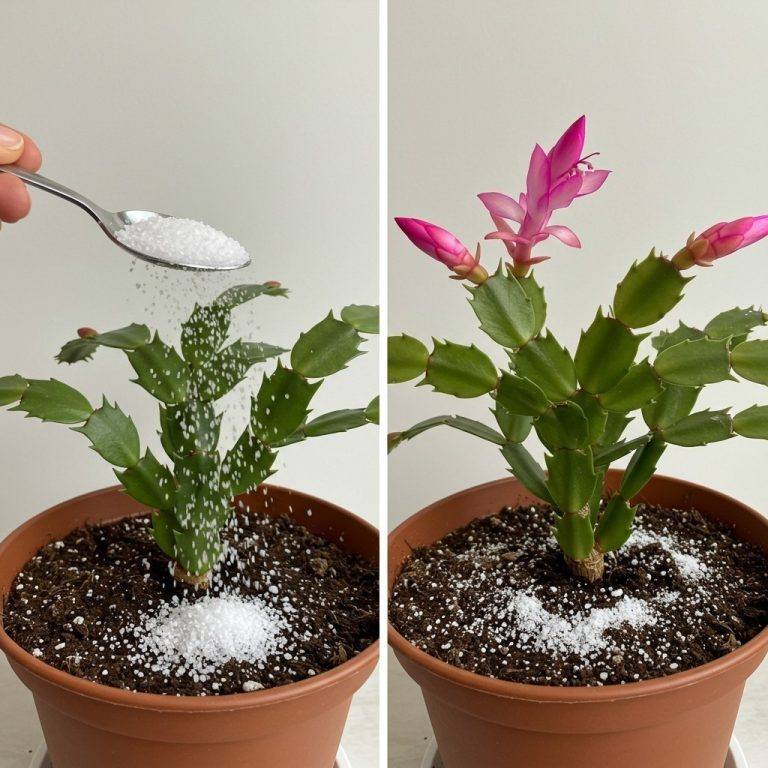
Fall Awakening: The Surprising “Little Secret” That Can Bring Your Houseplants Back to Life
Struggling with tired houseplants in fall? Discover the simple “tablespoon trick,” what really works, and how to revive indoor plants safely this season.
Your Plants Didn’t Suddenly “Fail”—Fall Just Changed the Rules
One week your houseplants look full and vibrant.
The next, leaves start yellowing, growth slows, and everything feels… off.
If you’ve ever thought, “What did I do wrong?”—you’re not alone.
The truth is, fall quietly shifts your plant’s entire environment:
- Shorter daylight hours
- Drier indoor air from heating systems
- Slower natural growth cycles
And suddenly, the care routine that worked all summer… doesn’t anymore.
That’s where the idea of a “little secret”—like adding a tablespoon of something—starts gaining attention.
But here’s what most people don’t realize:
👉 Some of these tricks genuinely help.
👉 Others can slowly harm your plants if misused.
Let’s break down what actually works—and how to revive your indoor plants the right way this fall.
What Happens to Houseplants in the Fall?
Before adding anything to your soil, it’s important to understand what your plants are going through.
Key Fall Changes Indoors
- Reduced sunlight → slower photosynthesis
- Cooler temperatures → reduced water uptake
- Dry indoor air → stressed leaves and roots
- Dormancy signals → plants conserve energy
This combination often leads to:
- Drooping leaves
- Yellowing foliage
- Slower or stopped growth
- Increased sensitivity to overwatering
So the goal isn’t to “force growth”—it’s to support your plant’s natural transition.
The “Little Secret” Everyone Talks About
If you’ve seen plant tips online, you’ve likely come across variations of this:
“Just add a tablespoon of [something] to your plant and watch it thrive.”
Common ingredients include:
- Epsom salt
- Hydrogen peroxide
- Coffee grounds
- Cinnamon
Let’s explore what actually happens when you use them—and how to do it safely.
The Most Effective Fall Boost: Epsom Salt (Used Correctly)
Why It Works
Epsom salt contains magnesium, a key element in chlorophyll production.
In fall, when light is limited, plants can struggle to maintain strong green leaves. Magnesium helps support that process.
What You’ll Notice
- Leaves appear deeper green within 1–2 weeks
- Slight improvement in plant vitality
- Better resilience to seasonal stress
How to Use It Safely
- Mix 1 tablespoon of Epsom salt in 1 gallon of water
- Water your plant once every 3–4 weeks
- Do not apply dry directly to soil
When to Skip It
- If your plant already looks healthy
- If you’ve recently fertilized
- If you’re unsure about nutrient imbalance
The Oxygen Trick: Hydrogen Peroxide for Root Health
Why It Helps in Fall
With slower growth, plants use less water—making overwatering more common.
Hydrogen peroxide introduces oxygen into the soil, helping roots breathe.
What to Expect
- Reduced risk of root rot
- Improved soil freshness
- Possible recovery in struggling plants
How to Use
- Add 1 tablespoon to a cup of water
- Use occasionally—not every watering
Important Note
This is a support tool, not a regular feeding method.
The Gentle Protector: Cinnamon for Mold and Fungus
Fall humidity changes can sometimes lead to:
- Mold on soil
- Fungal issues
Cinnamon has natural antifungal properties.
How to Apply
- Lightly sprinkle on soil surface
- Use sparingly
What It Does
- Helps prevent mold
- Keeps soil surface cleaner
What NOT to Do (This Is Where Most People Go Wrong)
1. Adding Random Ingredients Without Purpose
Each substance has a specific role.
👉 Don’t experiment blindly.
2. Overusing “Natural” Remedies
Even safe ingredients can:
- Disrupt soil balance
- Stress roots
3. Trying to Force Growth in Fall
Your plant isn’t failing—it’s slowing down naturally.
4. Ignoring the Real Problem
Many plant issues come from:
- Overwatering
- Poor lighting
- Temperature stress
—not nutrient deficiency.
Real-Life Scenario: A Typical Fall Recovery
A plant owner in Illinois noticed their pothos turning yellow in October.
Instead of immediately fertilizing, they:
- Reduced watering frequency
- Moved the plant closer to a window
- Used a diluted Epsom salt solution once
Within a few weeks:
- Yellowing slowed
- Leaves regained color
- New growth resumed slowly
The key wasn’t just the “tablespoon trick”—it was adjusting to seasonal changes first.
Pros and Cons of Using “Tablespoon Tricks”
Pros
- Simple and affordable
- Can address specific issues
- Easy to apply
Cons
- Easy to misuse
- Not a substitute for proper care
- Can create imbalances over time
Expert Tips for Thriving Houseplants This Fall
- Water less often than in summer
- Maximize natural light (south-facing windows help)
- Dust leaves to improve light absorption
- Avoid heavy fertilizing
- Check humidity levels—especially with indoor heating
2026 Trend: Smarter, Minimal Plant Care
More plant owners are moving away from quick hacks and toward:
- Understanding plant biology
- Using targeted, minimal interventions
- Focusing on long-term soil health
The “tablespoon method” is still around—but now it’s used more intentionally.
Frequently Asked Questions
1. Do plants need fertilizer in fall?
Usually less, since growth slows.
2. Can I revive a dying plant with one trick?
No—recovery requires identifying the root cause.
3. Is Epsom salt safe for all plants?
Not all—use only when needed.
4. Why are my leaves turning yellow in fall?
Often due to reduced light or overwatering.
5. Should I repot plants in fall?
Only if necessary—spring is usually better.
6. Can I use multiple remedies at once?
It’s better to use one at a time.
7. How often should I water in fall?
Less frequently—check soil dryness first.
8. Is indoor heating harmful to plants?
It can dry the air and stress plants.
Your Fall Plant Care Checklist
✔ Adjust watering schedule
✔ Increase light exposure
✔ Use Epsom salt sparingly (if needed)
✔ Avoid over-fertilizing
✔ Monitor humidity
✔ Watch for mold or root issues
✔ Keep care simple and consistent
Conclusion: The Real Secret Isn’t the Spoon—It’s Awareness
That “little secret” you’ve heard about?
It’s not really about adding something to your plant.
It’s about understanding what your plant actually needs right now.
A tablespoon of the right ingredient can help—but only when it’s used thoughtfully, not blindly.
Fall doesn’t weaken your plants—it changes their needs.
When you adjust your care and use simple tools wisely, your houseplants won’t just survive the season—they’ll stay strong through it.
Have you tried any fall plant care tricks that worked (or failed)? Share your experience—your insight could save someone else’s favorite plant.