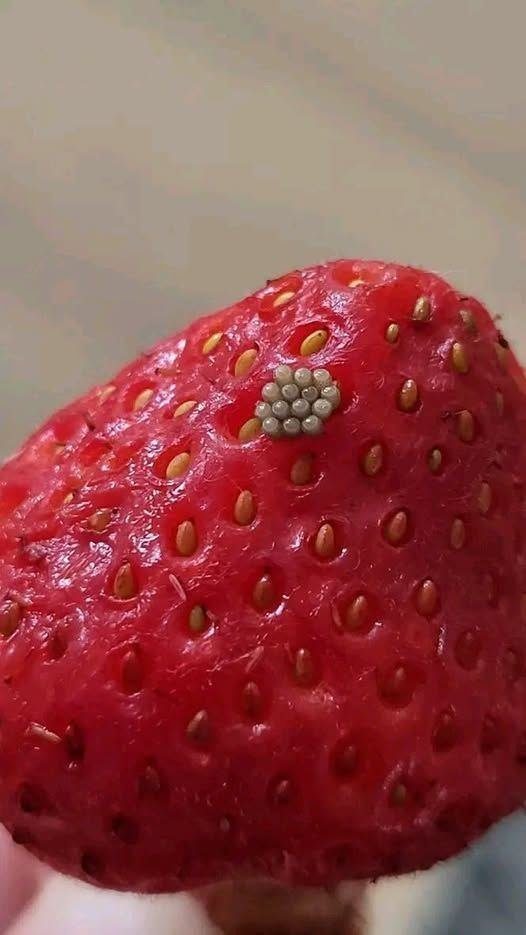
White Worms in Your Berries After a Salt Soak? Here’s Exactly What It Means (and Whether You Should Toss Them)
Found tiny white worms after soaking berries in salt water? Learn what they are, if your fruit is safe, and how to clean berries the right way.
You Did the “Right” Thing… and Now You’re Grossed Out
You soak your fresh berries in salt water—something you’ve probably seen recommended online—and suddenly:
Tiny white, wiggling things start crawling out.
It’s enough to make anyone pause mid-snack.
Your first thought is probably:
“Should I throw all of these away?”
Before you dump them in the trash, take a breath—because what you’re seeing is actually more common (and less dangerous) than it looks.
This guide will walk you through:
- What those white worms actually are
- Whether your berries are still safe to eat
- When you should throw them away
- How to clean berries properly going forward
What Are the White Wiggling Things?
In most cases, those tiny white worms are fruit fly larvae—specifically from a species called spotted wing drosophila.
Unlike regular fruit flies that lay eggs on rotting fruit, these flies:
- Lay eggs inside fresh, ripening berries
- Are common across the United States, especially in warmer months
- Target soft fruits like:
- Strawberries
- Raspberries
- Blackberries
- Blueberries
When you soak berries in salt water, the salt irritates the larvae and forces them to wriggle out.
So what you’re seeing isn’t caused by the salt—it’s revealing what was already there.
Is It Dangerous to Eat Berries with Larvae?
Here’s the honest answer:
It’s unpleasant—but not typically harmful.
According to food safety guidance in the U.S.:
- These larvae are not known to carry harmful diseases
- Accidentally eating one is unlikely to make you sick
- Your stomach acid would break them down quickly
That said…
👉 There’s a difference between “safe” and “appetizing.”
Most people understandably choose not to eat fruit once they’ve seen this.
Should You Throw the Berries Away?
It depends on how severe the infestation is.
You can keep them if:
- Only a few larvae appeared
- The berries are firm and not mushy
- There’s no sour or fermented smell
You should throw them away if:
- You see a large number of larvae
- The berries feel soft, slimy, or collapsing
- There’s visible mold
- They smell off or fermented
Rule of thumb:
If the fruit structure is breaking down, it’s no longer worth saving.
Why This Happens (Especially in the U.S.)
This issue has become more common across American farms and grocery supply chains due to:
- The spread of spotted wing drosophila across many states
- Warmer seasonal temperatures
- Increased demand for fresh, pesticide-reduced produce
Even high-quality berries—from grocery stores or farmers markets—can be affected.
Organic berries, in particular, may have a higher chance simply because fewer insecticides are used.
Step-by-Step: How to Clean Berries Properly
If you want to reduce the chance of encountering this again, here’s a safe and practical method.
Method 1: Salt Water Soak (Most Effective)
- Fill a bowl with water
- Add 1 tablespoon of salt per cup of water
- Soak berries for 5–10 minutes
- Watch for any larvae emerging
- Rinse thoroughly with clean water
Method 2: Vinegar Rinse (For Bacteria & Mold)
- Mix 1 part vinegar to 3 parts water
- Soak berries for 2–3 minutes
- Rinse well
This won’t pull out larvae as effectively but helps with surface bacteria.
Important Tip
Always rinse after soaking.
Leaving salt or vinegar residue can affect taste and texture.
Real-Life Scenario: What Most People Experience
A typical home kitchen situation:
- A family buys fresh strawberries from a local store
- They try a salt soak after seeing a viral tip
- A few tiny white worms appear
Their reaction? Shock—and immediate loss of appetite.
But after sorting:
- The firm, unaffected berries are kept
- The soft ones are discarded
No illness, just a strong lesson in how nature works.
Pros and Cons of Salt Soaking
Pros
- Reveals hidden larvae
- Helps clean fruit more thoroughly
- Simple and inexpensive
Cons
- Can be visually unpleasant
- May slightly affect texture if over-soaked
- Doesn’t prevent future infestations
Common Mistakes to Avoid
1. Assuming All Berries Are Contaminated
Seeing larvae in one batch doesn’t mean all berries are affected.
2. Over-Soaking
Leaving berries too long can make them:
- Mushy
- Waterlogged
3. Skipping the Rinse
Salt residue can ruin the flavor quickly.
4. Storing Wet Berries
Moisture speeds up spoilage—always dry them before storing.
Expert Tips Most People Don’t Know
- Buy berries in-season locally for fresher, less infested fruit
- Refrigerate immediately to slow egg development
- Eat berries quickly—don’t let them sit for days
- Inspect before buying: look for overly soft or leaking fruit
2026 Insight: Why You’re Seeing This More Often
Food trends are shifting toward:
- Less pesticide use
- More organic farming
- Minimal processing
That’s good for health—but it also means:
👉 You’re more likely to encounter natural insect activity.
It’s not a failure of food safety—it’s a trade-off.
FAQs (People Also Ask)
1. Are the worms harmful if eaten?
No, they’re generally harmless if accidentally consumed.
2. Does salt water kill the larvae?
It forces them out, but doesn’t necessarily “kill instantly.”
3. Can freezing berries remove them?
Freezing may kill larvae, but it won’t remove them from the fruit.
4. Do all strawberries have worms?
No—but soft, ripe berries are more likely to have them.
5. Are organic berries worse?
Not worse—just less treated, which can allow insects.
6. Can I still eat cleaned berries?
Yes, if they’re firm, fresh, and properly rinsed.
7. Why didn’t I notice before?
Because the larvae stay hidden inside until disturbed.
8. Is this a sign of poor quality?
Not necessarily—it’s often just nature at work.
Action Checklist
✔ Inspect berries before buying
✔ Use salt soak for peace of mind
✔ Discard soft or heavily infested fruit
✔ Rinse thoroughly after soaking
✔ Store dry and refrigerated
✔ Eat within a few days
Conclusion: Gross, Yes—But Not a Crisis
Finding tiny worms in your berries can be unsettling—but it doesn’t automatically mean your food is unsafe.
In most cases, it simply means your fruit was fresh enough to attract insects in the natural environment where it grew.
The key is knowing when to keep, when to toss, and how to prevent it next time.
If only a few larvae appear and your berries are still firm, you can safely rinse and eat them.
If the infestation is heavy or the fruit is breaking down, it’s best to throw them away.
Have you ever tried the salt soak method? Did it change how you feel about fresh fruit? Share your experience—others are probably wondering the same thing.