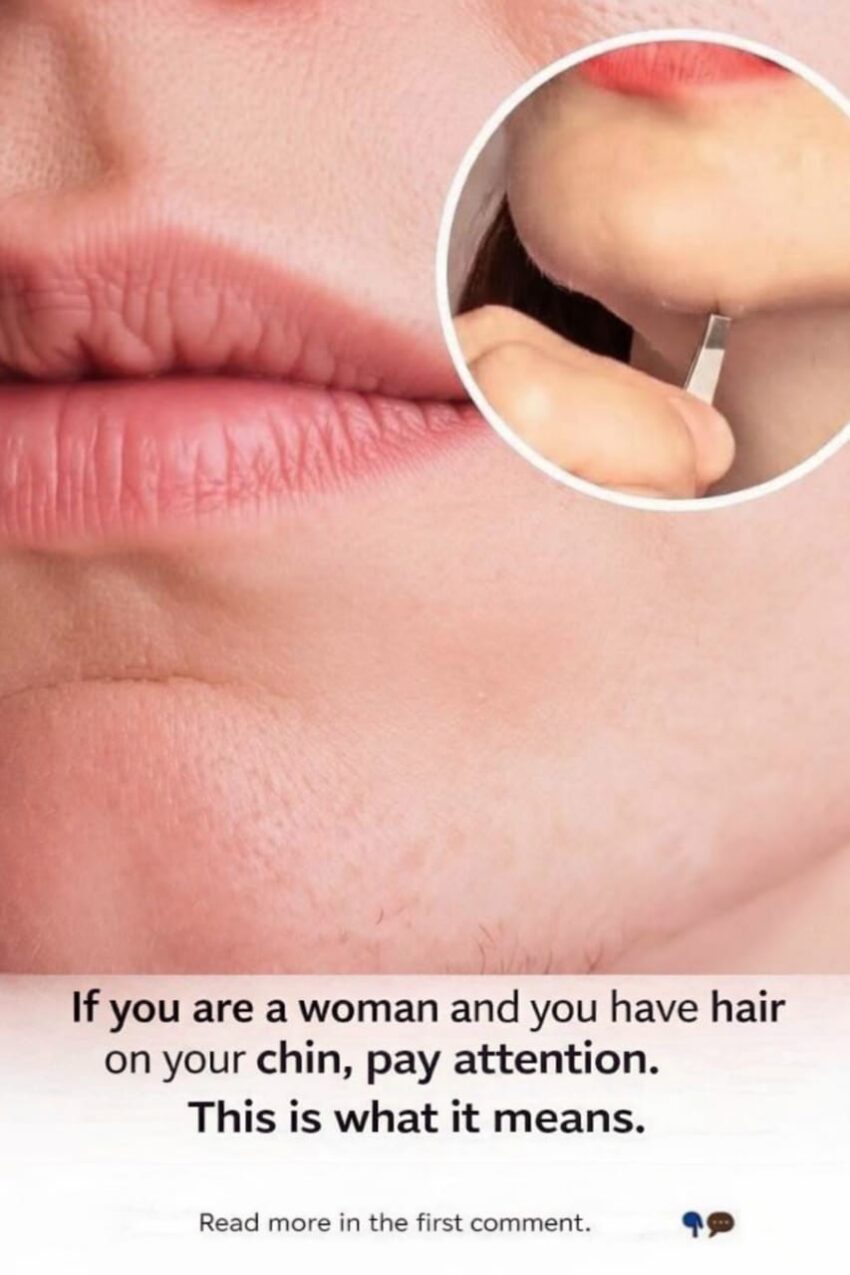
Do Women Get Chin or Mustache Hair? The Truth About Female Facial Hair (And What’s Actually Normal)
Do women have chin or mustache hair? Learn why it happens, what’s normal, and how to manage it safely with expert-backed, practical advice.
It usually starts the same way.
You’re looking in the mirror—maybe under bright bathroom lighting—and suddenly you notice it. A few darker hairs on your chin. Maybe a faint line above your lip.
And the immediate thought hits:
“Is this normal?”
For many women in the United States, this question comes with quiet confusion, embarrassment, or even anxiety. Social expectations rarely talk about it openly, yet dermatologists hear about it every single day.
Here’s the truth:
Yes—women can have chin hair and upper lip hair. And in most cases, it’s completely normal.
This guide will walk you through:
- Why women develop facial hair
- What’s considered normal vs. when to check with a doctor
- Practical, safe ways to manage it
- Common myths that cause unnecessary worry
Let’s clear it up—without shame, exaggeration, or confusion.
What Counts as Facial Hair in Women?
All women have facial hair.
The difference isn’t whether it exists—it’s how visible it is.
Two Types of Hair
- Vellus Hair (Peach Fuzz)
- Fine, soft, light-colored
- Covers most of the face
- Usually not noticeable
- Terminal Hair
- Thicker, darker, coarser
- More noticeable
- Common on chin, upper lip, or jawline
When people talk about a “mustache” or “chin hair” in women, they’re referring to terminal hair growth in those areas.
Why Do Some Women Have Chin or Upper Lip Hair?
There’s no single cause. It’s usually a mix of natural biological factors.
1. Hormones (The Primary Driver)
Women naturally produce small amounts of androgens (often called “male hormones”).
When these hormones are slightly higher—or your body is more sensitive to them—you may notice:
- Chin hair
- Upper lip hair
- Thicker or darker strands
This is extremely common and often harmless.
2. Genetics
If women in your family have facial hair, chances are you might too.
Genetics influence:
- Hair thickness
- Hair color
- Growth patterns
This is why some women notice it earlier or more prominently than others.
3. Aging and Menopause
As women age—especially after menopause—hormone levels shift:
- Estrogen decreases
- Androgen effects become more noticeable
This can lead to:
- New chin hairs appearing
- Hair becoming coarser over time
Many women in their 40s, 50s, and beyond report this as a completely new experience.
4. Medical Conditions (Less Common, But Important)
In some cases, excessive facial hair growth may be linked to conditions like Polycystic Ovary Syndrome.
This is more likely if facial hair is paired with:
- Irregular periods
- Acne
- Weight changes
- Hair thinning on the scalp
If you notice these symptoms together, it’s worth speaking with a healthcare provider.
What’s Considered Normal?
Let’s make this simple:
A few chin hairs or some upper lip hair = normal.
Even:
- Darker strands
- Coarse “random” hairs
- Hair that grows back repeatedly
All of this falls within normal variation.
Dermatologists in the U.S. routinely reassure patients that facial hair in women is far more common than people think—it’s just rarely talked about openly.
Why This Topic Feels So Sensitive
This isn’t just about hair—it’s about perception.
In American culture, smooth, hairless skin has long been associated with femininity. That creates pressure, even though the biology tells a different story.
The Reality
- Many women remove facial hair regularly
- Most don’t talk about it
- Social media rarely shows it honestly
This gap between reality and representation creates unnecessary self-doubt.
Safe and Effective Ways to Manage Facial Hair
There’s no “correct” choice here—just what works best for you.
1. Tweezing
Best for: A few stray chin hairs
- Precise
- Inexpensive
- Easy to do at home
Tip: Use clean tweezers and good lighting to avoid skin irritation.
2. Facial Shaving (Dermaplaning)
Best for: Light to moderate hair
- Quick and painless
- Removes peach fuzz and dead skin
- Very common in the U.S.
Important: It does not make hair grow back thicker.
3. Waxing or Threading
Best for: Larger areas like upper lip
- Longer-lasting results
- Removes hair from the root
Consideration: Can cause temporary redness or sensitivity.
4. Laser Hair Removal
Best for: Long-term reduction
- Targets hair follicles
- Reduces growth over time
Best suited for: Dark hair on lighter skin tones (though newer tech is expanding options).
5. Prescription Treatments
In some cases, doctors may recommend creams or medications—especially if hair growth is hormone-related.
Common Myths That Cause Unnecessary Stress
Myth 1: “Only men grow facial hair”
Reality: Women do too—it’s just often finer or less visible.
Myth 2: “Shaving makes it worse”
Reality: Hair may feel coarser, but it doesn’t grow back thicker.
Myth 3: “It means something is wrong with me”
Reality: In most cases, it’s completely normal and harmless.
Myth 4: “Everyone else has perfect skin”
Reality: Most people are managing something—you just don’t see it.
When Should You See a Doctor?
Facial hair is usually nothing to worry about—but there are exceptions.
Pay attention if you notice:
- Sudden, rapid hair growth
- Thick hair appearing in multiple areas
- Irregular menstrual cycles
- Severe acne or scalp hair loss
These signs may indicate a hormonal imbalance that needs evaluation.
Real-Life Scenario (What This Actually Looks Like)
Imagine two women:
- One quietly tweezes a few chin hairs every week
- The other ignores them and feels self-conscious
Both have the same situation—but very different experiences.
The difference isn’t the hair—it’s understanding and perspective.
Pros and Cons of Managing Facial Hair
Pros
- Boosts confidence
- Improves comfort in social settings
- Gives you control over your appearance
Cons
- Requires ongoing maintenance
- Some methods may irritate sensitive skin
- Can feel frustrating if misunderstood
Expert Tips Most Women Don’t Hear
- Lighting matters: Many hairs are only visible in certain lighting
- Consistency helps: Regular maintenance is easier than waiting
- Skin care matters: Gentle care prevents irritation
- Less is more: Over-treating can damage skin
Frequently Asked Questions
1. Is it normal for women to have chin hair?
Yes, especially as they age or due to genetics.
2. Why do chin hairs feel thicker?
They’re terminal hairs, which are naturally coarser.
3. Can I permanently remove facial hair?
Laser treatments can significantly reduce it, but not always completely eliminate it.
4. Does stress cause facial hair?
Not directly, but it can affect hormones, which may play a role.
5. Is facial shaving safe for women?
Yes, when done properly with clean tools.
6. How often should I remove chin hair?
As needed—it varies from person to person.
7. Can diet affect facial hair?
In some cases, especially if it influences hormones.
8. Is it more common with age?
Yes, particularly after menopause.
9. Should I be embarrassed about it?
No—it’s a normal biological variation.
10. When should I seek medical advice?
If growth is sudden, excessive, or paired with other symptoms.
Action Checklist
- ✔ Understand that facial hair is normal
- ✔ Choose a method that fits your comfort level
- ✔ Avoid harmful myths and misinformation
- ✔ Monitor changes in your body
- ✔ Seek medical advice if something feels unusual
Conclusion
Facial hair in women isn’t unusual—it’s just under-discussed.
Once you understand the causes and normalize the experience, it becomes much easier to manage without stress or confusion.
This isn’t about perfection.
It’s about feeling comfortable in your own skin—and making informed choices without pressure or shame.
Yes, women can have chin and upper lip hair—and in most cases, it’s completely normal, manageable, and nothing to worry about.
If this helped clear things up, share your thoughts:
Have you ever wondered if what you’re experiencing is normal? You’re not alone—and your experience is more common than you think.