Medication Safety Alerts Explained: What Drug Recalls Really Mean and When You Should Be Concerned ⚠️💊
Learn how drug safety warnings and recalls work, what they actually mean for patients, and how to respond calmly and safely to medication alerts.
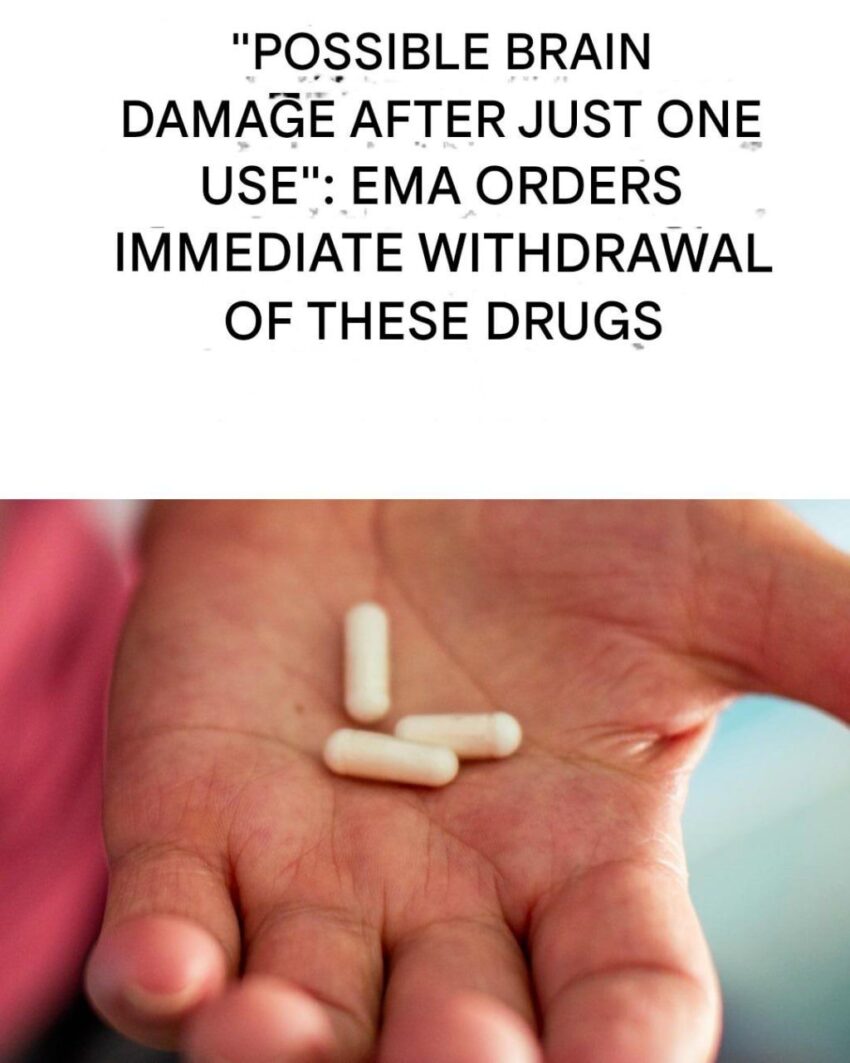
Hearing phrases like “brain damage is possible after a single dose” or “immediate drug recall ordered” can be deeply alarming.
It spreads quickly online, often without full context, and naturally triggers fear—especially when it involves medications people use or have heard about.
But here’s what’s important to understand right away:
Regulatory safety alerts and drug recalls are not all the same—and they rarely mean sudden danger for the general public.
In reality, agencies like the European Medicines Agency (EMA), the U.S. Food and Drug Administration (FDA), and other health authorities use a structured system to evaluate and communicate risks. Many alerts are precautionary, based on ongoing review, reported side effects, or manufacturing quality issues.
This article breaks down how these warnings actually work, what a recall really means, and how to interpret medication safety news without panic or confusion.
What a Drug Recall Actually Means
A drug recall happens when a medication is removed from the market or distribution due to a potential safety or quality issue.
But not all recalls are equal.
They are usually classified into three main categories:
Class I Recall (Most Serious)
- There is a reasonable probability of serious harm or death
- The medication is typically removed quickly from circulation
Class II Recall (Moderate Risk)
- May cause temporary or reversible health effects
- Risk level is lower and more specific
Class III Recall (Lowest Risk)
- Unlikely to cause harm
- Often related to labeling, packaging, or minor quality issues
So when you see “recall,” it does not automatically mean widespread danger or immediate harm to everyone who took the medication.
Understanding Safety Warnings from Agencies Like EMA or FDA
Regulatory agencies constantly monitor medications even after approval.
They act on:
- Clinical trial data
- Post-market reports
- Healthcare provider feedback
- Patient-reported side effects
- Manufacturing quality checks
This system is designed to be proactive, not reactive.
That means:
A warning or recall is often issued to prevent potential harm—not because widespread harm has already occurred.
About Claims Like “Brain Damage from a Single Dose”
Statements suggesting severe outcomes like “brain damage after one dose” should always be treated carefully.
In scientific and regulatory contexts:
- Serious neurological side effects are typically rare and case-specific
- Causation requires strong clinical evidence
- Most medications undergo extensive safety testing before approval
- Post-marketing reports are reviewed carefully before conclusions are made
In many cases, early reports may later be:
- Revised
- Reclassified
- Found unrelated to the medication
This is why health agencies rely on ongoing review rather than single reports or isolated claims.
Why Medication Alerts Can Sound More Scary Than They Are
There are a few reasons safety updates often feel alarming:
1. Headlines simplify complex data
A technical safety review may become a dramatic statement online.
2. Rare side effects get amplified
Even extremely uncommon reactions may be highlighted for transparency.
3. Social media spreads incomplete information
Context is often missing in reposted alerts.
4. Medical language sounds severe
Words like “risk,” “serious,” or “neurological” sound more alarming without explanation.
What You Should Do If You Hear About a Drug Recall
If you come across a medication safety alert, here’s a calm, practical approach:
Step 1: Check official sources
Look at:
- EMA (Europe)
- FDA (United States)
- National health authorities
Step 2: Do not stop medication abruptly
Stopping some medications suddenly can be more harmful than the reported risk.
Step 3: Consult a healthcare provider
Doctors can interpret whether the warning applies to your situation.
Step 4: Verify whether the recall affects your specific batch or condition
Many recalls are limited to:
- Specific manufacturers
- Specific production batches
- Specific usage conditions
Real-World Example of How Recalls Work
A typical scenario might look like this:
- A manufacturer reports a quality issue in one batch
- Regulators investigate and issue a recall for that batch only
- Pharmacies remove affected stock
- Patients using other batches remain unaffected
This is far more common than full-market withdrawal.
Pros and Cons of Strong Drug Safety Monitoring
Pros
- Early detection of potential risks
- Improved long-term drug safety
- Transparency for healthcare providers and patients
- Continuous improvement in manufacturing standards
Cons
- Can cause public confusion
- May create unnecessary fear online
- Early data can be misinterpreted
- Temporary shortages in some cases
Common Mistakes People Make During Safety Alerts
1. Panic stopping medication
This can worsen underlying conditions.
2. Believing social media headlines
Not all posts reflect verified medical information.
3. Assuming worst-case scenarios
Most alerts are precautionary, not definitive harm statements.
4. Ignoring healthcare advice
Doctors are the best source for personalized guidance.
How Regulatory Agencies Protect Public Health
Agencies like EMA and FDA:
- Continuously monitor drug safety data
- Require manufacturers to report side effects
- Conduct independent reviews
- Update guidelines when needed
- Issue recalls only when justified by evidence
This system is designed to balance access to treatment with patient safety.
FAQs
1. Does a drug recall mean the medication is dangerous?
Not always. Many recalls are precautionary or limited in scope.
2. Should I stop taking a recalled medication immediately?
Only under medical guidance—never abruptly without advice.
3. Are all side effects discovered before approval?
No, some rare effects appear after widespread use.
4. What should I do if I took a recalled drug?
Consult your healthcare provider for personalized advice.
5. Can a single dose cause serious harm?
In most approved medications, serious harm from a single dose is extremely rare and not generalizable.
6. Why do recalls happen after approval?
Because real-world use provides more data than clinical trials alone.
7. Where can I verify drug safety alerts?
Official health authority websites are the most reliable sources.
8. Should I be afraid of medication warnings?
No—understanding them is more useful than fearing them.
Medication safety alerts are designed to protect public health—not to create panic.
While headlines can sound dramatic, the real-world system behind drug monitoring is careful, evidence-based, and constantly updated.
The most important thing is not fear—but awareness, verification, and communication with healthcare professionals when needed.
Drug recalls and safety warnings are part of a structured monitoring system. They do not automatically mean widespread danger, and most require context, confirmation, and professional interpretation before taking action.
If this helped clarify how medication alerts work, share it with someone who follows health news closely—and encourage checking official sources before reacting to alarming headlines.