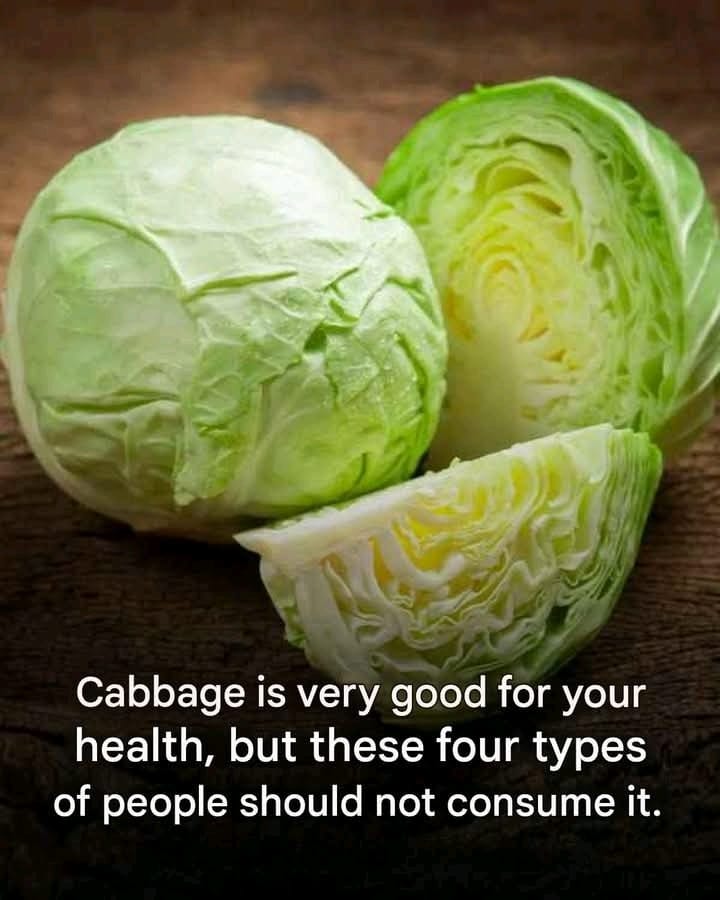
4 Types of People Who Shouldn’t Eat Cabbage (What Most Don’t Realize Until It’s Too Late)
Cabbage is healthy—but not for everyone. Discover 4 types of people who should avoid it, why it matters, and safer ways to enjoy it.
When a “Healthy Food” Backfires
Cabbage shows up everywhere — from coleslaw at summer barbecues to trendy gut-health recipes on social media.
It’s cheap. It’s nutrient-packed. It’s widely considered a “superfood.”
But here’s the part most people don’t hear:
For certain individuals, cabbage can quietly cause more harm than good.
If you’ve ever felt bloated, sluggish, or just “off” after eating it, your body might be trying to tell you something.
This guide breaks down the four types of people who should limit or avoid cabbage, why it happens, and what to do instead — without fear, confusion, or unnecessary restriction.
A Quick Look at Cabbage: Why It’s Usually So Healthy
Before we get into who should avoid it, it’s worth understanding why cabbage is so popular.
Cabbage is rich in:
- Vitamin C
- Vitamin K
- Fiber
- Antioxidants
- Plant compounds that support detoxification
For most people, it supports:
- Digestive health
- Heart health
- Immune function
But like many powerful foods, its benefits depend on your body’s unique situation.
1. People With Thyroid Disorders (Especially Hypothyroidism)
What’s the Issue?
Cabbage belongs to a group of vegetables called cruciferous vegetables.
These contain compounds known as goitrogens, which can interfere with iodine uptake in the thyroid.
The thyroid relies on iodine to produce hormones that regulate:
- Metabolism
- Energy levels
- Body temperature
For someone with hypothyroidism, this interference can make symptoms worse.
When It Becomes a Problem
This doesn’t mean cabbage is completely off-limits.
Risk increases when:
- You eat large amounts of raw cabbage daily
- Your iodine intake is already low
- Your thyroid function is compromised
What Experts Suggest
- Cook cabbage instead of eating it raw (heat reduces goitrogens)
- Avoid excessive intake (especially raw juices or smoothies)
- Monitor symptoms like fatigue, weight changes, or cold sensitivity
2. People Prone to Digestive Issues (Gas, Bloating, IBS)
Why Cabbage Can Trigger Symptoms
Cabbage is high in fiber and fermentable carbohydrates.
These compounds are beneficial — but can be difficult to digest for some people.
Especially for those with:
- Irritable bowel syndrome (IBS)
- Sensitive digestion
- Gut imbalances
What Happens in the Body
When cabbage reaches your gut:
- Bacteria ferment it
- Gas is produced
- Bloating and discomfort follow
For some, it’s mild.
For others, it can feel like intense abdominal pressure.
Signs You Might Be Sensitive
- Bloating within 1–3 hours of eating
- Excess gas
- Cramping
- Irregular bowel movements
Better Approach
- Start with small portions
- Try cooked instead of raw cabbage
- Pair with easier-to-digest foods
- Consider fermented forms like sauerkraut (if tolerated)
3. People Taking Blood-Thinning Medications
The Hidden Interaction
Cabbage is very high in vitamin K.
Vitamin K plays a key role in blood clotting.
That’s usually a good thing — unless you’re taking medications like:
- Warfarin
- Other anticoagulants
Why This Matters
These medications work by controlling how your blood clots.
Sudden increases in vitamin K intake can:
- Reduce medication effectiveness
- Increase clotting risk
What Doctors Typically Recommend
You don’t necessarily need to avoid cabbage completely.
But consistency is critical:
- Eat similar amounts of vitamin K daily
- Avoid sudden spikes in intake
- Talk to your doctor before dietary changes
4. People With Kidney Issues (Especially Those Prone to Stones)
The Concern
Certain compounds in cabbage can affect people with specific kidney conditions.
While cabbage is generally considered kidney-friendly, issues may arise if:
- You are on a restricted diet
- You have advanced kidney disease
- You are managing electrolyte balance carefully
Sodium and Potassium Balance
For people with kidney problems:
- Mineral levels must be tightly controlled
- Even healthy foods can disrupt that balance
What to Do
- Follow your doctor’s dietary guidelines
- Monitor portion sizes
- Avoid self-prescribing “health foods” without medical input
Common Mistakes People Make With Cabbage
1. Assuming “Healthy” Means Unlimited
Even the healthiest foods can cause issues when overconsumed.
2. Drinking Raw Cabbage Juice Daily
This is one of the biggest triggers for thyroid and digestive issues.
3. Ignoring Body Signals
Symptoms like bloating or fatigue are often dismissed — but they matter.
4. Making Sudden Diet Changes
Large dietary shifts can shock your system.
Smart Ways to Enjoy Cabbage Safely
If you don’t fall into the high-risk groups, cabbage can still be a great addition to your diet.
Best Practices:
- Cook it (steaming, sautéing, boiling)
- Combine with protein and healthy fats
- Eat in moderate portions
- Rotate with other vegetables
Real-Life Example
A 38-year-old professional switched to daily green smoothies with raw cabbage for “detox.”
Within two weeks:
- Bloating increased
- Energy dropped
- Mild thyroid symptoms appeared
After reducing raw cabbage and switching to cooked vegetables:
- Symptoms improved
- Energy returned
The takeaway?
More isn’t always better — even with healthy foods.
Pros and Cons of Eating Cabbage
| Pros | Cons |
|---|---|
| Rich in nutrients | Can cause gas and bloating |
| Supports immunity | May affect thyroid in excess |
| Affordable and accessible | Interacts with medications |
| High in fiber | Not suitable for all conditions |
Expert Tips Most People Don’t Know
- Cooking cabbage reduces compounds that affect the thyroid
- Fermented cabbage may improve gut health for some — but not all
- Portion size matters more than people think
- Your tolerance can change over time
Frequently Asked Questions
Is cabbage bad for everyone?
No. It’s healthy for most people when eaten in moderation.
Can cooking cabbage make it safer?
Yes. Cooking reduces certain compounds that may cause issues.
How much cabbage is too much?
There’s no universal number, but large daily servings — especially raw — can cause problems.
Is sauerkraut better than raw cabbage?
For some people, yes — especially for gut health. But it depends on tolerance.
Should people with thyroid issues avoid cabbage completely?
Not necessarily. Moderation and preparation method matter.
Can cabbage cause bloating in healthy people?
Yes — especially in large amounts.
Does cabbage affect medications?
It can interact with blood thinners due to vitamin K content.
Is cabbage good for weight loss?
It can be part of a balanced diet, but it’s not a magic solution.
Your Quick Action Checklist
- Pay attention to how your body reacts
- Avoid excessive raw cabbage intake
- Cook it to improve digestibility
- Stay consistent if on medication
- Consult a healthcare provider if unsure
Conclusion: Healthy — But Not One-Size-Fits-All
Cabbage deserves its reputation as a nutrient-dense, affordable vegetable.
But like many “superfoods,” it isn’t perfect for everyone.
Understanding how your body responds — and adjusting accordingly — is what separates a healthy diet from a frustrating one.
- Cabbage is beneficial for most people
- Certain individuals should limit or modify intake
- Preparation method and portion size matter
- Listening to your body is key
If you’ve experienced unusual symptoms after eating cabbage, share your experience — your insight could help someone else make a smarter choice.