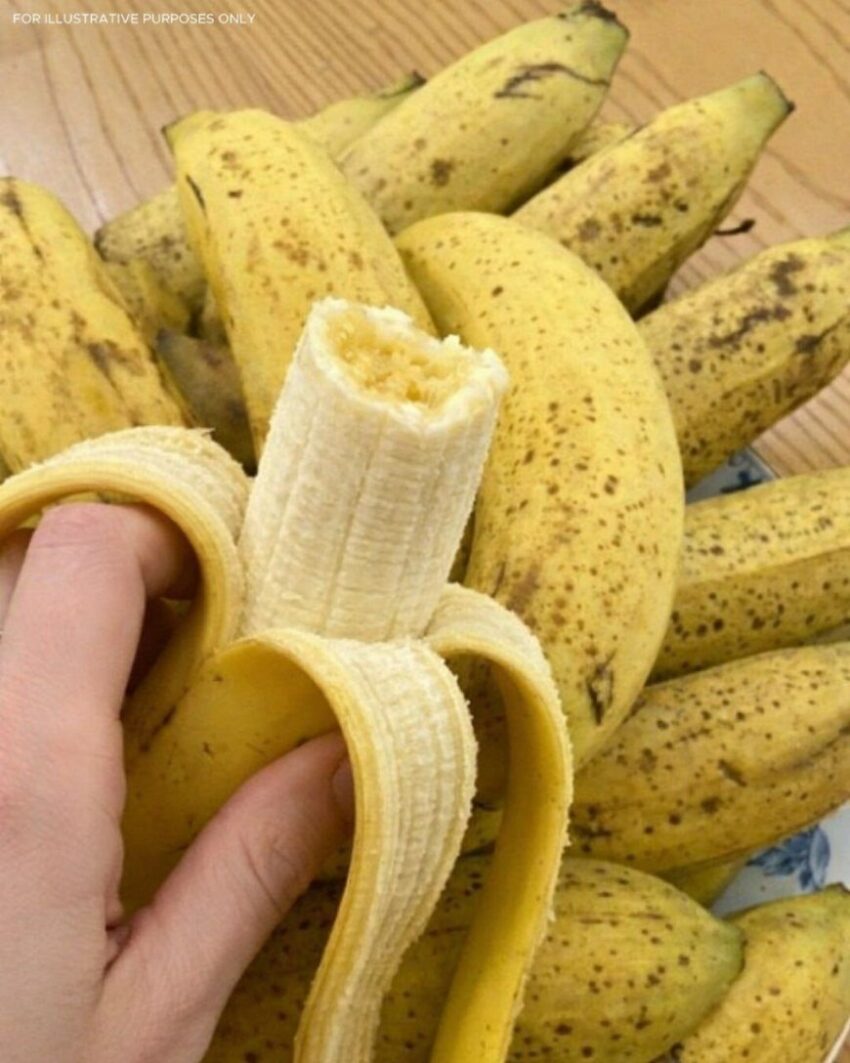
If You’re Over 50, Eating One Banana a Day Could… Here’s What Actually Happens
Over 50 and eating bananas daily? Learn the real benefits, potential risks, and how to eat them smartly for heart, digestion, and energy.
If You’re Over 50, Eating One Banana a Day Could… Here’s What Actually Happens
At some point after 50, your body starts sending clearer signals.
Energy dips feel sharper. Digestion changes. Blood pressure becomes something you actually pay attention to—not just a number at a doctor’s visit.
So when a simple habit like “eating one banana a day” comes up, it’s natural to wonder:
Is this actually good for me—or could it backfire?
Bananas are one of the most commonly eaten fruits in the United States. They’re affordable, convenient, and easy to digest. But once you’re over 50, your nutritional needs shift—and even healthy foods deserve a second look.
Here’s the truth, without hype or fear:
Eating one banana a day can be beneficial for most people over 50—but there are a few important exceptions and smarter ways to do it.
Let’s break it down clearly.
What Changes in Your Body After 50 (And Why It Matters)
Before diving into bananas specifically, it helps to understand what’s actually changing.
After 50, many adults experience:
- Slower metabolism
- Reduced muscle mass
- Increased risk of high blood pressure
- Changes in digestion
- Greater sensitivity to blood sugar spikes
These shifts don’t mean you need a complicated diet—but they do mean food choices carry more impact than they used to.
That’s where bananas come in.
What Happens When You Eat a Banana Every Day
Bananas are rich in key nutrients that become especially important later in life.
Here’s what one banana a day can do:
1. Support Heart Health Through Potassium
Bananas are well-known for potassium—and for good reason.
Potassium helps:
- Regulate blood pressure
- Balance sodium levels
- Support heart rhythm
For adults over 50, maintaining healthy blood pressure becomes critical.
A medium banana contains around 400–450 mg of potassium, which contributes meaningfully toward daily needs.
Real-life impact:
If you’re eating a high-sodium diet (common in the U.S.), adding potassium-rich foods like bananas can help balance things out.
2. Improve Digestive Regularity
Digestive changes are one of the most common complaints after 50.
Bananas contain:
- Soluble fiber (supports gut health)
- Resistant starch (especially in slightly green bananas)
This can help:
- Reduce constipation
- Support healthy gut bacteria
- Improve overall digestion comfort
Simple example:
Many people find that eating a banana in the morning helps “keep things moving” naturally—without relying on supplements.
3. Provide Steady Energy (Without Overloading)
Unlike processed snacks, bananas provide:
- Natural sugars
- Fiber (which slows absorption)
- Small amounts of B vitamins
This creates a more stable energy release compared to sugary foods.
For adults over 50 who may experience fatigue more easily, this matters.
4. Support Muscle Function
Muscle cramps—especially at night—are more common with age.
Potassium and magnesium (both present in bananas) play a role in:
- Muscle contraction
- Nerve signaling
- Cramp prevention
While a banana isn’t a cure-all, it contributes to overall muscle health.
When Eating a Banana Daily Could Be a Problem
Here’s where nuance matters.
For most people, one banana a day is safe. But in certain situations, it can create issues.
1. If You Have Blood Sugar Concerns
Bananas contain natural sugar (about 14 grams per medium banana).
For individuals with:
- Prediabetes
- Type 2 diabetes
Eating bananas—especially very ripe ones—can lead to blood sugar spikes.
Smarter approach:
- Pair your banana with protein (like peanut butter or yogurt)
- Choose slightly less ripe bananas
- Avoid eating them alone on an empty stomach
2. If You Have Kidney Issues
This is important.
People with kidney disease often need to limit potassium intake.
Too much potassium can lead to serious complications when kidneys can’t filter it properly.
If you’ve been told to monitor potassium, talk to your doctor before making bananas a daily habit.
3. If You’re Watching Calorie Intake
A banana has about 100–110 calories.
That’s not excessive—but if you’re trying to lose weight, it still counts.
The key is awareness, not avoidance.
The Right Way to Eat Bananas After 50
It’s not just whether you eat bananas—it’s how you eat them.
Smart strategies:
- Pair with protein or healthy fat
- Example: banana + almond butter
- Avoid overripe bananas if managing blood sugar
- Use as a snack, not an add-on
- Don’t combine with multiple high-sugar foods at once
These small adjustments make a big difference.
Real-Life Scenario: A Simple Habit That Works
Consider a common situation:
A 58-year-old replaces a mid-morning pastry with:
- One banana
- A handful of nuts
Result over time:
- More stable energy
- Less sugar crash
- Improved digestion
It’s not dramatic—but it’s consistent. And consistency is what matters most after 50.
Pros and Cons of Eating a Banana Daily After 50
Pros
- Supports heart health
- Helps digestion
- Provides convenient nutrition
- Naturally boosts energy
- Easy to include in daily routine
Cons
- Can spike blood sugar if eaten alone
- Not ideal for kidney-related potassium restrictions
- Adds calories if not accounted for
- May be over-relied on instead of a varied diet
Common Mistakes to Avoid
Even healthy habits can go wrong when done carelessly.
1. Eating bananas with other high-sugar foods
Example: banana + juice + cereal = unnecessary sugar load
2. Assuming “natural” means unlimited
Portion still matters
3. Ignoring medical conditions
Especially kidney disease or diabetes
4. Replacing more nutrient-diverse foods
Bananas are great—but not a complete solution
Expert Tips Most People Don’t Know
- Slightly green bananas have lower glycemic impact
- Freezing bananas can help with portion control (great for smoothies)
- Combining bananas with protein reduces blood sugar spikes
- Eating them earlier in the day may help with energy levels
2026 Nutrition Trend: Simplicity Over Complexity
In recent years, nutrition advice in the U.S. has shifted away from extremes.
Instead of:
- Eliminating entire food groups
- Following rigid diet rules
Experts are emphasizing:
- Consistency
- Balance
- Whole foods
Bananas fit perfectly into this approach—simple, accessible, and effective when used wisely.
FAQs (People Also Ask Style)
Is it safe to eat a banana every day after 50?
Yes, for most people—unless you have specific medical conditions like kidney disease.
Do bananas raise blood sugar quickly?
They can, especially when very ripe or eaten alone.
Are bananas good for heart health?
Yes, due to their potassium content.
Should I eat bananas in the morning or at night?
Morning or midday is generally better for energy use.
Are bananas good for weight loss?
They can be part of a weight-loss plan if portions are managed.
How ripe should a banana be?
Slightly ripe (not overly soft or brown) is ideal for balanced sugar release.
Can bananas help with constipation?
Yes, due to their fiber content.
Are there better alternatives to bananas?
Not necessarily better—just different. Variety matters more.
Should diabetics avoid bananas completely?
Not always—but portion control and pairing with protein are key.
How many bananas per day is too many?
For most people, 1–2 is reasonable. More than that may add excess sugar or calories.
Action Checklist
- Eat one banana per day if it fits your health profile
- Pair it with protein or healthy fats
- Avoid overly ripe bananas if managing blood sugar
- Monitor portion size
- Adjust based on your medical needs
- Use it as part of a balanced diet—not a replacement
Conclusion: It’s Not About the Banana—It’s About the Habit
Eating one banana a day after 50 isn’t dangerous.
In fact, for most people, it’s a simple, beneficial habit.
But like many things in nutrition, context matters more than the food itself.
Your overall diet, your health conditions, and how you combine foods all play a role.
The banana isn’t the problem—or the solution.
It’s just a tool.
Used wisely, it supports your health. Used carelessly, it can work against your goals.
For most adults over 50, eating one banana a day is a safe, practical, and beneficial habit—especially when paired with balanced nutrition and mindful choices.