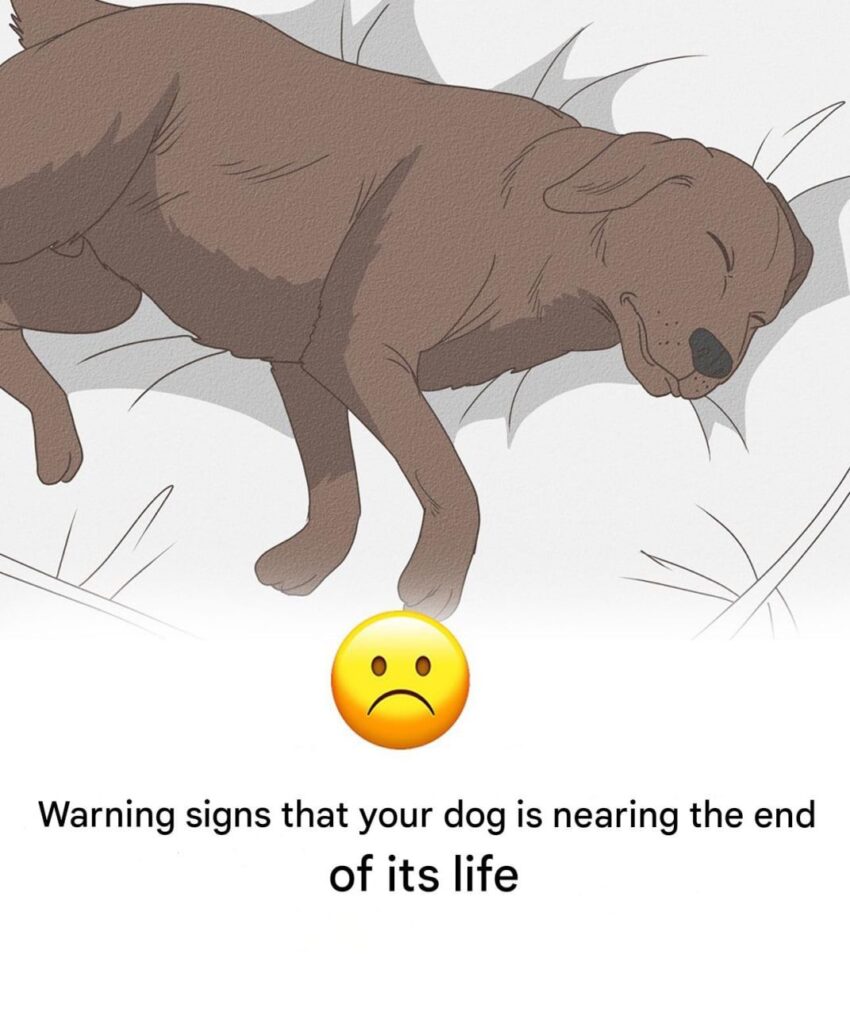
11 Signs Your Dog Is Nearing the End of His Life (And How to Provide Comfort, Dignity, and Love in Their Final Days)
Learn 11 compassionate signs your dog may be nearing the end of life, plus guidance on comfort care, emotional support, and what to expect.
If you’ve ever shared your life with a dog, you already know this truth: they don’t just live in your home—they live in your heart.
So when something starts to feel “off,” it’s not just concerning. It’s emotional. Heavy. Sometimes confusing. You find yourself watching closely, wondering if your aging companion is simply slowing down… or if something deeper is happening.
In the United States alone, millions of pet owners face this difficult stage each year. According to veterinary professionals, most dogs begin to show noticeable end-of-life changes between ages 7 and 15 depending on breed size and health history. But what matters most isn’t the number—it’s the pattern of changes over time.
This guide is written to help you understand those changes with clarity, compassion, and grounded realism. No fear tactics. No dramatic language. Just honest, experience-based insight to help you make informed, loving decisions for your dog.
Because when the time comes, what your dog needs most is not panic—it’s presence.
Understanding End-of-Life Changes in Dogs
Before diving into the signs, it’s important to understand something veterinarians consistently emphasize:
Aging is not a disease—but it often brings multiple overlapping conditions.
Dogs nearing the end of life may experience a combination of:
- Organ decline
- Cognitive changes (similar to dementia)
- Chronic pain (arthritis, joint issues)
- Reduced appetite and metabolism
- Lower energy levels
These changes are usually gradual, not sudden. That’s why many owners miss early signs—they blend into “normal aging” until they become more pronounced.
11 Signs Your Dog May Be Nearing the End of Life
1. Significant Loss of Appetite or Refusing Food
One of the most noticeable shifts is when a once-food-loving dog starts eating less—or stops altogether.
You may observe:
- Sniffing food but walking away
- Eating only soft or “favorite” foods
- Drinking less water
- Weight loss over time
In end-of-life stages, the body naturally reduces its need for energy. However, appetite loss can also signal discomfort, nausea, or organ decline.
When to pay close attention:
If your dog refuses food for more than 24–48 hours consistently.
2. Extreme Fatigue and Extended Sleeping
Older dogs naturally slow down, but near the end of life, fatigue becomes more profound.
You might notice:
- Sleeping most of the day
- Difficulty waking up
- Lack of interest in surroundings
- Minimal response to stimulation
Even short walks may feel exhausting.
This isn’t laziness—it’s the body conserving energy.
3. Difficulty Standing, Walking, or Loss of Coordination
Mobility changes are one of the clearest indicators.
Signs include:
- Slipping or stumbling
- Difficulty standing after lying down
- Weak hind legs
- Reluctance to climb stairs or jump
In the United States, veterinarians often see this in dogs with advanced arthritis or neurological decline.
Important note: Sudden collapse or severe weakness should always be evaluated urgently.
4. Withdrawal from Family Interaction
Dogs are social creatures. When they begin to isolate themselves, it often signals a deeper internal change.
You may notice:
- Avoiding touch or affection
- Hiding in quiet spaces
- Less excitement when you come home
- Reduced interest in play
Some dogs may still seek comfort, while others prefer solitude. Both are natural responses.
5. Changes in Breathing Patterns
Breathing changes can be subtle but important.
Watch for:
- Shallow breathing
- Long pauses between breaths during sleep
- Labored or heavy breathing
- Irregular rhythm
These changes may indicate heart or lung decline, common in senior dogs.
6. Loss of Bladder or Bowel Control
Accidents indoors may increase even in well-trained dogs.
This can happen due to:
- Weak muscles
- Cognitive decline
- Reduced awareness
- Physical inability to hold it
It is not behavioral—it is biological.
7. Confusion or Disorientation (Canine Cognitive Dysfunction)
Some dogs experience symptoms similar to dementia.
Signs include:
- Staring at walls
- Getting stuck in corners
- Not recognizing familiar people
- Nighttime restlessness
- Repetitive behaviors
This condition is more common in dogs over 10 years old.
8. Noticeable Weight Loss and Muscle Wasting
Even if eating hasn’t completely stopped, the body may not process nutrients efficiently.
You may see:
- Prominent ribs or spine
- Loss of muscle in legs
- A “hollow” appearance
This is often a sign of systemic decline.
9. Decreased Interest in Surroundings
Things that once excited your dog may no longer matter:
- Toys untouched
- No reaction to doorbells
- Lack of curiosity on walks
- Reduced sensory engagement
This is often one of the most emotionally difficult signs for owners.
10. Temperature Sensitivity and Seeking Isolation
Dogs nearing the end may seek unusual comfort positions:
- Lying in cool tile or hidden corners
- Avoiding human contact
- Curling into tight, protective positions
They may also struggle to regulate body temperature.
11. Visible Pain or Restlessness
Pain does not always look dramatic in dogs. It can be subtle.
Watch for:
- Whining or quiet vocalization
- Restless shifting
- Difficulty finding a comfortable position
- Excessive panting at rest
Veterinarians in the U.S. often recommend pain management or palliative care at this stage.
What These Signs Do NOT Mean
It’s important not to jump to conclusions based on one symptom alone.
Many of these signs can also appear with:
- Treatable infections
- Medication side effects
- Temporary illness
- Recoverable conditions
The key is pattern recognition over time, not isolated events.
When to Contact a Veterinarian (Urgent Guidance)
You should seek veterinary advice if:
- Your dog refuses food for more than 48 hours
- Breathing becomes difficult or strained
- Pain seems uncontrolled
- Collapse or inability to stand occurs
- Sudden drastic behavior changes happen
In the United States, many veterinary clinics also offer hospice or end-of-life consultation services to help guide families through these decisions.
How to Comfort a Dog in Their Final Stage
If your dog is nearing the end, comfort becomes the priority—not cure.
Practical ways to help:
- Keep them in a quiet, familiar environment
- Offer soft bedding and easy access to water
- Provide gentle reassurance through touch or presence
- Offer small, frequent meals if they still eat
- Maintain a calm household environment
Emotional support matters too:
Dogs remain sensitive to your tone and energy. Calm presence often brings more comfort than anything else.
Common Mistakes Dog Owners Make
1. Waiting too long to seek help
Early veterinary guidance can improve comfort significantly.
2. Over-interpreting one symptom
Not every change means end-of-life is immediate.
3. Ignoring pain signs
Dogs often hide pain until it becomes severe.
4. Emotional denial
Understandably common, but it can delay comfort care decisions.
Expert Insight: What Veterinarians Want Owners to Know
Veterinarians across the U.S. emphasize one consistent message:
“Quality of life matters more than quantity of time.”
Many recommend using a simple quality-of-life scale considering:
- Appetite
- Mobility
- Hydration
- Happiness
- Pain level
This helps families make compassionate, informed decisions.
A Real-World Scenario
Imagine an 13-year-old Labrador in a suburban American home.
He still greets his owner, but slowly. He eats less, sleeps more, and avoids stairs. Some days he seems bright; others, distant.
After a vet visit, the family learns he is experiencing advanced arthritis and mild cognitive decline. With pain management, home adjustments, and supportive care, he enjoys several more peaceful months surrounded by family.
This is often the reality: not a sudden ending, but a gradual transition that can still hold meaningful moments.
The Emotional Reality No One Talks About
Recognizing these signs is not just a medical process—it’s an emotional one.
You may feel:
- Guilt (“Did I miss something?”)
- Confusion (“Is it time?”)
- Sadness before anything has happened
- Deep attachment making decisions harder
These feelings are normal. They reflect the bond you’ve built, not a lack of clarity.
FAQs
1. How do I know if my dog is dying or just aging?
Look at patterns over time, not single symptoms. Multiple declining functions together are more significant.
2. How long can a dog live after showing these signs?
It varies widely—from days to months—depending on health and condition.
3. Should I still walk my senior dog?
Yes, but keep walks short, slow, and comfortable.
4. Is loss of appetite always a bad sign?
Not always, but prolonged refusal of food should be evaluated.
5. Do dogs understand when they are dying?
They may not understand death, but they often sense physical decline.
6. Should I consider hospice care for my dog?
Yes, many U.S. vets offer palliative care focused on comfort and dignity.
7. What’s the kindest thing I can do?
Keep them comfortable, pain-free, and close to you.
8. Is it selfish to keep my dog alive longer?
Not necessarily—but quality of life should guide decisions.
9. When should euthanasia be considered?
When suffering outweighs comfort, as advised by a veterinarian.
10. How do I cope afterward?
Grief support groups, memorial rituals, and talking about your pet can help.
Action Checklist Summary
- Observe changes in appetite, mobility, and behavior
- Track symptoms over time, not single events
- Consult a veterinarian early
- Prioritize comfort and pain management
- Create a calm, supportive environment
- Focus on quality of life decisions
- Spend intentional time together
Conclusion: Love Is What They Remember Most
A dog’s life is measured not in years, but in loyalty, trust, and unconditional love. When they near the end, they don’t need perfection—they need presence.
The signs you’ve learned here are not meant to cause fear. They are meant to bring clarity during one of the most emotional stages of pet ownership.
Because even in decline, your dog still knows your voice. Still feels your touch. Still finds comfort in your presence.
And in those final moments, that is everything.
Recognizing the signs your dog may be nearing the end of life allows you to shift from uncertainty to compassionate action. With awareness, veterinary guidance, and emotional presence, you can ensure your dog’s final chapter is filled with dignity, comfort, and love.
If this helped you, consider sharing it with other pet owners or leaving a comment about your experience—your story may help someone else facing the same journey.