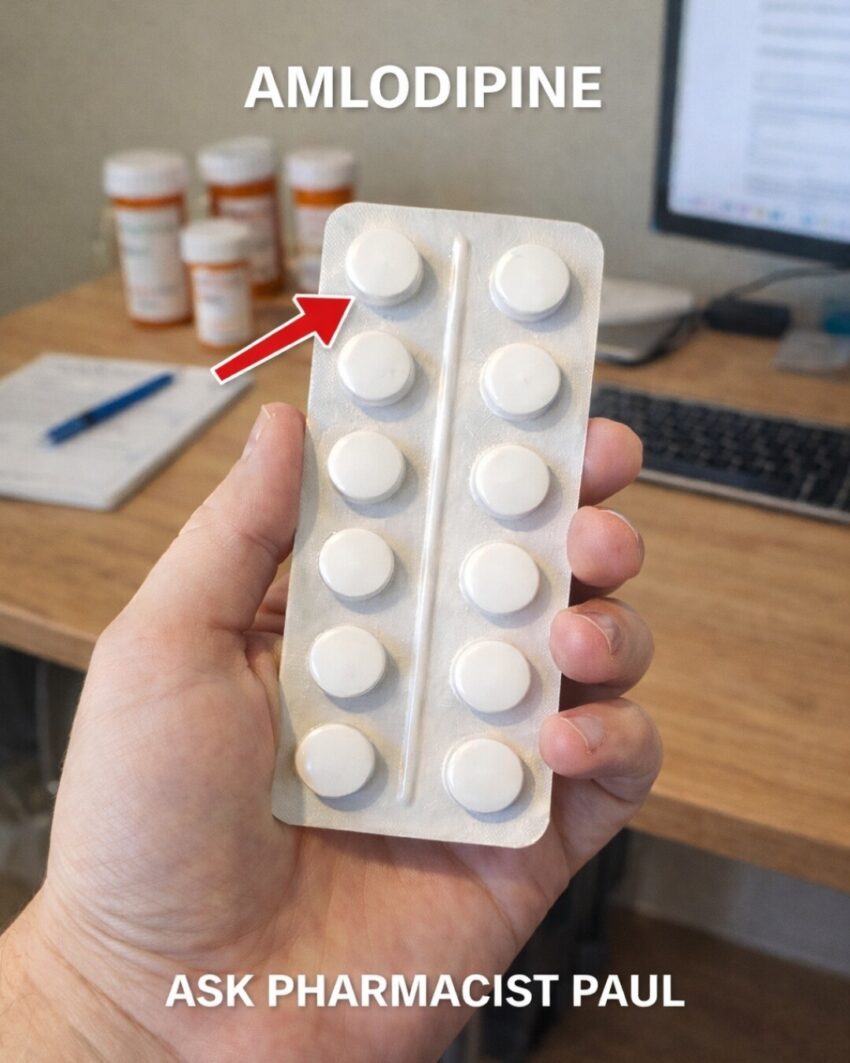
8 Habits You Should Stop This Year If You Are Taking Amlodipine (To Protect Your Heart and Blood Pressure Control)
Taking amlodipine for blood pressure? Avoid these 8 common habits that may reduce its effectiveness or worsen side effects.
If you’ve been prescribed amlodipine, you’re likely managing high blood pressure—a condition that requires consistency, awareness, and small daily decisions that add up over time.
Amlodipine is widely used and effective, but here’s something many people don’t realize:
Your daily habits can either support the medication—or quietly work against it.
It’s not about fear or restriction. It’s about making sure the treatment you’re already taking actually works as intended.
Let’s look at the habits that can interfere with blood pressure control and what you should do instead.
What Is Amlodipine and How Does It Work?
Amlodipine is a calcium channel blocker used to relax blood vessels and improve blood flow.
It is commonly prescribed for:
- High blood pressure
- Chest pain (angina)
It helps reduce strain on the heart and lowers the risk of complications such as stroke and heart attack.
1. Ignoring Excess Salt in Your Diet
One of the biggest mistakes is continuing a high-sodium diet.
Too much salt can:
- Increase blood pressure
- Counteract medication effects
- Cause fluid retention
Common sources include:
- Packaged snacks
- Fast food
- Processed meats
Even if you’re on medication, salt control still matters.
2. Drinking Excess Alcohol
Alcohol can interfere with blood pressure regulation and may increase side effects like dizziness.
Risks include:
- Fluctuating blood pressure
- Reduced medication effectiveness
- Increased heart strain
Organizations like American Heart Association recommend limiting alcohol intake for people managing hypertension.
3. Sitting for Long Periods Without Movement
A sedentary lifestyle can worsen circulation and blood pressure control.
Prolonged sitting may lead to:
- Poor blood flow
- Weight gain
- Increased cardiovascular risk
Even light movement every 30–60 minutes can help.
4. Skipping Medication or Changing Dosage on Your Own
This is one of the most dangerous habits.
Amlodipine works best when taken consistently.
Skipping doses can lead to:
- Blood pressure spikes
- Increased risk of complications
- Unstable heart workload
Never adjust dosage without medical advice.
5. Overusing Caffeine
Excess caffeine may temporarily raise blood pressure in some people.
Sources include:
- Coffee
- Energy drinks
- Strong tea
While moderate intake is often fine, excessive use can reduce blood pressure stability.
6. Ignoring Weight Management
Excess body weight increases strain on the heart and blood vessels.
It can:
- Reduce medication effectiveness
- Increase blood pressure variability
- Raise cardiovascular risk
Even modest weight reduction can improve outcomes significantly.
7. Smoking or Exposure to Tobacco Smoke
Smoking damages blood vessels and narrows arteries.
This directly works against the purpose of amlodipine.
Risks include:
- Increased blood pressure
- Reduced oxygen delivery
- Higher risk of heart disease
Quitting smoking is one of the most impactful lifestyle changes for heart health.
8. High Stress With No Management Strategy
Chronic stress affects blood pressure regulation through hormone imbalance.
It may cause:
- Temporary spikes in blood pressure
- Poor sleep quality
- Increased heart strain
Stress management techniques can include:
- Walking
- Deep breathing
- Meditation
- Social interaction
Why These Habits Matter More When You’re on Amlodipine
Amlodipine helps control blood pressure, but it doesn’t replace healthy lifestyle choices.
Think of it this way:
- Medication = support system
- Habits = foundation
Both need to work together for best results.
Real-Life Scenario
A 62-year-old patient taking amlodipine still struggles with high readings.
After reviewing habits, the main issues were:
- High-sodium diet
- Sedentary routine
- Frequent caffeine intake
After adjusting lifestyle habits (without changing medication), blood pressure stabilized significantly over time.
Pros and Cons of Lifestyle Changes with Medication
Pros
- Better blood pressure control
- Reduced medication side effects
- Improved heart health
- Increased energy levels
Cons
- Requires consistency
- Lifestyle changes take time
- Habit adjustment can be challenging
Common Mistakes People Make
- Thinking medication alone is enough
- Stopping exercise after starting treatment
- Ignoring diet changes
- Not monitoring blood pressure regularly
Expert Insight
Medical guidelines emphasize a combined approach:
- Medication for control
- Lifestyle for long-term stability
Neither works optimally alone.
FAQs (People Also Ask Style)
1. Can I drink coffee while taking amlodipine?
Yes, but moderation is important.
2. Is amlodipine enough without lifestyle changes?
It helps, but lifestyle changes improve results significantly.
3. Can I stop taking it if my blood pressure improves?
Only under medical supervision.
4. Does salt really affect blood pressure that much?
Yes, especially in sensitive individuals.
5. Can exercise help with amlodipine effectiveness?
Yes, it supports overall cardiovascular health.
6. Is dizziness normal with amlodipine?
It can occur, especially when starting treatment.
7. Can alcohol interfere with blood pressure medication?
Yes, it may reduce effectiveness and increase side effects.
8. Should I monitor my blood pressure at home?
Yes, it helps track progress and stability.
9. Does stress affect blood pressure even on medication?
Yes, significantly.
10. What is the most important habit to change?
Reducing sodium intake is one of the most impactful.
Action Checklist
- ✔ Reduce salt intake
- ✔ Stay physically active
- ✔ Take medication consistently
- ✔ Limit alcohol and caffeine
- ✔ Manage stress daily
- ✔ Monitor blood pressure regularly
Amlodipine is an effective medication—but it works best when supported by daily habits that protect your heart rather than strain it.
Small choices like diet, movement, and stress management can make a real difference in how well your blood pressure stays controlled.
Medication helps manage blood pressure.
Healthy habits help stabilize it.
Together, they create the strongest protection for your heart.